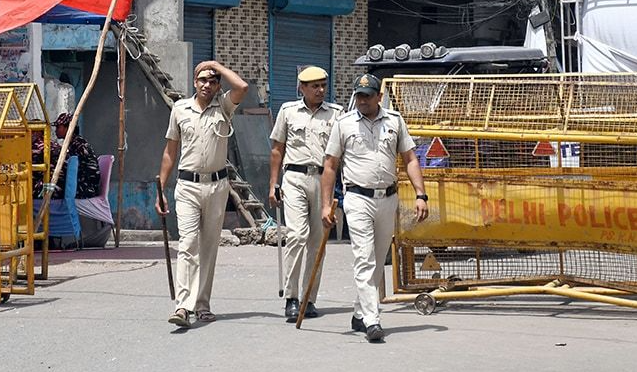
A violent clash between two groups in the Rohini area of northwest Delhi on Wednesday evening allegedly left two minors stabbed to death and another injured. The incident seems to be related to a past murder case and an old rivalry, making it a deeply shocking case of increasing juvenile violence in the capital, police said.
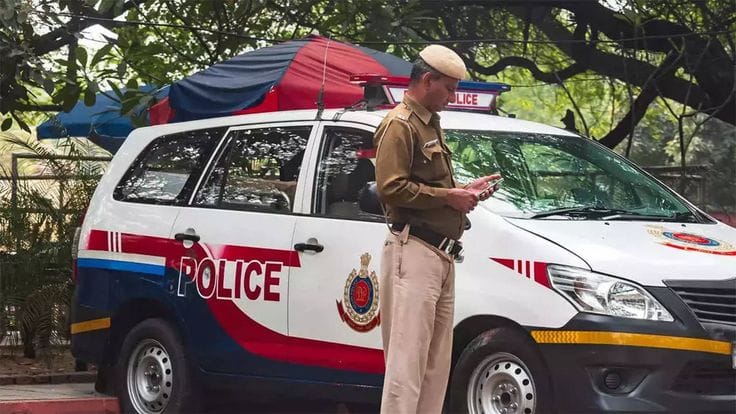
Police investigate the crime scene in Rohini, Delhi, after two minors were killed and another injured in a violent clash linked to an old rivalry.
A shocking case of violence unfolded in Delhi’s Rohini area on Wednesday evening, where two minors were allegedly stabbed to death following a clash between two rival groups. The incident took place in Sector-20 Rohini and left another juvenile injured, prompting a major police response and a forensic examination of the crime scene.
According to police, the violence stemmed from an old rivalry connected to a previous murder case earlier this year. The sequence of events, as described by investigators, suggests that the confrontation escalated rapidly after a group of juveniles from Sultanpuri arrived in the area looking for another boy. What began as a search quickly turned into a deadly street clash, with a knife allegedly being used in the attack. Yeh incident kaafi alarming hai because it shows how quickly unresolved rivalry can turn into fatal violence, especially when minors are involved.
What Happened
Police said three juveniles from Sultanpuri had gone to Sector-20 Rohini to trace another boy whom they suspected of sheltering people linked to the murder of one of their associates earlier this year. When they could not locate him, they allegedly got into an altercation with members of a local family in the area.
During the dispute, the youths reportedly assaulted a woman and her son, causing injuries to both. As the three boys allegedly tried to flee, they were chased by the injured woman’s son and several others from the locality. In the course of this chase, a knife reportedly slipped from the hand of one of the fleeing boys. NDTV has covered the full story.
Police said a 14-year-old boy from the rival side allegedly picked up the knife and attacked two of the minors. One was stabbed in the neck, while the other suffered injuries to the abdomen and chest. Both collapsed on the road with severe wounds. Emergency personnel rushed them to a nearby hospital, but doctors declared both dead on arrival.
The third boy involved in the clash sustained injuries and is undergoing treatment. Police later apprehended one minor in connection with the case. A forensic team also visited the site and collected the knife allegedly used in the killings. CCTV footage from the area is being examined to piece together the exact sequence of events.
Why the Incident Escalated
This tragedy appears to have been triggered by a combination of old hostility, emotional retaliation, and a sudden street-level confrontation. When one group arrives looking for someone tied to a previous murder case, tensions are already high. Add to that a local family dispute, physical assault, and a chase through a crowded area, and the chance of violence rises sharply.
What makes this case even more troubling is the involvement of minors on both sides. In many such cases, adolescents are pulled into cycles of revenge that they may not fully understand. The presence of weapons makes the situation far more dangerous. According to police, the knife falling from one boy’s hand during the chase may have become the turning point that led to the fatal stabbing.
This kind of violence often does not happen in isolation. It grows out of a chain of grudges, group identity, and fear of retaliation. Once that cycle begins, it becomes very difficult to stop, especially in urban neighborhoods where disputes can turn into quick physical clashes. In simple words, yeh sirf ek argument nahi tha—it was a fast-moving chain reaction built on old enmity.
Police Response and Investigation
Police responded quickly after receiving information about the incident and took the two injured minors to the hospital. However, both were declared dead by doctors. Senior police officers and a forensic team then inspected the site and collected evidence, including the knife allegedly used in the attack.
Investigators have registered cross-cases on the basis of complaints from both sides. The charges include murder and attempt to murder. This suggests that police are treating the matter as a serious criminal case involving more than one possible aggressor and are not relying on a single version of the story. A minor has been apprehended so far, and further questioning is expected to clarify who exactly did what during the clash.
CCTV footage from the area will likely play a key role. In violent street incidents, video evidence often helps police confirm the movement of people, the order of events, and whether claims from either side are consistent with what actually happened. That is especially important here because the case involves conflicting narratives and multiple juveniles.
Background
Delhi has seen repeated concerns over juvenile involvement in violent crimes, especially cases linked to rival groups, neighborhood disputes, and revenge attacks. In densely populated areas, conflicts often spill from one family or one locality into another, and minor disagreements can escalate through group loyalty and retaliatory thinking.
The Rohini incident also points to a broader urban reality. In cities like Delhi, young people sometimes become involved in patterns of violence that begin with personal disputes but grow into group rivalries. Once someone is killed or badly hurt, the pressure to “settle scores” can build quickly. This creates an environment where children and teenagers are drawn into adult-sized conflicts.
Police suspect that the violence in Rohini was part of a continuing rivalry linked to an earlier murder case. That background is important because it suggests the attack was not random. Instead, it appears to be the latest chapter in an ongoing local feud. Such cases often become more dangerous because each side believes it is responding to a prior wrong, which only deepens the cycle.
Timeline
Earlier this year: A murder linked to the rivalry reportedly takes place.
Wednesday evening: Three juveniles from Sultanpuri arrive in Rohini looking for another boy.
Shortly after: They allegedly clash with a local family and injure a woman and her son.
During the chase: A knife reportedly falls from one of the boys.
Moments later: A 14-year-old from the rival group allegedly uses the knife to stab two minors.
After the attack: Both victims are declared dead at the hospital.
Following the incident: Police register cross-cases, detain one minor, and begin forensic and CCTV review.
Also Read: 3 Cops Injured as Stones Are Thrown During Mumbai Anti-Encroachment Drive in Bandra East
Why This Matters
This matters because it is not just another crime headline. It is a case involving minors, revenge violence, and the failure of conflict to remain contained. When children and teenagers are drawn into deadly disputes, it points to deeper problems in social supervision, local conflict resolution, and access to weapons.
It also matters for public safety in Delhi. People want to know that neighborhood disputes will not suddenly escalate into killings on the street. Cases like this shake confidence because they show how fast violence can spread in a residential area. For families, especially parents of teenagers, the story is deeply unsettling. Yeh issue kaafi important hai because it shows how fragile urban peace can become when old grudges remain unresolved.
India Angle
For Indian readers, this incident is significant because juvenile crime, street violence, and revenge culture are all recurring concerns across cities. Delhi often becomes the center of such stories because of its population density, sharp social contrasts, and visible youth conflict patterns. But the problem is not limited to the capital alone.
This case also raises a broader India-wide question about how young people are drawn into violent circles. In many neighborhoods, local rivalries, friendships, and family disputes can become a pipeline to crime if not addressed early. Community leaders, schools, and families all have a role to play. In Hinglish, yeh sirf police ka issue nahi hai—yeh family, society, aur youth behaviour ka bhi matter hai.
Analysis
My view is that the biggest concern here is the age of the people involved. When minors are being arrested, injured, or killed in a revenge incident, it suggests that violent conflicts are being passed down into younger age groups. That is disturbing because teenagers are often impulsive, easily influenced, and less capable of de-escalation. It also means that what may begin as an adult feud is spilling into the lives of children. Police action is necessary, of course, but the real challenge is preventing such cycles from forming in the first place.
What’s Next?
The next step will likely involve a deeper forensic analysis, statements from witnesses, examination of CCTV footage, and questioning of the apprehended minor. Police will also try to establish the exact role played by each person in the clash and whether the attack was pre-planned or escalated spontaneously.
If the investigation confirms that the stabbing was linked to the earlier murder rivalry, more arrests could follow. Since cross-cases have already been filed, both groups may come under scrutiny. The legal outcome will depend heavily on evidence, especially video footage and witness statements. Beyond the criminal case, the incident may also push local authorities and community stakeholders to pay closer attention to youth disputes and neighborhood tensions before they turn lethal.
Conclusion
The killing of two minors in Rohini is a heartbreaking and disturbing reminder of how quickly old rivalries can explode into deadly violence. What began as a search for another boy reportedly turned into a street clash, injuries to a woman and her son, a chase, and finally a double stabbing.
Police are now investigating the case from both sides, with cross-cases filed and one minor apprehended. But beyond the legal process, the bigger lesson is clear: unresolved grudges, easy access to weapons, and youth involvement can create a dangerous mix. For Delhi and for India, this is a serious wake-up call about the cost of violent retaliation.
Written By A. Jack