Delhi’s new prison death compensation scheme offers Rs 7.5 lakh for deaths due to clashes, torture or assault by authorities, and Rs 5 lakh for negligence or suicide, but excludes natural deaths, escape attempts and calamity-related incidents.

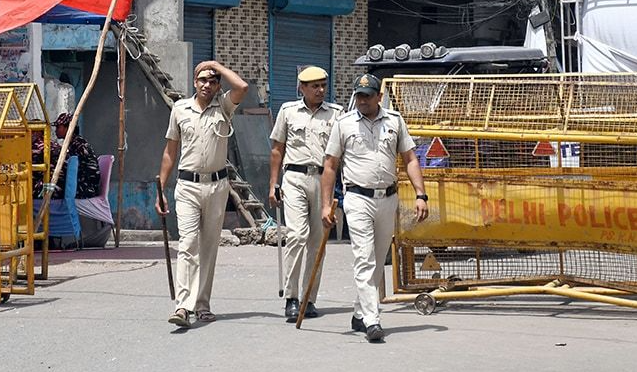
This Image is only for illustrations.
In a significant step toward prisoner rights and administrative accountability, the Delhi government has announced a compensation scheme for families of prisoners who die unnaturally in its jails. Under the newly notified “Scheme for Payment of Compensation on Account of Death of Prisoners in Delhi Prison, 2025″, eligible families can receive between Rs 5 lakh and Rs 7.5 lakh, depending on the nature of the death.
Chief Minister Rekha Gupta said the scheme, notified in line with NHRC guidelines, will provide timely relief to affected families in specified cases and strengthen administrative accountability. The Home Department notification makes it clear that the scheme will apply only to cases of unnatural death in any Delhi prison on or after the date of notification, excluding natural deaths, deaths due to illness, escape attempts and calamity-related incidents.
What the scheme covers
Under the notification, Rs 7.5 lakh will be paid to the family of a prisoner if the death took place due to clashes between inmates or alleged torture or assault by prison authorities. This higher compensation bracket is intended for cases where the state’s direct action or failure to control violence leads to a prisoner’s death.
A compensation of Rs 5 lakh has been fixed for cases involving:
Negligence by prison authorities or staff
Negligence by medical or paramedical personnel
Suicide by a prisoner
These categories recognise that even when there is no direct assault, systemic failures in duty of care can contribute to unnatural deaths. By setting a fixed compensation amount, the government aims to reduce litigation delays and ensure that families receive relief without prolonged legal battles. This story was also covered by The IndiaToday.
Yeh issue kaafi important hai because it creates a clear financial and procedural framework for cases that were often mired in ambiguity and delay.
What is excluded from the scheme?
The Home Department notification is explicit about what is not covered. No compensation will be paid in cases of:
Natural death
Death due to illness
Deaths that take place while a prisoner is escaping from prison or from lawful custody
Deaths caused by disasters or calamities
By excluding these categories, the government is drawing a clear line between deaths that are potentially attributable to administrative failure and those that are not. Natural deaths and illnesses are considered part of the normal risk profile of incarceration, while escape attempts and calamities are treated as exceptional circumstances outside the scheme’s scope.
Review and accountability process
The scheme also sets out a detailed process for review and accountability. In every such case, the jail superintendent will have to submit the following documents to the Director General of Prisons, Delhi:
Magisterial inquiry report
Post-mortem report
Final cause of death
The prisoner’s medical history
Details of treatment provided before death
The cases will then be reviewed by a committee headed by the Director General of Prisons, with the Assistant Inspector General of Prisons, the Resident Medical Officer, the Deputy Controller of Accounts, and the Law Officer as members. This multi-member committee is designed to ensure that compensation decisions are not taken unilaterally but are based on verified evidence and medical findings.
Overall, the scheme sets out compensation of Rs 5 lakh to Rs 7.5 lakh for specified cases of unnatural deaths in Delhi prisons, along with a defined process for review.
Background and context
Prisoner deaths in India have long been a sensitive human rights issue. The NHRC has issued guidelines over the years requiring states to report custodial deaths within 24 hours and to conduct magisterial enquiries in such cases. However, compensation frameworks have varied widely across states, with some having no formal scheme at all.
Delhi’s new notification brings the capital in line with NHRC expectations by creating a standardised compensation mechanism. It also responds to past controversies where families of deceased prisoners alleged cover-ups, delayed enquiries and inadequate relief.
The scheme’s focus on unnatural deaths—rather than all deaths—reflects a balance between accountability and fiscal prudence. Natural deaths due to age or chronic illness are not seen as requiring state compensation, while deaths linked to violence, negligence or suicide are treated as preventable and thus compensable.
Timeline
Past years: NHRC issues guidelines on custodial deaths; states adopt varying compensation practices.
2025: The Delhi government drafts “Scheme for Payment of Compensation on Account of Death of Prisoners in Delhi Prison, 2025″.
Now: Scheme notified; applies to unnatural deaths in Delhi prisons on or after the notification date.
Going forward: Jail superintendents must submit inquiry, post-mortem and medical records; the DG Prisons-led committee reviews cases and approves compensation.
Also Read: After PM’s Forgiveness, Delhi Police Drops Case Against Minor Who Abused Him
Why This Matters
This matters because it formalises the state’s responsibility for unnatural prisoner deaths. Without a clear scheme, families often had to rely on court orders or ad hoc ex-gratia payments, which could take years. Now, there is a defined path from incident to compensation.
It also matters for prison administration. By linking compensation to specific categories—torture, assault, negligence, suicide—the scheme creates an incentive for jails to improve oversight, medical care and conflict management. In simple Hinglish, jab compensation ka clear rule hota hai, toh administration zyada careful hoti hai.
For human rights advocates, the scheme is a step toward transparency. It does not solve all issues—such as independent investigations or criminal prosecution of errant staff—but it does create a baseline for relief and review.
India angle
For Indian readers, this story is directly relevant because custodial deaths are a national concern. From Delhi to Tamil Nadu to Uttar Pradesh, incidents of prisoners dying in custody due to violence, neglect or suicide are reported regularly.
The India angle also includes the legal dimension. The NHRC’s guidelines apply across states, but implementation depends on state governments. Delhi’s scheme could become a reference point for other states looking to standardise their own compensation frameworks.
There is also the social dimension. Prisoners are often from marginalised communities, and their families may lack the resources to fight prolonged legal battles. A clear compensation scheme reduces that burden and signals that the state recognises its duty of care, even toward those deprived of liberty.
Analysis
My opinion is that the scheme is a positive step, but its impact will depend on implementation. If the review committee is truly independent and thorough, it can build trust. If it becomes a rubber stamp, the scheme will lose credibility.
I also think the exclusion of natural deaths and illness is logical from a fiscal perspective, but it may draw criticism if families perceive that some “grey area” deaths are being categorised as natural to avoid compensation. Clear medical protocols and transparent reporting will be essential to prevent such perceptions.
What Next
The immediate next step will be the operationalisation of the scheme. Jail superintendents will need to be trained on the documentation requirements, and the DG Prisons’ committee will need to establish standard operating procedures for reviewing cases.
Families of prisoners who die in unnatural circumstances after the notification date will be able to claim compensation under the scheme. Their applications will be processed based on the inquiry reports, post-mortem findings and medical records submitted by the jail.
Longer term, the scheme’s data could be used to identify patterns—such as frequent suicides, recurring negligence or specific facilities with higher death rates. That could inform broader prison reforms, including better mental health support, staff training and infrastructure upgrades.
Conclusion
Delhi’s new compensation scheme for unnatural prisoner deaths marks a significant step toward formalising state accountability and providing timely relief to affected families. With compensation ranging from Rs 5 lakh to Rs 7.5 lakh depending on the circumstances, the scheme creates a clear framework for cases involving violence, negligence and suicide in prisons.
While it excludes natural deaths, escape-related incidents and calamities, the notification sets a strong precedent for how custodial deaths should be handled. The real test will be in the implementation: whether enquiries are thorough, whether the committee acts independently and whether the scheme leads to tangible improvements in prison conditions and care.
Written By A. Jack