The FIR against the minor will not be pursued after PM Modi’s appeal for forgiveness and the girl’s apology video, in which she claimed she was influenced by others at the protest site and expressed deep shame over her remarks.
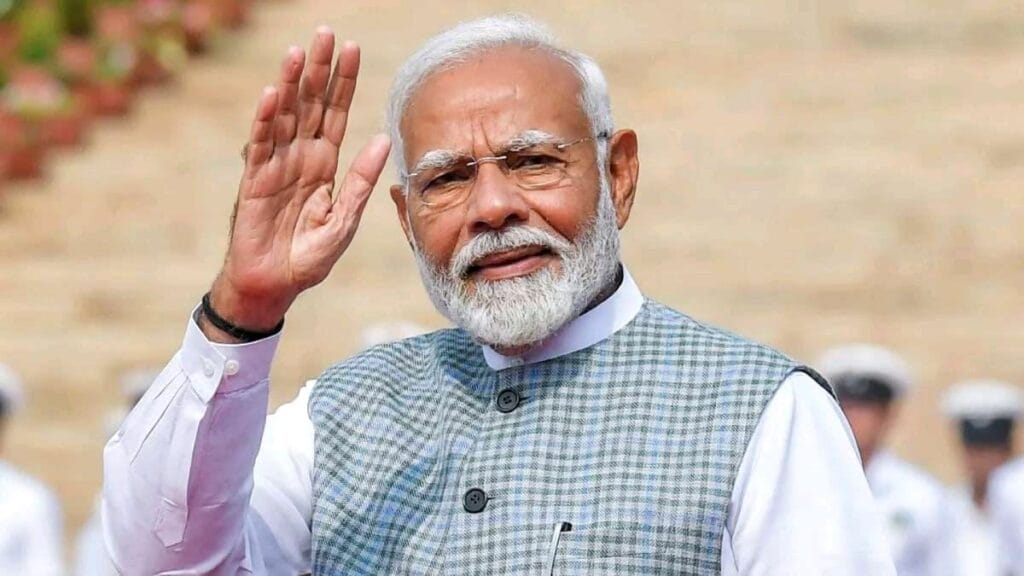
PM Narendra Modi led to an FIR that has now been dropped after the Prime Minister’s forgiveness appeal. The image is only for illustrations.
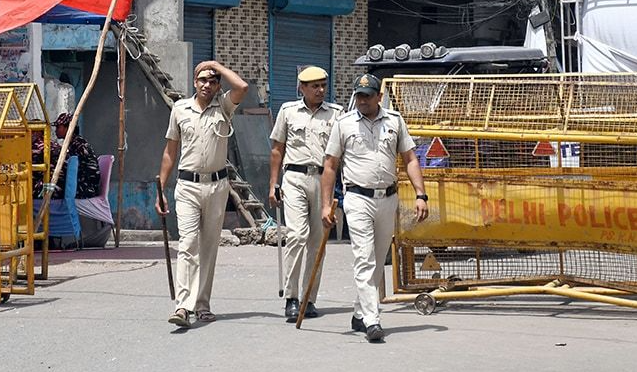
Delhi Police will not go ahead with the FIR filed against the minor girl seen in a viral video using expletives against Prime Minister Narendra Modi during the Cockroach Janta Party’s protest at Delhi’s Jantar Mantar last month. The decision comes days after a Zero FIR was lodged by Noida Police and soon after the girl released an apology video, claiming she was 15 and that she had made the remarks under the influence of others at the protest site.
The case gained national attention after PM Modi, in an Instagram Reel, said he had forgiven the “misguided children” who had abused him and requested society to do the same. The girl’s mother also appealed to the Prime Minister to ask the authorities to withdraw the FIR, thanking him for showing “greatness” and giving her daughter a “new birth”.
Why the case was dropped
The decision to drop the case rests on a combination of factors: the minor’s age, her public apology, the Prime Minister’s forgiveness and the broader social and legal implications of pursuing a child in such a context.
According to the girl’s apology video: “I am only 15 years old. Whatever I did was not worthy of forgiveness. I have said a lot of bad things. This is my first and last mistake. I apologise to the entire country. I am so ashamed. I can’t even look at myself. Please forgive me.” Her statement positioned the incident as a one-time lapse influenced by the protest environment, rather than a premeditated act. This story was also covered by The IndiaToday.
PM Modi’s intervention further shifted the narrative. In an Instagram Reel, he added, “Punishing them and dragging them through courts and harassing them will not change the circumstances. I want to forgive them. I request society also to accept what I am saying.” His appeal framed the issue as one of compassion and reform, rather than punishment.
Yeh issue kaafi important hai because it sits at the intersection of free speech, juvenile justice and political sensitivity.
How the incident unfolded
The incident originated during a protest by the Cockroach Janta Party at Jantar Mantar, a designated protest site in central Delhi. The girl was recorded using expletives against the Prime Minister, and the video quickly went viral on social media.
Soon after, a Zero FIR was lodged by Noida Police, allowing the case to be registered irrespective of jurisdiction. The move triggered a debate over whether a minor should face legal action for such remarks and whether the FIR was proportionate to the offence.
In response, the girl released her apology video, claiming she was 15 and had been influenced by others at the protest site. Her mother then publicly thanked PM Modi for forgiving her daughter, saying, “PM Modi has shown greatness by forgiving a daughter of the country who had used such dirty words. I thank him with folded hands. Today is her new birth. The prime minister has given her jeevandaan (a new life).”
Legal and procedural context
Cases involving alleged abuse or defamation of political leaders are not new in India. In recent years, there have been multiple instances where individuals have faced FIRs, arrests or legal action over social media posts or public statements critical of the Prime Minister, chief ministers or other high-ranking officials.
However, when the accused is a minor, the legal framework shifts. The Juvenile Justice (Care and Protection of Children) Act prioritises rehabilitation over punishment for children in conflict with law. Even if an offence is alleged, the focus is on counselling, reform and reintegration rather than criminal prosecution.
In this case, the combination of the girl’s age, her apology and the Prime Minister’s forgiveness likely influenced the police decision to not pursue the FIR. Continuing the case could have invited criticism for being overly harsh on a child, especially after the PM’s public appeal for leniency.
Timeline
Last month: Cockroach Janta Party protest at Jantar Mantar; minor girl’s video abusing PM Modi goes viral.
Days later: Zero FIR lodged by Noida Police over objectionable remarks on PM Modi.
Soon after: Girl releases apology video, claims she is 15 and was influenced by others, and expresses deep shame.
Following days: PM Modi says he has forgiven the “misguided children” and appeals to society to do the same.
Now: Delhi Police decides not to pursue the FIR against the minor; the case is effectively closed.
Why This Matters
This matters because it sets a precedent for how similar cases involving minors and political speech may be handled in future. By dropping the case after the PM’s forgiveness and the girl’s apology, authorities signal that rehabilitation and reform are preferred over punitive action in such contexts.
It also matters because it highlights the power of political leadership to shape legal and social outcomes. PM Modi’s public appeal for forgiveness effectively changed the trajectory of the case, moving it from a potential prosecution to a closed file.
For the girl and her family, the decision brings relief and a chance to move on without the stigma of a prolonged legal battle. In simple Hinglish, jab ek bachchi ki galti ko maafi mil jaati hai, toh uska future bach jaata hai.
India angle
For Indian readers, this story is directly relevant because it touches on free speech, juvenile justice and political sensitivity—three issues that frequently intersect in India’s public discourse. Social media has amplified both dissent and backlash, making it easier for videos to go viral and for cases to gain national attention.
The India angle also includes the legal dimension. Indian courts have been grappling with the balance between free speech and reasonable restrictions. While hate speech and incitement are not protected, mere criticism or emotional outbursts are supposed to be treated with caution, especially when minors are involved.
There is also the social dimension. In a polarised environment, every such incident becomes a flashpoint for broader debates about respect for leaders, the limits of protest and the treatment of children in the justice system.
Analysis
My opinion is that dropping the case is the right call in this specific context. The girl is a minor, she has apologised publicly and the highest office in the land has called for forgiveness. Pursuing the FIR would have served little rehabilitative purpose and could have been seen as vindictive.
I also think the PM’s messaging is strategically significant. By framing the issue as one of compassion, he positions himself as a mature leader who can rise above personal insults. That can resonate with moderate voters who value statesmanship over retribution.
What Next
The immediate next step is the formal closure of the FIR by Delhi Police. While the case will not be pursued, the records may still reflect that an FIR was registered and later not proceeded with, which could be relevant if similar incidents occur in future.
For the girl and her family, the focus will be on moving past the incident and avoiding further public attention. Counselling and support may be offered to help her reintegrate into school and social life without stigma.
Longer term, this case could be cited in debates over juvenile justice, free speech and the handling of politically sensitive cases involving minors. If similar incidents occur, authorities may refer to this outcome as a benchmark for leniency when apologies and forgiveness are involved.
Conclusion
Delhi Police’s decision to drop the FIR against the minor girl who abused PM Narendra Modi in a viral protest video marks the end of a high-profile case that sparked national debate over juvenile justice, free speech and political sensitivity. The move follows the girl’s public apology, her mother’s appeal and PM Modi’s forgiveness, which collectively shifted the narrative from punishment to reform.
For India, the incident is a reminder that how the state treats its youngest citizens in moments of lapse can define the kind of society it aspires to be. In this case, forgiveness has been chosen over prosecution, offering the girl a chance at a fresh start.
Written By A. Jack