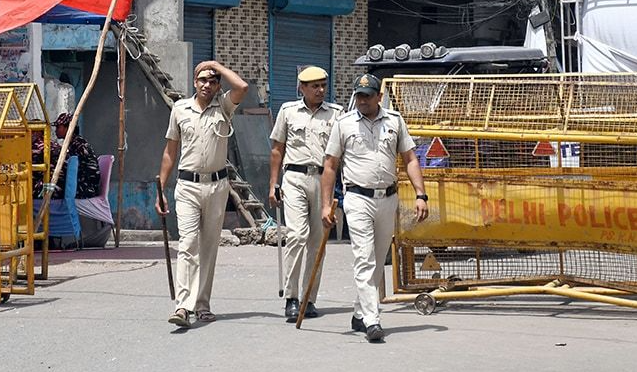
Taxi and auto unions in Delhi announced a three-day strike from May 21 to 23 against the rising fuel prices and demanded an immediate fare hike across Delhi-NCR. The unions say drivers are being squeezed by stagnant fares, rising operating costs and what they describe as unfair treatment by app-based cab companies.
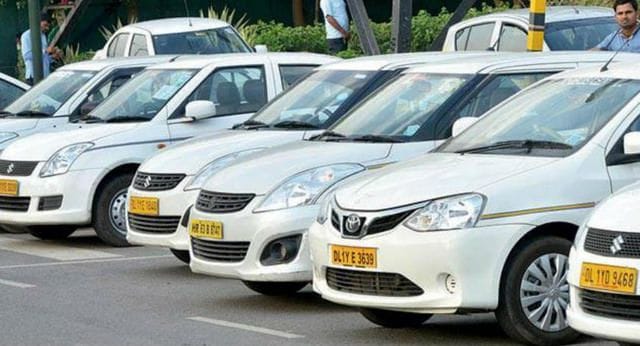
Delhi taxi and auto drivers prepare for a three-day strike as unions demand higher fares amid rising fuel prices and inflation.
Delhi Taxi Unions Strike
Delhi’s transport sector is bracing for disruption as commercial vehicle drivers’ unions have announced a three-day strike from Thursday, May 21 to Saturday, May 23, over fuel price hikes and stagnant taxi fares. The unions say the cost of running cabs and autos has risen sharply, but passenger fares in Delhi-NCR have remained unchanged for nearly 15 years.
The protest is being organized under the banner of the Chaalak Shakti Union along with other transport groups, and it comes just days after petrol and diesel prices were increased again. The unions have also alleged that app-based cab aggregators like Ola, Uber, and Rapido are operating in a way that harms drivers financially. Yeh issue kaafi important hai because it directly affects lakhs of commuters, daily wage drivers, and urban mobility in the capital.
What the Unions Are Demanding
The core demand of the protesting unions is simple: taxi and auto fares must be revised immediately. According to the unions, fuel prices have steadily gone up, but fares for commercial passenger vehicles in Delhi-NCR have not been updated for almost 15 years. They argue that this mismatch has created a severe financial burden for drivers who are already struggling with inflation. NDTV has covered the full story.
Anuj Kumar Rathore, vice president of the Chaalak Shakti Union, said that rising prices of CNG, petrol, and diesel are making it difficult for middle-class drivers to support their families. The union’s appeal has asked drivers not to operate vehicles on May 21, 22 and 23 as part of a coordinated “Chakka Jam” protest. The unions also say that increasing expenses such as maintenance, insurance, permits, and fitness certificates are eating further into driver earnings.
The message from the unions is clear: if fuel and running costs keep rising, fares cannot stay frozen forever. In simple words, driver ka kharcha badh raha hai, lekin earning wahi purani hai — aur yahi unka main protest point hai.
Why the Strike Is Happening Now
The timing of the strike is closely linked to the latest fuel price hike. Petrol and diesel prices were raised by an average of 90 paise per litre recently, adding fresh pressure on transport operators. In Delhi, petrol rose by 87 paise to Rs 98.64 per litre, while diesel increased by 91 paise to Rs 91.58 per litre. For commercial drivers, even a small increase matters because they consume fuel daily and operate on thin margins.
The unions have also pointed to what they describe as economic exploitation by app-based cab companies. According to their letter, firms like Ola, Uber, and Rapido are operating arbitrarily, which they claim leaves drivers with lower earnings and less control over their work. This grievance is not new, but the latest fuel hike has made the issue more urgent and visible.
What makes this strike noteworthy is that it is not only about fares. It is about the larger structure of urban transport economics, where drivers, especially owners of small commercial vehicles, often carry the burden of inflation while the fare system remains slow to respond.
Official Pressure on the Government
The All India Motor Transport Congress has also stepped into the matter. On Monday, it wrote to Delhi Lieutenant Governor Taranjit Singh Sandhu and Chief Minister Rekha Gupta, warning that if the government does not raise taxi fares and issue a notification within one or two weeks, the agitation will be expanded into a much larger protest.
That warning puts direct pressure on the Delhi government, which may now have to balance the demands of drivers against the inconvenience to commuters. Unions have also announced a protest at the Delhi Secretariat on May 23, which could further intensify the movement if no response is received.
This is not just a labor issue; it is also a governance issue. When a major transport group publicly threatens a bigger agitation, it signals that the frustration has moved beyond routine complaints. The unions seem to believe that only a formal policy intervention will solve the problem, not temporary assurances.
Background
Taxi and auto fare disputes in Delhi are not new. Commercial transport in the capital has long been caught between rising operating costs and slow fare revisions. While fuel prices, maintenance charges, and insurance costs keep rising, fare structures often lag behind. That gap is what the unions are highlighting now.
The situation has become more complicated because of app-based ride-hailing platforms. In the traditional taxi system, drivers often depend on regulated fares. But in app-based models, earnings can fluctuate based on commissions, surge pricing, incentives, and algorithmic decisions. Many drivers have repeatedly argued that this leaves them vulnerable, especially when fuel costs rise and demand remains unstable.
At the same time, commuters in Delhi often prefer lower or predictable fares, which makes fare hikes politically sensitive. Any revision can lead to public criticism if the increase is seen as too steep. But from the drivers’ point of view, unchanged fares over many years make survival harder with every inflation cycle. That is the tension at the heart of this strike.
Timeline
Recent days: Petrol and diesel prices rise again by about 90 paise per liter.
Monday: All India Motor Transport Congress writes to Delhi’s LG and Chief Minister.
May 21-23: Chaalak Shakti Union calls for a three-day strike.
May 23: Protest planned at Delhi Secretariat.
Next 1-2 weeks: Unions demand a government notification on fare revision.
Also Read: Fuel Prices Rise Again; Petrol and Diesel Costlier by Around 90 Paise
Why This Matters
This matters because transport is one of the most visible parts of daily life in Delhi. If taxis and autos stay off the roads, commuters will immediately feel the pressure. Office workers, students, hospital visitors, and airport travelers could all face delays and higher travel costs.
It also matters because driver income is directly linked to household stability. For thousands of families in Delhi-NCR, commercial driving is not just a job—it is the main source of their livelihood. When fares remain stuck while fuel and insurance costs rise, the pressure spreads from the driver to the entire family. Yeh problem sirf road par nahi, ghar ke budget tak pahunchti hai.
India Angle
For Indian readers, this strike reflects a familiar pattern seen in many cities across the country. Auto and taxi unions in Mumbai, Bengaluru, Kolkata, and other metros have often raised similar concerns about fuel inflation, fare gaps, and app-based competition. Delhi’s case is important because it may set a tone for transport protests in other urban centers too.
The issue also has a broader Indian angle because it highlights the strain on the informal and semi-formal workforce. Many drivers operate independently, own their vehicles or work on loans, and have limited protection against price shocks. In a country where mobility is tied to livelihood, this kind of strike quickly becomes a public issue. In Hinglish terms, yeh sirf driver vs. government ka mamla nahi hai—it is about everyday urban life and how expensive it’s becoming.
Analysis
My opinion is that the unions have chosen a very strategic moment to escalate. Fuel prices have just risen again, which makes their argument easier to understand and harder for authorities to ignore. At the same time, the government will likely be cautious about approving fare hikes too quickly because those could trigger public backlash. The most realistic outcome may be a negotiation phase rather than an immediate resolution. Still, the pressure is real. If the protest gains traction, commuters will feel the effect almost immediately, and that tends to speed up official response.
What’s Next?
The next step will depend on how quickly the Delhi government responds to the unions’ demands. If officials agree to meet the transport representatives or announce a fare review process, the strike could be softened or partially withdrawn. If not, the three-day protest may go ahead as planned and could affect large parts of the capital’s road transport network.
A protest at the Delhi Secretariat on May 23 may also draw more political attention to the issue. If the movement escalates, unions have already warned that it could turn into a much larger agitation. For commuters, the safest expectation is possible disruption from Thursday onward, especially during peak travel hours. For drivers, the next few days could decide whether this becomes a short protest or the start of a longer campaign for fare revision.
Conclusion
Delhi’s taxi and auto unions have sent a strong message: fuel prices, inflation, and fixed fares can no longer coexist without consequences. Their three-day strike from May 21 to 23 is a direct response to rising operating costs and what they see as years of unfair fare stagnation.
The protest is likely to create travel disruption in the capital, but it also reflects a deeper economic problem faced by thousands of drivers. Whether the government responds quickly or lets the pressure build will determine how far this movement goes. For now, the strike has put the spotlight back on one of Delhi’s most persistent urban transport disputes.
Written By A. Jack