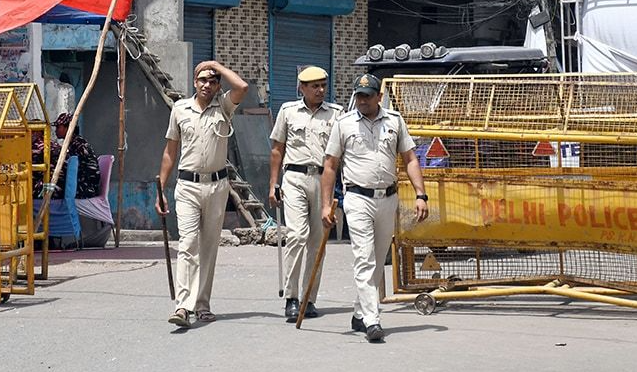
Delhi Police has arrested a minor, wanted in an arson case, for allegedly flaunting weapons on social media and trying to project a gangster-like image. The teenager had a criminal record of multiple cases and used Instagram to spread fear in the local area, police said.
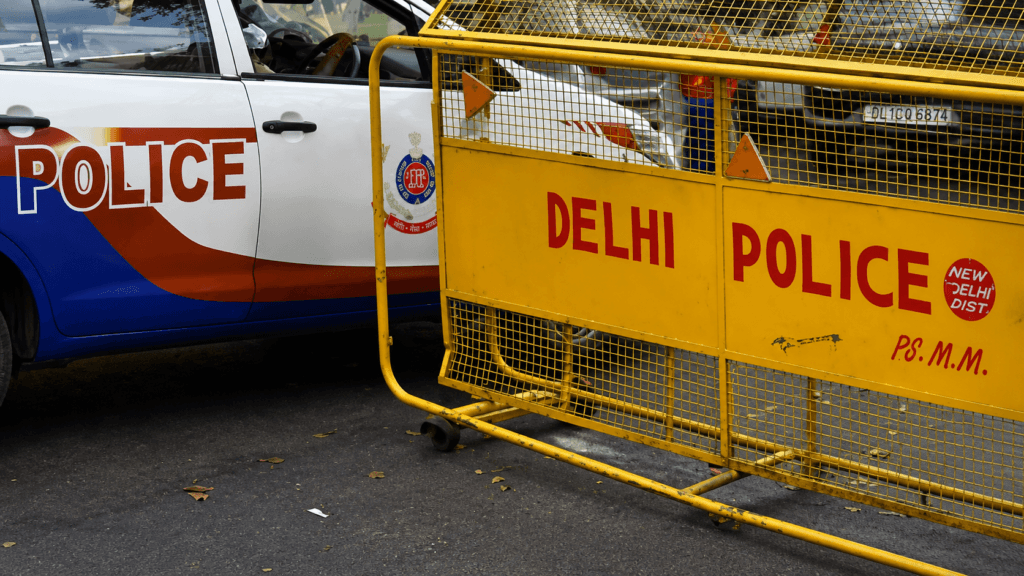
Delhi Police arrest a minor accused of promoting a gangster image on Instagram and flaunting illegal weapons online.
The Delhi Police have arrested a minor who was allegedly using social media to show off weapons, glorify crime, and create a gangster-like image in the city’s Azadpur area. The teenager, who was already wanted in an arson case, had reportedly gone underground after setting a man’s motorcycle on fire when the victim refused to lend the vehicle for buying alcohol.
According to police, the accused is linked to multiple criminal cases despite his young age, including snatching, assault, theft, arson, and attempted murder. Investigators said he was operating an Instagram account under the name “CRIME” with the username “king_of_azadpur_001,” where he regularly posted images and videos brandishing illegal arms. The case has once again raised concerns about how social media is being used by young offenders to build fear, status, and influence. Yeh case kaafi serious hai because it shows how online image-building can merge with real-world crime.
What Happened
Police said the minor was being tracked for his alleged role in an arson case, where he and his associates set a man’s motorcycle on fire after the man refused to lend them the vehicle so they could buy alcohol. That incident brought him onto the police radar, and the investigation eventually led officers to his online activity as well. NDTV has covered the full story.
During the probe, officials discovered that the accused had been using Instagram to present himself as a feared local criminal. The account, “CRIME,” and the handle “king_of_azadpur_001,” were reportedly being used to upload posts and videos showing him holding weapons. Police said he did this intentionally to create fear among residents and to project dominance in the area.
Investigators also found that he had a tattoo reading “Crime” on his wrist, which further suggested that he was consciously trying to cultivate a criminal identity. According to police, he was also fond of keeping and displaying illegal arms to strengthen his reputation. This combination of offline offenses and online bragging is what made the case stand out.
Why Police Say He Was Dangerous
The concern in this case is not just that the minor had allegedly committed multiple crimes. It is also that he seemed to turn criminal behavior into a public brand. In modern urban policing, that is a red flag because social media can amplify fear much faster than street-level rumors.
Police said the accused had previously been involved in five cases, including snatching, assault, theft, arson, and attempted murder. That means this was not his first alleged brush with the law. Instead, investigators believe he had already developed a pattern of violent and antisocial behavior. His online posts reportedly reinforced that image instead of hiding it.
A police officer involved in such cases would typically describe this behavior as “intentional intimidation through digital display.” In plain language, the idea is simple: the accused was not only committing crimes but also trying to be seen as someone dangerous. That is a troubling combination because it can influence other young people and intimidate ordinary residents. In simple words, crime ko brand banana khatarnak trend hai.
How Police Traced Him
A team from the Special Staff had been monitoring local criminals and their online activity for some time. Based on technical surveillance and local inputs, police traced the minor’s location and apprehended him. During questioning, it emerged that he had been frequently changing locations to avoid arrest.
That detail matters because it suggests he was aware of police pressure and trying to stay ahead of it. Moving frequently is a common tactic used by suspects who want to avoid being tracked. But in this case, investigators combined digital clues with on-ground intelligence, which helped them close in on him.
Police are now trying to determine where the weapons came from and who else was associated with the accused. That part of the investigation is important because illegal firearms usually do not appear in isolation. They are often linked to wider local networks, suppliers, and accomplices. If police can identify those links, they may be able to prevent further violence in the area.
Background and Context
Cases like this are becoming more common in urban India, especially in cities where social media is deeply embedded in youth culture. For some young offenders, online platforms are no longer just places for entertainment or communication. They have become tools for performance, reputation, and intimidation.
The problem is that gangster-style branding online can distort how crime is perceived. What once may have been hidden now gets turned into images, reels, handles, and hashtags. That can create a false sense of status among impressionable users. It can also encourage others to copy the same image-building behavior.
Delhi, like many metropolitan cities, has repeatedly dealt with issues involving youth crime, weapons, and social-media bravado. In this case, the accused’s age makes the matter even more complicated. Being a minor does not reduce the seriousness of the allegations, but it does raise questions about how early criminal behavior begins and what interventions are missing.
Timeline
Earlier incident: The accused allegedly sets a motorcycle on fire after the owner refuses to lend it for buying alcohol.
Following days: Police register the case and begin searching for the suspect.
During investigation: Officers discover the minor’s Instagram account and weapon-related posts.
Friday: Delhi Police arrest the minor.
After arrest: Questioning reveals frequent movement to avoid capture, and investigators begin tracing weapon sources and associates.
Also Read: Delhi Water Crisis Deepens as Dry Taps and Low Pressure Persist Despite Haryana Release
Why This Matters
This matters because the internet has changed the way crime can spread and influence society. A criminal image is no longer built only on street reputation. It can now be amplified through social media, where visuals travel fast and fear can be spread in seconds. If left unchecked, that can normalize violence among younger audiences.
It also matters because this case involves a minor, which means it raises deeper concerns about youth vulnerability, peer influence, and early criminal exposure. When a teenager starts identifying with crime as a lifestyle, it becomes a social issue, not just a police issue. Yeh issue kaafi important hai because it shows how crime, identity, and digital culture are becoming tightly connected.
India Angle
For Indian readers, this case feels especially relevant because social media use among teenagers is extremely high, and so is the temptation to copy trending gang or “dada”-style content. Across Indian cities, police have been warning people not to flaunt weapons or glorify crime online. That warning is not just about law and order; it is also about preventing impressionable youngsters from treating crime like entertainment.
In Hinglish, seedhi baat yeh hai: reel mein gun dikhana cool nahi, dangerous hai. This case shows how a local criminal image can be manufactured online and then spill into real life. For Indian families, especially in densely populated urban neighborhoods, that is a serious warning sign about what children and teenagers are consuming on social media.
Analysis
My opinion is that the most alarming part of this case is the deliberate self-branding. Many crimes are impulsive, but here the alleged behavior seems more calculated. The accused was not only involved in serious offenses but also seemed to have wanted visibility for them. That is a dangerous shift in youth crime because it turns violence into identity. Police action is important, but prevention matters too. Schools, families, and communities need to pay attention when teenagers begin glamorizing aggression, carrying weapons, or talking about crime as if it were status. Otherwise, the behavior can escalate very quickly.
What Next
The next step will be police investigation into the source of the illegal arms and the identity of others linked to the minor. Authorities are likely to check whether his associates supplied weapons, assisted him in hiding, or helped spread the online content. If more people are involved, the case could widen beyond one arrest.
Police may also continue monitoring social media accounts used for criminal glorification in the area. The public advisory against displaying weapons online is likely to be repeated, especially in light of this arrest. Since the accused is a minor, the legal process will follow juvenile procedures, but the seriousness of the allegations means the case will remain under close watch. The bigger question now is whether this arrest leads to a broader crackdown on online crime promotion in Delhi.
Conclusion
The arrest of a Delhi minor for allegedly flaunting guns online and trying to project a gangster image is a reminder of how crime and social media now overlap in dangerous ways. Police say the teenager was already wanted in an arson case and had a history of serious offenses, making him a high-risk offender despite his age.
What makes this case particularly disturbing is the effort to turn criminal behavior into an online identity. That kind of glorification can spread fear, inspire imitation, and worsen local law and order. As Delhi Police investigate the weapons trail and the wider network, the case stands as a clear warning: crime may look like a performance online, but its consequences are very real.
Written By A. Jack