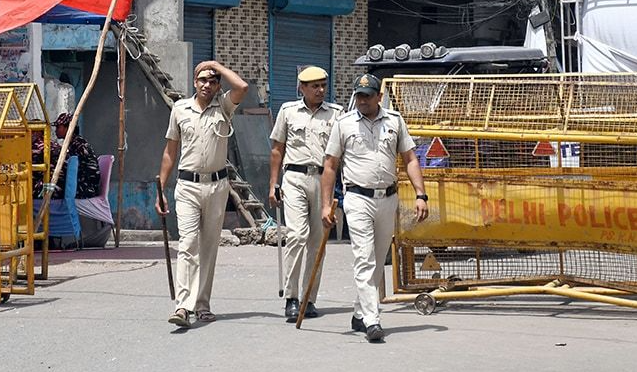
The water crisis in Delhi continued on Friday with Haryana releasing another 979.50 cusecs of water in the Munak Canal. With the summer heat gripping the capital, many areas continue to suffer from dry taps, low pressure and reliance on water tankers.
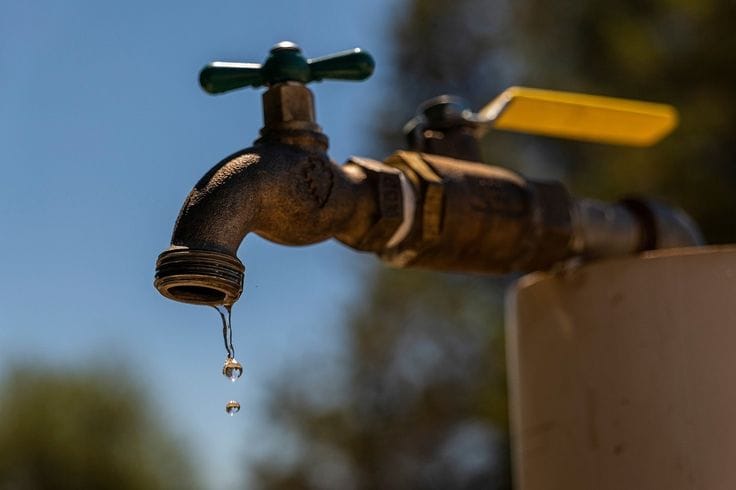
Residents in Delhi struggle with water shortages as tankers and limited supply continue to serve several colonies during the peak summer season.
Delhi Water Crisis
Delhi is once again facing a severe water shortage, with residents across several parts of the city reporting dry taps, weak pressure, and long waits for tanker water despite additional supply being released by Haryana. The crisis has been worsened by falling water levels in the Yamuna, which have affected operations at two of the capital’s key treatment plants—Wazirabad and Chandrawal.
Officials said the extra water was released after discussions between the Delhi government and Haryana authorities, but supply may take time to normalize because the Wazirabad pondage area is still critically low. In practical terms, that means even when water is flowing in from the canal, the city’s distribution system is still struggling to recover. Yeh situation kaafi frustrating hai for residents because the summer heat has already pushed household water demand to the edge.
Why the Crisis Continues
The main reason behind the ongoing shortage is the sharp decline in raw water availability from the Yamuna. Both the Wazirabad and Chandrawal water treatment plants have been operating below optimum capacity for several days because they are not receiving enough raw water to treat and supply to homes. NDTV has covered the full story.
Wazirabad supplies around 134 million gallons per day to parts of north and central Delhi, while Chandrawal produces nearly 98 million gallons per day for north, northwest, and central Delhi. When these plants work below capacity, the impact spreads quickly across the city’s water network. The result is not just lower supply but also weak pressure, delayed filling and, in some cases, no water at all from the taps.
Officials said water had to be diverted from the Haiderpur canal system to keep some areas supplied after production at the two plants dipped. Even so, the additional water from Haryana is unlikely to solve the problem instantly. The pondage level at Wazirabad still needs time to recover before the plants can operate smoothly again. In simple words, supply aaye bhi toh crisis turant khatam nahi hota.
Areas Reporting Major Disruption
Several colonies in west, central, and northeast Delhi have continued to report severe disruption this week. Among the affected areas are Patel Nagar J Block, West Patel Nagar, parts of Dwarka, Ambica Vihar Society, Paschim Vihar, Ramesh Enclave, and Sudarshan Park.
Residents in Dakshinpuri said the supply has remained disrupted for nearly 15 days, forcing families to depend on water tankers and stored water. In a heatwave, that kind of uncertainty becomes a daily burden rather than a minor inconvenience. People must plan around tanker timings, store every drop carefully, and often reduce basic use like washing, cleaning, and bathing.
This is where Delhi’s water crisis becomes more than a technical issue. It becomes a public welfare issue affecting hygiene, health, and daily routine for lakhs of people.
Haryana’s Role and the Munak Canal
The additional water release followed high-level discussions between Delhi and Haryana authorities over the worsening situation in the capital. Officials said 979.50 cusecs were released through the Munak Canal, with 442.94 cusecs flowing through the Carrier Lined Channel and another 536 cusecs via the Delhi Sub Branch system.
This extra flow is expected to improve the Wazirabad pondage area, which supplies raw water to the treatment plants. But the effect will be gradual. Water systems do not respond like a light switch. Even after release, it takes time for storage levels, treatment capacity, and distribution pressure to stabilize.
Delhi remains heavily dependent on neighboring states, especially Haryana, for raw water supply. That dependency becomes especially visible during summer, when river flow weakens and city demand peaks. The current crisis is therefore not just about one canal release. It reflects the structural vulnerability of Delhi’s water system.
Background and Context
Delhi’s water stress is not new. Every summer, the city experiences some level of pressure on supply, but the intensity changes depending on river levels, demand, maintenance issues, and weather conditions. This year, low Yamuna flow has made things worse for treatment plants that rely on raw water availability to function properly.
What makes Delhi especially vulnerable is that many neighborhoods rely on a chain of supply steps—river water, canal flow, treatment plants, pumping, storage, and finally distribution. If one link weakens, the entire chain feels the impact. That is exactly what appears to be happening now.
Timeline
Earlier in the week: Water supply begins falling in multiple parts of Delhi.
Over several days: Wazirabad and Chandrawal plants operate below optimum capacity.
Friday: Residents continue to report dry taps, low pressure, and tanker dependence.
After talks between Delhi and Haryana: Haryana releases 979.50 cusecs into the Munak Canal.
Current status: Officials say normal supply may still take time because Wazirabad pondage remains critically low.
Also Read: Delhi Heatwave Melts Ladoos in Viral Video as Summer Takes an Unusual Turn
Why This Matters
This matters because water is not a luxury — it is a basic necessity. When taps run dry, families are forced to spend extra time, money, and energy just to meet daily needs. In a city like Delhi, even a shortfall in supply can disrupt schools, kitchens, workplaces, and healthcare settings.
It also matters because water crises expose how fragile urban infrastructure can be during extreme weather. Delhi’s population density, summer heat, and dependence on outside raw water sources combine to create a recurring vulnerability. Yeh issue kaafi important hai because it affects both quality of life and public health. Poor water supply can lead to hygiene problems, stress, and even local disputes over tanker access.
India Angle
The India angle is strong because Delhi’s problem is not isolated. Across Indian cities, water stress is becoming more visible during hotter months, especially where demand has outpaced infrastructure growth. The Delhi case is a warning for other urban centers that depend on rivers, canals, and interstate coordination.
In Hinglish, seedhi baat yeh hai: jab paani nahi aata, toh poora ghar ka schedule hil jaata hai. That is the reality for many Indian families, especially in peak summer. The Delhi crisis also shows how state-level cooperation matters in everyday life. A canal release in Haryana directly affects kitchen taps in Delhi. That is federalism in action, but also a reminder of how closely connected our water systems are.
Analysis
My opinion is that the most important takeaway is that short-term water releases can ease symptoms, but they do not solve the deeper problem. Delhi’s supply system is under strain every summer, and the current crisis shows how quickly that strain can turn into a citywide disruption. The government’s response through inter-state coordination is necessary, but residents need a more resilient long-term plan. That means better storage, stronger treatment capacity, reduced leakage, and more efficient distribution. Otherwise, the city will keep repeating the same summer pattern: low river levels, low plant output, and high public frustration.
What Next
The next step will be monitoring how quickly Wazirabad pondage levels rise after the additional release. If the raw water level improves, the treatment plants should gradually return closer to normal production. Even then, full restoration across all affected colonies may take time because the distribution network also needs to stabilize.
Officials are likely to keep using tankers in the worst-hit areas until pressure improves. Residents should expect uneven relief rather than an immediate fix. If summer heat continues and Yamuna flow remains weak, Delhi may face fresh shortages again. That is why water conservation and efficient supply management will remain important in the coming days.
Conclusion
Delhi’s water crisis has once again shown how fragile the capital’s supply system becomes during peak summer. Even after Haryana released extra water into the Munak Canal, many colonies continued to face dry taps, weak pressure, and tanker dependence because the Wazirabad pondage area remains critically low.
The situation is a reminder that urban water stress is not solved by one-time releases alone. It needs steady river flow, efficient treatment plants, and stronger distribution planning. For residents, the immediate hope is for normal supply to return soon. For policymakers, the lesson is clear: Delhi cannot afford to treat summer water shortages as a routine problem anymore.
Written By A. Jack