New DU students are spending their first days in the capital searching for rooms and paying inflated rents, while misleading online listings and disputed deposits leave many outstation students financially vulnerable.
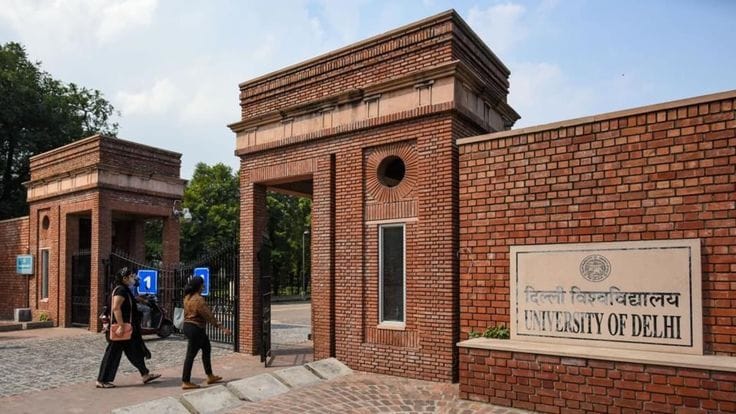
This image is only for illustrations.
The excitement of beginning university life is turning into anxiety for many Delhi University students as they struggle to secure accommodation near campus. With the new academic session underway, thousands of outstation students have arrived in the capital, only to discover that rooms, paying-guest facilities and shared flats are becoming increasingly expensive.
Students living around North Campus and South Campus have described a rental market marked by high rents, heavy security deposits, broking pressure and misleading online advertisements. Some students said securing even modest accommodation consumed their first week in Delhi, while families were forced to spend more than expected on deposits, advance rent and broking.
The problem is not new, but the annual rush after admissions makes it more severe. Demand rises sharply within a short period, while the number of affordable rooms and university hostel seats remains limited. This allows landlords, property agents and intermediaries to negotiate from a position of strength.
For students unfamiliar with Delhi, the pressure can be intense. They may have to make decisions quickly, often after viewing a property through photographs or online listings. In a crowded rental market, the fear of losing a room can lead them to pay money before verifying the property or reading the rental agreement carefully.
Why accommodation has become difficult
The main reason is the mismatch between demand and supply. Delhi University attracts students from across India, but university hostels offer only a limited number of rooms. Most students are therefore dependent on private paying-guest accommodation, shared flats or rented rooms in nearby neighbourhoods.
These neighbourhoods offer easy access to colleges, coaching centres, markets and transport. Their popularity, however, pushes rents up during admission season.
Older data also showed that North Campus PG rooms could cost around ₹13,000 to ₹15,000 for twin sharing, while South Campus accommodation ranged from approximately ₹7,000 for double occupancy to ₹25,000 for single occupancy, depending on the location and facilities.
Current students say rent levels, deposits and broking charges are increasing further in response to the annual rush. In some cases, students are asked to pay several months’ rent in advance, along with a large security deposit and a borrowing equivalent to one month’s rent. This story was also covered by TheHindu.
Yeh issue kaafi important hai because accommodation is not an optional expense for outstation students. Without a room, they cannot attend classes regularly or settle into university life.
How rental scams operate
Rental scams have become a growing concern because students often begin their search online. Property advertisements may show attractive photographs, modern furniture and facilities that are not available at the actual location.
One postgraduate student, identified as Santosh, said he paid a deposit and advance rent after seeing photographs of a property online. When he arrived, the accommodation was completely different from what had been advertised.
In such cases, the scam may involve:
Fake photographs.
False claims about room size.
Misleading information about distance from campus.
Unauthorised agents posing as landlords.
Requests for payment before physical inspection.
Duplicate listings posted on several platforms.
Hidden charges for electricity, water, food or maintenance.
Verbal promises that do not appear in the agreement.
Students may hesitate to complain after paying because they worry about losing their academic schedule, money or the room itself. Some landlords or agents may use the shortage to pressure students into accepting poor conditions.
A student who discovers that the room is smaller or lacks promised facilities may face a difficult choice: remain in the accommodation or lose the deposit and search again.
Security deposit disputes
Several students have reported disputes over security deposits. Some landlords allegedly withhold the money when students leave, while others introduce new conditions that were not discussed before the agreement was signed.
Common deposit-related problems include:
Deductions for routine wear and tear.
Claims that furniture was damaged without proof.
Disputes over unpaid utility charges.
Notice-period disagreements.
Rent increases imposed after a few months.
Deposits not returned on the promised date.
Agreements that lock students into 11 or 12 months.
A long lock-in period can create financial pressure. Students may need to leave because of academic transfers, family emergencies, health issues or unsafe living conditions. If the agreement does not clearly explain the exit process, the landlord may refuse to return the deposit.
Students and parents often sign documents quickly because accommodation is in short supply. This is where legal and financial vulnerability begins.
Broking pressure
Brokers play an important role in connecting students with available rooms, but students say some agents take advantage of the admission-season rush.
A broker may show several properties and demand payment before the student receives a proper agreement. In some cases, students are charged broking even when the property is unsuitable or the transaction does not go ahead.
Students also report being shown one room online and a different room after arriving. Some agents may say the advertised room has already been taken and then offer a more expensive alternative.
The lack of a standard broking system makes it difficult for students to know what they should pay. Parents arriving from other cities may also be unfamiliar with local rates and neighbourhoods.
Impact on families and students
The housing crisis affects more than monthly rent. Families must pay for travel, deposits, broking, furniture, meals, transport and daily expenses. For middle-class and lower-income households, a sudden deposit of several months’ rent can create considerable financial stress.
Students may also compromise on safety and privacy. Some share overcrowded rooms, while others choose locations far from campus to reduce costs. Long commutes can increase daily expenses and reduce the time available for classes, study and campus activities.
For first-year students, the emotional burden is especially heavy. They are entering a new city, learning to navigate public transport and managing money independently for the first time.
Students from the Northeast and other regions have historically reported difficulties finding accommodation in Delhi, including discrimination, higher rents and reluctance from landlords. These concerns add another layer of vulnerability for students who already feel unfamiliar with the city.
Background and context
Accommodation shortages have affected Delhi University students for years. University hostels provide only a limited number of seats, and allotment is often based on eligibility, merit or availability. Most students therefore turn to private PGs and rented flats.
The problem becomes most visible after admission lists and seat confirmations are released. Within weeks, students arrive from different states and begin searching in the same neighbourhoods.
Local landlords often adjust rents during this period because demand is high. Rooms that remain vacant during other months may be quickly occupied at higher rates during the academic session.
The lack of affordable university housing has created a private rental market with limited oversight. Students may not know whether a PG is registered, whether safety equipment exists or whether the building complies with local regulations.
Timeline
Before the academic session: Property agents begin advertising rooms and PGs online and through local networks.
After DU admissions: Large numbers of outstation students arrive in Delhi and begin searching for accommodation.
First week: Students face rising rents, broking demands, large deposits and misleading listings.
Early weeks of the session: Some students shift rooms after finding that facilities or conditions do not match promises.
Ongoing: Disputes over rent increases, notice periods and security deposits continue.
Also Read: Jharkhand Student Protest: Talks With Another JPSC-JSSC Faction End Without Breakthrough
Why This Matters
This matters because affordable housing is directly connected to access to higher education. A student who cannot find a safe and affordable room may be forced to reject admission, choose a distant college or spend more than the family can afford.
It also matters because rental scams can cause immediate financial loss. A student may lose a deposit before attending the first class, with little knowledge of how to recover the money.
The housing situation can affect academic performance. Students living in overcrowded or unsafe rooms may struggle to sleep, study and maintain health.
The problem also raises questions about the responsibility of educational institutions. Universities may not be able to house every student, but they can provide verified accommodation lists, legal guidance, emergency support and complaint mechanisms.
In simple Hinglish, admission milna first step hai; safe room milna bhi equally important hai.
India angle
For Indian readers, the Delhi University housing problem reflects a wider crisis in student accommodation. Universities across cities such as Mumbai, Bengaluru, Hyderabad, Pune and Kolkata face similar pressure when new sessions begin.
Growing student migration has increased demand for PGs and shared rentals, but affordable housing has not expanded at the same pace. Private accommodation often operates without uniform standards for rent, security, food, safety and refunds.
The issue also affects parents across India. Families may transfer large sums to students or agents without knowing whether the property is genuine. A central database of verified PGs and rentals near educational institutions could reduce this risk.
State governments and universities could work together to improve tenant protections, enforce written agreements and create helplines for students facing rental fraud.
Analysis
The most immediate reform would be a verified accommodation portal managed by the university or a trusted public agency. It could list landlords and PG operators who submit ownership documents, rent details, safety certificates and refund policies.
Students should also receive a standard rental agreement explaining rent, deposit, notice period, deductions, maintenance and refund timelines. This would reduce disputes and prevent verbal promises from replacing written terms.
Landlords should not be treated as the only cause of the problem. Many provide useful accommodation in neighbourhoods where university hostels are unavailable. But the market needs transparency and accountability, especially when students are paying large upfront amounts.
The university should also expand emergency housing support for students who arrive without accommodation. Short-term dormitories, guest rooms or partnerships with verified hostels could prevent students from becoming easy targets for fraud.
What Next
The immediate challenge for students is securing accommodation without rushing into unsafe or fraudulent deals. Universities, student unions and local authorities may need to issue warnings about online rental scams.
Students should verify the physical address, meet the landlord, inspect the room and request a written agreement before making payment. They should avoid transferring large sums to an unverified agent and retain receipts, messages and photographs of the property.
Delhi University could consider creating a rental-support cell that helps students verify agreements and report scams. It could also maintain a list of affordable hostels, registered PGs and emergency accommodation options.
Long term, the university and Delhi government will need to address the shortage of affordable student housing. More hostels, regulated PGs and low-cost rental projects near campuses could reduce pressure on the private market.
There may also be a need for legal measures covering deposit refunds, broking charges, rent increases and lock-in periods for student tenants.
Conclusion
As the new academic session begins, Delhi University students are facing a housing crisis marked by high rents, rental scams, heavy deposits and limited affordable accommodation. For many outstation students, the first week in Delhi is being spent searching for a room instead of settling into university life.
The problem is created by a persistent shortage of hostels and a sudden surge in demand around North and South Campus. Students unfamiliar with Delhi are particularly vulnerable to misleading listings and exploitative rental conditions.
The solution requires action from universities, civic bodies, landlords, brokers and students. Verified accommodation, standard rental agreements, transparent deposits and affordable hostels can make Delhi University more accessible and secure.
For students, finding a room should not feel like another entrance examination. Education must begin with safety, stability and a place to call home.
Written By A. Jack