CNG has become costlier again in Delhi-NCR, with prices rising by Rs 1 per kg from Sunday morning, making this the second hike in just two days. The move comes as global energy markets remain under pressure from the Middle East war and the extended closure of the Strait of Hormuz.
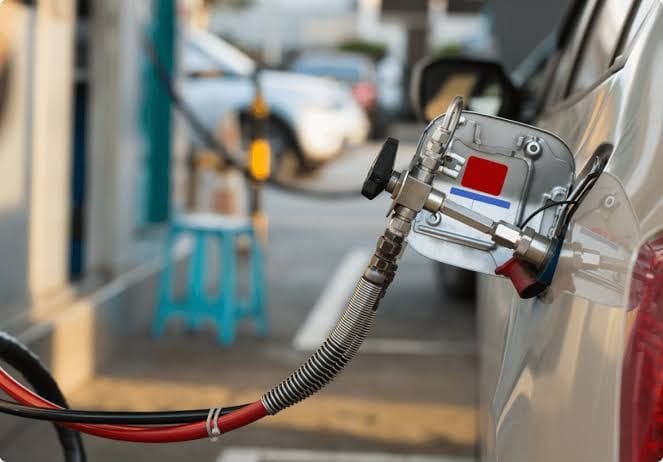
A CNG fuel station in Delhi, where prices have increased again amid global energy market volatility and rising input costs.
Compressed Natural Gas prices have gone up once more in Delhi and nearby regions, adding fresh pressure on commuters, auto-rickshaw drivers, and cab operators across the National Capital Region. From 6 am on May 17, CNG in Delhi now costs Rs 80.09 per kg, up from Rs 79.09 just two days earlier, according to the latest revision announced by Indraprastha Gas Limited (IGL).
This is the second CNG price hike in two days and comes at a time when petrol and diesel prices have also risen for the first time in four years. For households and transport workers, the timing is especially difficult because fuel costs are moving up across the board, not just in one category. Yeh issue kaafi important hai because CNG is not a niche fuel in NCR; it powers thousands of autos, cabs, and other commercial vehicles that people depend on every day.
What Changed
IGL said the retail selling price of CNG has been increased by Rs 1 per kg across all of its geographical areas with effect from 6 am on May 17, 2026. In Delhi, the new rate is Rs 80.09 per kg. In Noida and Ghaziabad, it is Rs 88.70, while Gurugram now stands at Rs 85.12. NDTV has covered the full story.
Other areas have also seen higher prices. Muzaffarnagar, Meerut, and Shamli are at Rs 88.58 per kg; Kanpur at Rs 91.42; Ajmer at Rs 89.44; Banda at Rs 86.42 and Hapur at Rs 89.70. The revision comes just days after Delhi saw an Rs 2 hike that pushed the price from Rs 77.09 to Rs 79.09 per kg. That means Delhi consumers are now paying more for the second time in a very short span.
Why the Price Went Up
IGL said the increase was meant to “marginally offset” the impact of higher input gas costs along with a steep rise in the US dollar. In plain language, that means the company is paying more to buy gas and also facing currency pressure because a weaker rupee or stronger dollar makes imported energy-linked inputs more expensive.
The broader background is the Middle East conflict and the extended closure of the Strait of Hormuz, a critical route for global oil and gas flows. When such a key passage is disrupted, international energy supply chains tighten and prices tend to rise. India, which imports a large share of its energy needs, feels the pressure quickly. That global shock is now being passed through to retail fuel prices in stages rather than all at once.
Reported Statement
IGL said the CNG price revision was necessary to partly absorb the rise in input costs. The company also noted that even after the increase, CNG would still offer up to 45% savings in running costs compared to vehicles using alternate fuels at current price levels. That point matters because it shows why CNG remains attractive despite the hike.
The statement reflects the company’s balancing act. On one side is the need to keep pricing viable when costs rise sharply. On the other hand is the need to keep CNG affordable enough that consumers continue using it. The company appears to be signaling that while the fuel is now more expensive, it still remains cheaper than many alternatives in day-to-day operation.
Background
CNG has long been a major urban transport fuel in India, especially in Delhi-NCR and Mumbai. It is popular because it is cleaner than petrol and diesel and usually cheaper to run. That has made it especially important for autorickshaws, taxis, fleet vehicles, and commercial transport operators.
The recent round of fuel price increases is notable because it comes after a long period of relative stability. The government had delayed a major pass-through of global costs in an effort to keep inflation under control. But with losses mounting for oil marketing companies and international fuel markets still unstable, the pressure has now reached consumers. State-run companies such as IOCL, BPCL and HPCL have reportedly been bearing losses of around Rs 1,600 crore daily because they were buying crude at higher prices without passing all the costs on immediately.
Timeline
A few days ago: Delhi CNG prices were raised by Rs 2, from Rs 77.09 to Rs 79.09 per kg.
Friday: Petrol and diesel prices were increased for the first time in four years.
A day earlier: Mumbai also saw a CNG price hike.
May 17, 2026: Delhi-NCR CNG prices were raised again by Rs 1 per kg.
Now: Delhi CNG stands at Rs 80.09 per kg, with similar increases in surrounding regions.
Also Read: Petrol, Diesel Price Hike LIVE: Centre Raises Fuel Rates by Rs 3 Per Litre Amid Middle East Crisis
Why This Matters
This matters because CNG powers a huge portion of Delhi-NCR’s public transport ecosystem. When the fuel gets costlier, the impact is not limited to fuel stations. Auto drivers, cab owners, delivery fleets, and even ordinary commuters can end up paying more. Over time, those costs often get passed on through higher fares.
It also matters for inflation. Transportation is a foundational cost, and when it rises, the effect can spread into the prices of goods and services. That means grocery delivery, local commuting, and business logistics can all become more expensive. In India, where fuel price changes quickly become household conversations, this kind of hike directly affects daily budgets. Simple words mein, yeh sirf fuel ka rate nahi badh raha—yeh lifestyle expenses ko bhi touch kar raha hai.
India Angle
For Indian readers, the story is especially relevant because Delhi-NCR is one of the country’s most CNG-dependent regions. Thousands of autos and cabs run on CNG every day, and any increase immediately becomes visible in fare discussions. In cities like Delhi, Noida, Ghaziabad, and Gurugram, people do not just notice fuel price changes at the pump; they feel them in their commute bills.
There is also a wider policy angle. PM Narendra Modi recently urged people to save fuel and work remotely to ease demand and reduce foreign exchange outflows. Backing that appeal, several leaders reduced convoy usage, and Delhi Chief Minister Rekha Gupta announced two work-from-home days per week for government offices. That shows the government is treating fuel conservation as a broader national issue, not just a pricing problem. For everyday users, the message is clear: the current fuel environment is tight, and everyone is being nudged to consume more carefully.
Analysis
My view is that this hike was expected but still painful. Once global energy disruptions persist and the dollar strengthens, domestic fuel pricing rarely stays insulated for long. The government may try to manage inflation by delaying big hikes, but eventually the costs have to surface somewhere. What stands out here is how quickly the increases are coming now — first CNG, then petrol and diesel, and then CNG again.
What’s Next?
The next few days will likely determine whether transport unions or commuter groups push for fare revisions. In Mumbai, autorickshaw unions have already started demanding an increase in the base fare, and similar pressure could build in Delhi-NCR if CNG prices continue moving upward. If that happens, the fuel hike will start translating into visible fare hikes for passengers.
The bigger question is whether more price revisions are coming. Given the continuing uncertainty in global energy markets and the ongoing effect of the Strait of Hormuz closure, further adjustments cannot be ruled out. Consumers should also watch for any new policy guidance from the government, especially if inflation starts to rise more sharply. For now, the most likely scenario is that transport costs will remain under pressure and that the burden will keep shifting gradually to users.
Conclusion
Delhi’s second CNG price hike in two days is another sign that global fuel disruptions are now being felt very directly in Indian cities. With CNG crossing Rs 80 per kg in the capital and even higher in surrounding regions, transport operators and commuters are facing a tougher cost environment.
IGL says the increase is only meant to partially offset higher input costs and currency pressure, but for many users, the practical effect will still be a bigger daily bill. As long as global energy markets remain unstable, such hikes are likely to remain a live issue for Delhi-NCR and beyond.
Written By A. Jack