Residents of West Delhi’s Janakpuri say their taps have been supplying foul-smelling, discoloured water for months, forcing many families to buy bottled water for daily use. The situation has also sparked health worries, with complaints of stomach infections and skin ailments among residents.
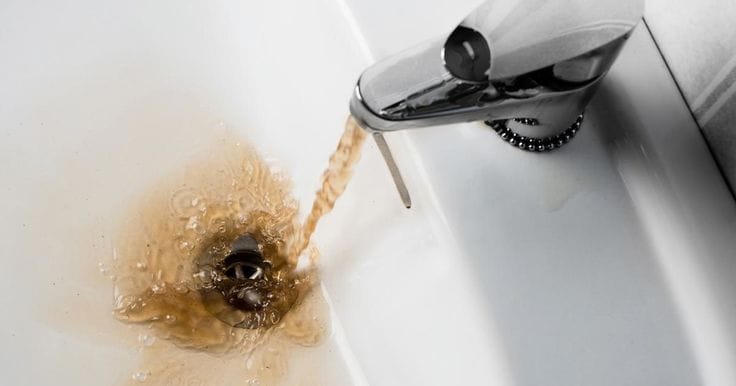
Residents in Janakpuri, West Delhi, show tap water that appears discoloured and smells like sewage amid a months-long contamination crisis.
In West Delhi’s Janakpuri, a neighbourhood meant to be known for orderly residential blocks and middle-class stability, many families are now facing a basic civic failure: tap water that smells and looks like sewage. Reports from the ground show that residents, including elderly people, have been dealing with dirty water for nearly five to seven months, and repeated complaints have not brought a lasting fix.
The problem has turned everyday routines upside down. Families are relying on bottled water for drinking and cooking, while some residents say they avoid turning on the tap altogether because of the stench. The issue is no longer just about inconvenience; it has become a public health and trust crisis.
What Residents Are Facing
The most disturbing part of this story is how normal the crisis has become for residents. Vimla Arora, 86, says muddy, foul-smelling water has been coming from her tap for six to seven months, forcing her to throw it away every time it arrives. NDTV has covered the full story.
Another resident, 85-year-old KP Mahajan, said he often does not even turn on the tap because the smell is so bad. Others describe homes that “feel like a gutter” or “smell like a sewer,” and several households say they now run fans indoors because the odour lingers for hours.
For many families, the biggest burden is financial. Residents say they now spend heavily on bottled water every day, and some elderly residents struggle with the physical effort of carrying cans and bottles. That may sound like a small thing, but for pensioners and single residents, it becomes a daily hardship.
Health Concerns Are Growing
The health angle is what makes this crisis especially serious. One resident, Jagmeet Singh, said he suffered from typhoid in September 2025 and needed two months to recover. He also said his daughter developed jaundice, which the family links to the contaminated supply.
Other residents reported stomach infections and skin ailments. When people begin associating tap water with illness, the whole system of domestic life changes — boiling water, buying packaged water, avoiding baths, and worrying about what is safe for children and older family members. Yeh issue kaafi important hai because clean water is a basic right, not a luxury.
Why The Water Seems Contaminated
A Delhi Jal Board official said the problem has been traced to a sewer line being in a “surcharge condition,” and repair work has already begun. The official also said regular flushing is being carried out in the meantime to manage the situation.
That explanation suggests sewage may be entering or affecting the water supply due to pressure or overflow issues in the sewer system. Earlier testing by the Central Pollution Control Board had also found contamination in water samples from parts of Janakpuri, pointing to possible sewage mixing.
In simple terms, this means the water problem may not be a single pipe failure. It could reflect a larger infrastructure issue where sewer systems and drinking water networks are not functioning cleanly or independently enough.
Also Read: PM Modi Gives Strategic Guidance to Diplomats at 11th Heads of Mission Conference in New Delhi
Background And Context
Janakpuri has faced water quality complaints before, and residents say they have been filing repeated grievances for over a year. Yet the crisis keeps returning, which is why frustration in the locality is now so high.
This is not the first time the issue has surfaced in Delhi’s civic discourse either. Previous reports and submissions to the National Green Tribunal have pointed to foul-smelling and discoloured water, with residents accusing agencies of not responding adequately. That history matters because it shows the problem is not sudden; it is persistent.
Timeline
Over the past year: Residents say repeated complaints were filed with little improvement.
Several months ago: Water contamination becomes more visible in Janakpuri homes.
September 2025: One resident says he suffered from typhoid; his daughter later developed jaundice.
April 2026: Ground reports and tests again show sewage-like water in taps.
Present: DJB says sewer replacement work has started and flushing is ongoing.
Why This Matters
This matters because water is one of the most essential urban services, and when it fails, everything else follows — health, hygiene, dignity, and trust in governance. If residents cannot safely use tap water for drinking, cooking, or bathing, the idea of basic civic service breaks down.
It also matters because the affected population includes many elderly residents. Older citizens are more vulnerable to infection and also less able to cope with the physical burden of buying, lifting and storing bottled water. For them, this is not just an inconvenience; it is a daily survival problem.
India Angle
For Indian readers, Janakpuri’s water crisis is a familiar urban problem with a wider national message. Many cities in India struggle with overlapping sewage and water infrastructure, and when complaints are ignored or delayed, residents end up paying the price.
Yeh sirf Delhi ka issue nahi hai — it reflects a broader challenge in Indian urban governance. Clean water systems, sewer upgrades, and complaint response mechanisms need to be more reliable because middle-class families, senior citizens, and children all depend on them every single day.
Analysis
My analysis is that the real issue here is not only contamination but also response time. When residents say they have complained for months and still rely on bottled water, the public begins to see the problem as administrative neglect rather than an isolated pipe failure. If the sewer replacement work is not visible on the ground soon, confidence will continue to erode.
What Next
The immediate next step should be a clear timeline from the Delhi Jal Board on sewer replacement and water-line testing. Residents need more than verbal assurances; they need visible action, water quality tests, and regular updates on whether the contamination is reducing.
If repairs do not work, the issue could trigger more complaints to civic bodies, pollution regulators, or even legal forums. In a locality like Janakpuri, prolonged contamination could also become a political issue because voters expect basic services to function without months of disruption.
Conclusion
The Janakpuri water crisis is a sharp reminder that city life can unravel when essential infrastructure fails. Residents are opening taps only to find sewage-like, foul-smelling water, and many are now relying on bottled supplies just to cook and drink safely.
With health concerns rising and complaints still unresolved, the situation demands urgent, transparent, and measurable action. Until the water is truly safe again, the crisis in Janakpuri will remain a daily reminder that clean water is not optional — it is foundational.
Written By A. Jack