
A massive narcotics bust in Mumbai has put India’s drug enforcement machinery in the spotlight after the Narcotics Control Bureau seized 349 kg of high-grade cocaine worth Rs 1,745 crore. Union Home Minister Amit Shah said the government is determined to “ruthlessly crush” narcotics networks, calling the operation a major blow to an international cartel.
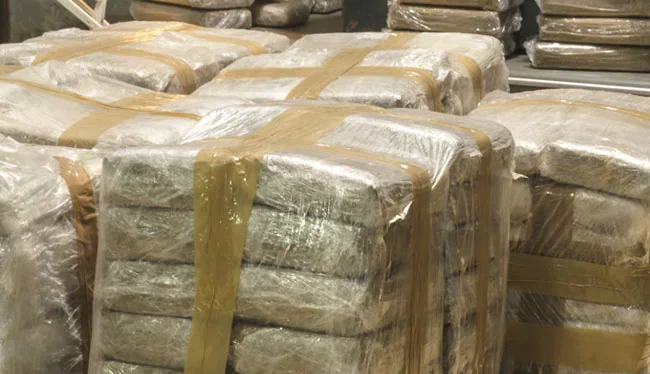
NCB officials linked to the Mumbai cocaine seizure, one of India’s biggest recent narcotics crackdowns, as Union Home Minister Amit Shah vows tougher action against drug cartels.
Mumbai Cocaine Seizure
In a major anti-drug operation, the Narcotics Control Bureau has seized 349 kg of high-grade cocaine in Mumbai, with an estimated market value of Rs 1,745 crore. The seizure has been described by Union Home Minister Amit Shah as a “trailblazing” success against an international narcotics network.
The development came alongside another significant breakthrough: the return of wanted drug trafficker Mohammed Salim Dola from Turkiye under Operation Global-Hunt. Taken into custody at Delhi’s IGI Airport, Dola is now back in India after being absconding for years, according to the Ministry of Home Affairs. Together, these actions show how India is stepping up pressure on transnational drug syndicates.
What Happened
The NCB’s Mumbai seizure is one of the most significant drug busts of recent times, not just because of the quantity involved but also because of the method used. Shah said the agency followed a “bottom to top” approach, tracing a smaller consignment backwards until it uncovered a much larger international ring. That kind of investigation is important because narcotics networks often work through layers of couriers, local handlers, and bulk suppliers. NDTV has covered the full story.
In a post on X, Amit Shah said the government was resolved to “ruthlessly crush the narcotics cartel” and congratulated Team NCB for the operation. His statement made clear that the government views this not just as a seizure, but as a strategic strike against a wider criminal chain.
Why The Seizure Is So Important
A cocaine seizure of 349 kg is not a routine enforcement result. It indicates a supply line with serious international reach, significant financial backing, and an organised distribution structure. In practical terms, stopping such a shipment means preventing a huge quantity of narcotics from entering urban markets, where it could fuel addiction, crime, and illegal money flows.
The value tag of Rs 1,745 crore also shows the scale of the threat. At this level, drug trafficking is not just a law and order issue — it is a national security and financial crime issue. Yahan sirf ek shipment nahi pakda gaya, balki ek poora network target hua hai.
Mohammed Salim Dola’s Return
The second major part of the story is the return of Mohammed Salim Dola from Turkiye. The Ministry of Home Affairs said Dola, 59, was wanted in multiple narcotics cases in India and had been on an INTERPOL Red Notice since March 2024.
According to the MHA, Dola had built a transnational trafficking syndicate spanning the Middle East, Africa and Europe. His alleged criminal record includes involvement in high-value seizures of heroin, charas, mephedrone, mandrax and methamphetamine in Maharashtra and Gujarat. Officials also said he worked as a bulk supplier to downstream networks in India.
That detail matters because drug cartels often operate like supply chains. Once a bulk supplier is removed, many smaller distribution points can be disrupted at the same time.
How The Operation Worked
The government’s description suggests a coordinated intelligence-led effort rather than a single isolated arrest. The NCB worked closely with Indian and international agencies, and the return of Dola under Operation Global-Hunt shows that India is increasingly using cross-border legal and police cooperation to go after fugitives.
The involvement of Turkiye, INTERPOL and Indian agencies shows how such cases require diplomatic and law-enforcement coordination. In today’s narcotics trade, borders are often the weakest barrier unless intelligence-sharing is strong and fast. That is why this case is being presented as a model of inter-agency cooperation.
Background And Context
India has been facing an increasing challenge from synthetic and high-value narcotics trafficking. Cities like Mumbai, Delhi and Ahmedabad have often been linked to wider trafficking routes because of their ports, airports, consumer demand and logistics connections.
The latest bust also comes against the backdrop of previous cases involving Dola’s family and associates. According to the MHA, his son Tahil Salim Dola and others were arrested by Mumbai Police after deportation or extradition from the UAE in 2025. That history suggests the network had already been under sustained watch and that the current breakthrough may be part of a longer enforcement effort.
Timeline
March 2024: INTERPOL issues a Red Notice against Mohammed Salim Dola at India’s request.
2025: His son Tahil Salim Dola and associates are arrested after deportation/extradition from the UAE.
May 1, 2026: Amit Shah announces the NCB’s seizure of 349 kg cocaine worth Rs 1,745 crore in Mumbai.
May 2, 2026: Mohammed Salim Dola is returned from Turkiye and taken into custody at IGI Airport, New Delhi.
Also Read: Fadnavis on Marathi Row: Learn Marathi in Maharashtra
Why This Matters
This matters because narcotics trafficking affects more than just those directly involved in the crime. Drugs fuel addiction, health crises, youth vulnerability, street crime and money laundering. A seizure of this size may prevent massive social harm if the network is truly disrupted, not just delayed.
It also matters because the operation shows a more aggressive Indian posture against organised crime. For the public, that can improve confidence that agencies are not only reacting to local cases but also targeting the international architecture behind them.
India Angle
For Indian readers, this story has a clear domestic importance. Mumbai remains one of the country’s most critical gateways for commerce and travel, so a cocaine seizure of this scale immediately raises questions about how traffickers are using urban hubs to move high-value narcotics.
Yeh issue kaafi important hai because drug trafficking is not a distant crime — it affects Indian cities, families, schools, and workplaces. Every major narcotics bust is also a reminder that India’s internal security and public health systems must keep pace with organised crime networks.
Analysis
My analysis is that the government is clearly trying to frame this as both an operational and political victory. The seizure gives the Home Ministry a chance to show decisive anti-drug action, while the return of Dola highlights that India is also pursuing fugitives beyond its borders. If these operations continue at this pace, the pressure on narcotics syndicates could become much harder.
What Next
The next step will likely involve deeper interrogation of the seized material, financial tracing, and identification of downstream handlers in India. Investigators may also use the Dola case to connect older trafficking networks to newer shipments and recover more names from the chain.
There could be more arrests if the evidence points to additional handlers, financiers or transport facilitators. In cases like this, one big seizure often opens the door to several smaller cases, which is usually how the long game against drug cartels is won.
Conclusion
The Mumbai cocaine seizure worth Rs 1,745 crore is a major enforcement milestone, and Amit Shah’s strong reaction underlines how seriously the government is treating the narcotics threat. With 349 kg of high-grade cocaine recovered and Mohammed Salim Dola brought back from Turkiye, authorities have signalled that they are now moving more aggressively against international trafficking networks.
The real test, however, will be what follows next: more arrests, stronger financial crackdowns and a sustained effort to break the supply chain from top to bottom. If that happens, this operation may be remembered not just as a big seizure, but as a turning point in India’s anti-drug campaign.
Written By A. Jack