Mishra visited the Jaipal Singh Munda Stadium protest site, offered food, tarpaulins and financial assistance, and urged the Jharkhand government to consider the students’ demands over alleged recruitment exam irregularities.
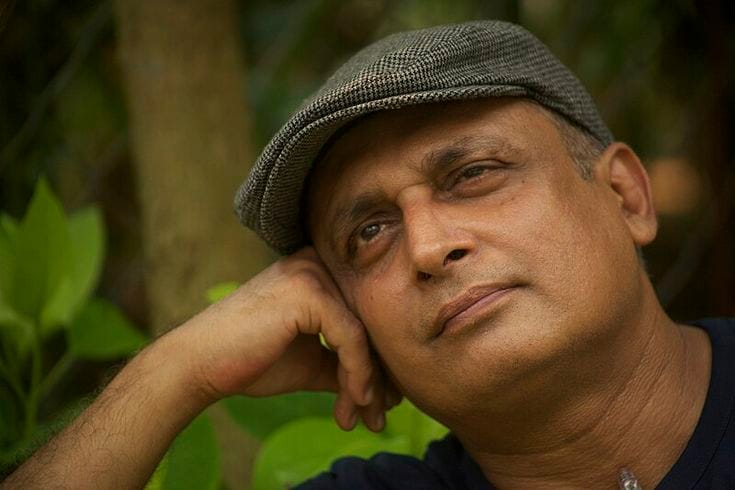
This image is only for illustrations.
Jharkhand Protest: The prolonged protest by Jharkhand’s government job aspirants received support from an unexpected public figure on Saturday when actor and singer Piyush Mishra visited the demonstration site in Ranchi. The actor met students protesting against alleged irregularities in recruitment examinations conducted by the Jharkhand Public Service Commission and Jharkhand Staff Selection Commission.
Mishra visited the Jaipal Singh Munda Stadium, where students have been staging an indefinite protest for more than two weeks. The aspirants are demanding cancellation of the 14th JPSC preliminary examination, an independent inquiry into alleged recruitment irregularities and reforms to make the state’s examination system more transparent.
Speaking to the media, Mishra said he decided to travel to Ranchi after watching interviews with some of the protesting candidates. “I saw the pain and suffering in their eyes, and I saw their tears. That was enough for me,” he said.
The actor also said assistance in the form of food, tarpaulins and financial support had already been provided to the protesters. Later, he sang “Aarambh Hai Prachand”, the song he wrote, composed and performed for the 2009 film Gulaal.
Why Piyush Mishra joined the protest
Mishra said his decision was not driven by a political affiliation or an attempt to promote a separate cause. He explained that watching the students speak about their experiences was enough to convince him that their situation required public attention.
“I did not come to extend my support for any other reason. I watched interviews with some of the students. I saw the pain and suffering in their eyes, and I saw their tears. That was enough for me,” he said.
The statement was significant because the student movement has tried to present itself as an independent campaign led by job aspirants. Students have repeatedly said that they want support from public figures and organisations but do not want the core demands of the movement to be diluted by party politics. This story was also covered by The Hindustan Times.
Mishra’s visit gave the protest wider visibility without formally changing its leadership. His support also brought attention to the conditions in which students have been protesting, including rain, uncertainty and hunger strikes.
Yeh issue kaafi important hai because public support can help student movements remain visible, but the focus must stay on verified allegations and concrete policy decisions.
Mishra offers practical assistance
Mishra said he wanted to do whatever was possible to help the protesting candidates. He mentioned food, tarpaulins and financial support as forms of assistance already provided to the protesters.
The practical support is relevant because students have been staying at the protest site for an extended period. Monsoon rain, irregular meals, lack of shelter and prolonged physical exertion can create serious health risks, especially for those participating in hunger strikes.
Tarpaulins can help protect protestors from rain, while food and medical support are necessary for students who are not fasting. Financial contributions can also help organisers arrange sanitation, drinking water, bedding and emergency care.
However, the actor’s contribution does not resolve the central issue. The students are still waiting for a formal government decision on the cancellation of the disputed examination and the nature of the proposed investigation.
‘Aarambh Hai Prachand’ at the protest site
A video from the protest showed Mishra singing “Aarambh Hai Prachand” for the students. The song, written, composed and sung by him for Gulaal, is known for its intense and revolutionary tone.
Its themes include courage, resistance, sacrifice and standing against injustice. The lyrics have often been used in public gatherings, student events and political demonstrations because they express anger and determination in a highly dramatic form.
At the Ranchi protest, the song took on a direct connection with the students’ demands. Aspirants have been describing their movement as a fight for fairness, merit and accountability. The performance allowed them to express solidarity without a formal speech or political slogan.
The song also connected Mishra’s artistic identity with the students’ struggle. Rather than offering only a statement to the media, he participated in the atmosphere of the protest through music.
The performance does not establish the truth of the allegations against JPSC or JSSC. It reflects support for the students’ demand for a fair investigation and a transparent recruitment process.
What are the students demanding?
The protesters have been demonstrating over alleged irregularities in the 14th JPSC Combined Civil Services preliminary examination and other recruitment tests.
Their principal demands include:
Cancellation of the 14th JPSC preliminary examination.
Conducting a fresh examination under secure conditions.
An inquiry by the Central Bureau of Investigation.
A probe by retired High Court judges from outside Jharkhand if a CBI investigation is not ordered.
Investigation into the JSSC Combined Graduate Level examination.
A fast-track court for recruitment-related cases.
A fixed examination calendar.
Transparent procedures for setting, transporting and evaluating question papers.
Protection for students who report irregularities.
Public disclosure of the investigation’s findings.
The state government has already initiated a Criminal Investigation Department investigation, while several people have been arrested in connection with the wider allegations. JPSC chairman L Khiangte also resigned, and the Main examination was postponed.
Students say these steps do not address their main demand for an independent probe and a decision on the preliminary examination.
Background to the protest
The agitation began after the results of the 14th JPSC preliminary examination led to questions from candidates. Some aspirants alleged that answer sheets shared online suggested unusual patterns in the performance of selected candidates.
The claims have not been conclusively proved through a completed independent investigation. However, they generated suspicion and created pressure on the state government.
The dispute later widened to cover other recruitment examinations conducted by JPSC and JSSC. Students said the controversy reflected years of delays, changing schedules, unclear results and a lack of accountability.
The movement gained national visibility after the Cockroach Janta Party, a youth-led movement that supported a large examination protest in Delhi, extended support to the Ranchi students.
Piyush Mishra’s participation has now brought a cultural and entertainment-industry figure into the campaign, although the movement’s core demands remain administrative and legal.
Timeline
April 2026: The 14th JPSC Combined Civil Services preliminary examination is conducted.
July 2026: Results are announced; candidates begin raising allegations about the process.
July 22: JPSC chairman L Khiangte resigns.
July 25: Student protests begin in Ranchi.
July 29: Aspirants begin an indefinite sit-in at Jaipal Singh Munda Stadium.
Early August: Hunger strikes and talks with the state government intensify.
August 7: First formal talks fail to produce a final decision; students warn of an Assembly march on August 10.
August 8: Piyush Mishra visits the protest site, offers support and sings “Aarambh Hai Prachand”.
Also Read: No Breakthrough in First Talks; Jharkhand Students Continue JPSC Protest
Why This Matters
This matters because government recruitment exams determine the future of thousands of young people in Jharkhand. Candidates spend years preparing, often with limited financial resources and support from their families.
A disputed examination can create uncertainty for both successful and unsuccessful candidates. Those who believe they were unfairly denied selection want a fresh opportunity, while those who qualified fairly do not want to lose the benefit of their performance.
Mishra’s presence also matters because it shows how the protest has moved beyond a local administrative dispute. When a well-known actor and musician travels to the site after watching the students’ interviews, it indicates that the emotional impact of the movement is reaching a wider public.
At the same time, celebrity support must not replace a formal investigation. The government still has to examine the evidence, explain its findings and take action based on law.
In simple Hinglish, public support movement ko strength de sakta hai, lekin final justice evidence aur official decision se hi milega.
India angle
For Indian readers, the Ranchi protest reflects a nationwide concern over examination integrity. Students across India have protested over paper leaks, delayed results, disputed answer keys and alleged manipulation in recruitment tests.
Government employment remains highly desirable because it offers stable income, job security and social mobility. This is especially true in states where private-sector opportunities are limited.
The movement also highlights the growing role of celebrities and artists in public causes. Piyush Mishra’s support is different from a short social media post because he physically visited the protest site, spoke with the students and offered practical assistance.
His participation may encourage other public figures to engage with student movements, but it could also increase political scrutiny. The students will need to ensure that the central issue—fair recruitment—remains clear.
Analysis
The performance of “Aarambh Hai Prachand” was also symbolically effective. The song’s themes of resistance and courage match the tone of a protest that has continued through rain, hunger strikes and failed negotiations.
However, artistic support cannot settle the legal question. The allegations must be examined by an independent and technically competent body. The state government should publish a clear timeline for investigating the answer sheets, examination agency and result data.
The students’ demand for a CBI probe may be difficult for the state government to accept immediately, but it reflects a serious credibility gap. A judicial panel of retired judges and examination experts could offer an alternative if a CBI investigation is not ordered.
Mishra’s visit may increase pressure on the government, but the real impact will depend on whether officials move from assurances to a written decision.
What Next
The students are expected to continue their protest until the government responds to the demands. They have warned of a march towards the Jharkhand Assembly if no concrete decision is taken.
The health of protesters on hunger strike will remain a major concern. Medical teams and organisers will need to monitor those fasting and ensure that the situation does not become life-threatening.
The state government may hold another round of talks with student representatives and announce a committee or inquiry mechanism. It will also need to clarify the future of the 14th JPSC preliminary examination.
If the examination is cancelled, authorities will need to announce a fresh schedule, protect age eligibility and ensure that candidates do not face additional financial losses. If the result is allowed to stand, the government will need to publish a detailed explanation addressing the allegations.
Long term, JPSC and JSSC will require reforms involving secure question-paper handling, independent evaluation, a fixed recruitment calendar and accessible grievance systems.
Conclusion
Piyush Mishra’s visit to the Jharkhand students’ protest in Ranchi added a powerful cultural moment to an agitation that has continued for more than two weeks. By speaking about the students’ pain, arranging food and tarpaulins, offering financial assistance and singing “Aarambh Hai Prachand”, the actor showed solidarity with the aspirants’ demand for a fair recruitment system.
His presence may increase public attention, but the responsibility for resolving the dispute remains with the Jharkhand government. Students are seeking more than sympathy: they want cancellation of the disputed examination, an independent investigation and reforms that prevent future irregularities.
The song may have given the protesters fresh energy, but the movement’s next chapter will depend on official action. If the government provides a transparent, time-bound process, the protest could move toward resolution. If assurances continue without decisions, the agitation is likely to grow further.
Written By A. Jack