
The Maharashtra government is preparing to move the Supreme Court against a Bombay High Court ruling that favoured private entities in a disputed 254.88-acre land case in Mira Bhayandar. Revenue Minister Chandrashekhar Bawankule said the state will file a Special Leave Petition to protect what it calls public property worth hundreds of crores.
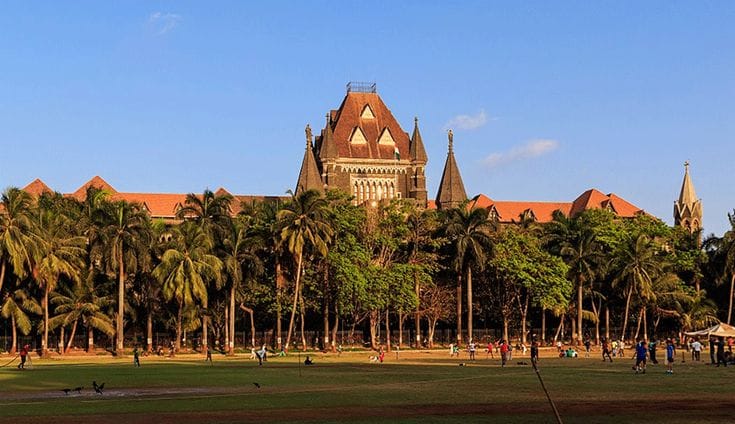
The Maharashtra government officials and legal teams are gearing up to challenge the high-value land dispute in Mira Bhayandar in the Supreme Court. [This Image is only for representation.]
The Mira Bhayandar land row has now turned into a major legal and political flashpoint, with the state government saying it will contest the Bombay High Court’s April 30 order before the Supreme Court. The dispute involves nearly 254.88 acres in Mouje Bhayandar, a parcel the government says is public land that was wrongly shown in private names through changes in revenue records over several decades.
What Happened
The core issue is ownership of a large and commercially valuable plot in the Mira-Bhayandar region near Mumbai. The Maharashtra government says the land is state-owned and that record changes made since 1948 were unauthorized, with the names of private entities and the Salt Department being inserted into the revenue papers at different times. NDTV has covered the full story.
According to the Revenue Department, the land records were allegedly altered without approval from the state government, first showing “Estate Investment Company,” then “Mira Salt Works,” and later the Central Government’s Salt Department in 1958 because the land was being used as salt pans. The dispute was earlier examined by the Thane District Collector, who in 2002 rejected the claims of Mira Salt Company and held that the land vested with the Maharashtra Government.
However, the private companies and the Salt Commissioner challenged that order in 2019 before the Bombay High Court. On April 30, 2026, the High Court rejected the appeal filed by the Salt Commissioner and ruled in favor of Mira Salt Works, effectively recognizing the company’s claim over the land. The state now says it will challenge that ruling in the Supreme Court through a Special Leave Petition.
Why The State Is Objecting
The state government’s main argument is that the High Court decided the dispute on merits even though the appeal was primarily about maintainability. In other words, the government believes the court went beyond the procedural question and gave a ruling that could have wider consequences for public land ownership.
Officials are also concerned that the judgment could help a private developer, Mira Real Estate Developers, retain rights over land the state considers to be public property. That is why this case is not being treated as an ordinary land dispute. It is being seen as a test case for how historical land entries, old lease arrangements, and later ownership claims should be interpreted in Maharashtra.
What The Government Says
Revenue Minister Chandrashekhar Bawankule has taken a strongly defensive position, saying the state will not allow government land to be taken away through alleged tampering of records. He said, “The land belongs to the state government. We will firmly crush all attempts to grab government land by tampering with revenue records,” adding that the government will challenge the High Court order in the Supreme Court to protect public property.
The minister also said the state will rely on the Maharashtra Land Revenue Code, 1966, particularly Section 29(3)(c), which deals with “Occupants – Class II” and rights over unalienated land under old lease arrangements. The government’s likely position is that such provisions do not automatically convert a lease or recorded occupancy into full ownership in a way that defeats the state’s title.
Background And Context
This case sits at the intersection of land law, revenue records, and urban development. Mira Bhayandar is one of the fastest-changing belts near Mumbai, and land values there have increased sharply over the years. That makes any dispute over 254.88 acres especially sensitive because the commercial stakes are enormous.
The history of the land also matters. If the government’s account is correct, the disputed parcel changed hands on paper through multiple entries over time without the proper approval process. Such historical disputes are common in salt pan zones and older leasehold properties, where records may stretch back decades and the legal status of the land is often complicated by colonial-era or early post-independence arrangements. Yeh issue kaafi important hai because revenue records may look official, but their legal validity can still be contested if the chain of title is unclear.
Timeline
1948: The government says unauthorized changes begin in the land records.
1958: The Central Government’s Salt Department is entered into the records because the land is being used as salt pans.
2002: The Thane District Collector rejects Mira Salt Company’s claims and rules that the land belongs to the Maharashtra Government.
2019: Mira Salt Works and the Salt Commissioner challenge the Collector’s order in the Bombay High Court.
April 30, 2026: The Bombay High Court rules in favor of Mira Salt Works.
May 2026: Maharashtra announces it will file an SLP in the Supreme Court.
This timeline shows that the dispute is not new at all. It has been moving through administrative and judicial channels for decades.
Also Read: Mumbai Customs Seize Rs 20 Crore Hydroponic Weed at Airport
Why This Matters
This matters because the land is not just large; it is extremely valuable, and the outcome could affect public property in a rapidly urbanizing region near Mumbai. If the state loses ownership of land it considers government property, it could set off similar claims in other old land disputes across Maharashtra.
It also matters because the case touches public trust in land records. When citizens hear that entries may have been changed over decades, it raises a bigger question: how secure are property records in India, especially in high-value urban zones? For local residents, developers, and anyone watching Mumbai’s extended urban fringe, this dispute is a reminder that land titles can become highly contested when historical records are unclear. In simple words, yeh sirf legal fight nahi hai—it is about who controls valuable land and on what basis.
Maharashtra Angle
For Maharashtra, this case has both political and administrative significance. The government is positioning itself as a defender of public land, which is likely to resonate with voters and also with departments responsible for revenue protection. At the same time, the Mira-Bhayandar belt is one of the most sensitive real estate corridors in the Mumbai Metropolitan Region, so any legal shift here could influence future development plans, approvals, and property valuation.
There is also a governance angle. If the state wins, it may strengthen the principle that old revenue entries cannot override government title without clear legal backing. If it loses, private claimants in other long-running disputes may get fresh hope. That is why the case is attracting so much attention across Maharashtra.
Analysis
My assessment is that the government is likely to frame this as a matter of record integrity rather than only ownership. That is a smart legal and public message because land cases often become harder to defend if they appear purely commercial. By stressing tampering, government titles, and public property, the state is turning the case into a larger question of institutional credibility. In a fast-growing city belt like Mira-Bhayandar, such disputes often become symbolic of the bigger urban land crunch.
What Next
The next step will be the filing of the Special Leave Petition in the Supreme Court. Once that happens, the top court may decide whether to admit the challenge and examine the legal questions raised by the state.
If the Supreme Court agrees to hear the matter, the case could become a major precedent for old leasehold and salt pan land disputes in Maharashtra. If the state succeeds, it may protect its claim over the land and strengthen similar government ownership arguments elsewhere. If it does not, the private entities may gain a firmer legal path to the property. Either way, this case is likely to stay in the headlines for a while.
Conclusion
The Mira Bhayandar land row has now become one of Maharashtra’s most closely watched legal battles, with the state preparing to challenge a Bombay High Court order that favored private entities over 254.88 acres of prime land. The government says the land belongs to the state and alleges that revenue records were altered over decades to support private claims.
With the Supreme Court challenge now expected, the dispute is moving into its next and perhaps most decisive stage. Beyond the legal arguments, the case is important because it raises bigger questions about public land protection, historical record integrity, and the future of high-value property disputes in the Mumbai region.
Written By A. Jack