
The Maharashtra government has acquired the iconic Air India building at Nariman Point for Rs 1,601 crore, a key step in its plan to consolidate offices in south Mumbai. The landmark facing the sea, which once was a symbol of Air India’s prestige, will now be developed into a model government complex.
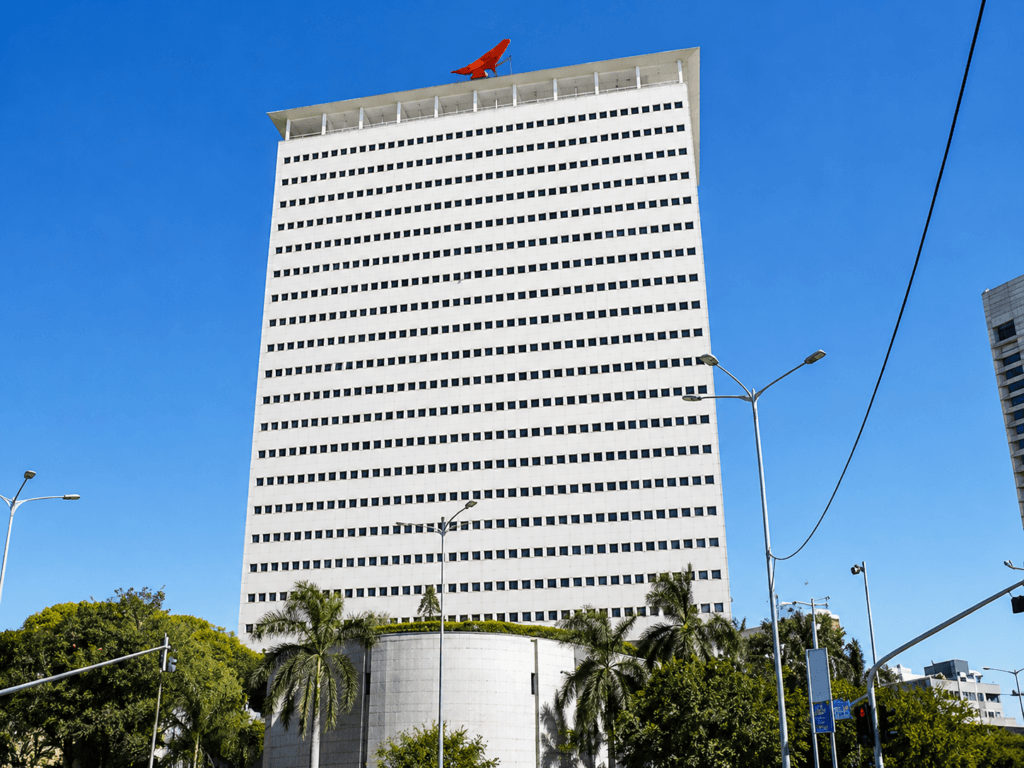
The iconic 23-story Air India building at Nariman Point in south Mumbai after its acquisition by the Maharashtra government for office consolidation.
In a significant real estate and administrative move, the Maharashtra government has acquired the iconic Air India building in south Mumbai for Rs 1,601 crore. The transfer of agreements between Air India Assets Holding Company and the state Public Works Department was completed at Mantralaya in the presence of Chief Minister Devendra Fadnavis after a cabinet meeting on Tuesday, according to an official release.
The 23-storey sea-facing tower at Nariman Point has long been one of Mumbai’s best-known landmarks. Built in 1974 on reclaimed state government land, it was once a point of fascination for visitors and remains a defining feature of the city’s skyline. Now, the building is set for a new role: housing government offices and easing the state’s long-standing space crunch in prime South Mumbai. Yeh decision kaafi important hai because it combines heritage, administration, and urban planning in one move.
What the Deal Means
The acquisition is not just a property transaction. It is a strategic shift aimed at bringing multiple government departments under one roof in a high-value commercial zone near Mantralaya. The Maharashtra government has been facing a shortage of office space in South Mumbai for years, and the Air India building offers more than 45,000 square meters of usable structure for consolidation. NDTV has covered the full story.
The deal gained momentum after the state cabinet approved the purchase in November 2023. Along with the Rs 1,601 crore acquisition cost, the state also decided to waive around Rs 298 crore in unrealized income and interest dues owed by Air India Assets Holding Limited. Final approval from the center came in March 2024, and the transaction moved closer in April this year when the Finance Department transferred Rs 1,600 crore to the Public Works Department for finalizing the agreement.
That sequence shows this was not a sudden decision. It was a carefully negotiated transfer involving state and central approvals, financial clearances, and asset restructuring after Air India’s privatization.
Why the Building Matters
The Air India building has always carried symbolic weight. It is one of the most visible structures in Nariman Point, a district that once represented the peak of Mumbai’s commercial prestige. For many people, the building is not just an office tower but a piece of city memory. In its early years, people even visited to experience the elevators and enjoy the views from the sea-facing location.
After Air India was privatized and acquired by the Tata Group, its non-core assets, including this building, were transferred to Air India Assets Holding Limited. That made the building available for sale or reassignment, and Maharashtra saw a rare opportunity to secure prime property for public administration rather than private commercial use.
From a governance perspective, this is significant because land in south Mumbai is extremely scarce and expensive. Acquiring such a building for government use is unusual, but it may prove smart if the state can reduce rentals and improve coordination across departments. The real challenge, however, will be making the building functional, safe, and efficient for long-term use.
Structural Audit and Renovation Plans
After taking possession, PWD Minister Shivendrasinh Bhosale directed officials to carry out a comprehensive structural audit before any government office shifts into the building. He said all necessary repairs must be completed first, and interior renovation should begin only after structural safety concerns are fully addressed.
That is a sensible approach. Large commercial towers, especially older ones, need proper evaluation before conversion into government premises. Electrical systems, safety fittings, fire compliance, and technical infrastructure all need to be checked and upgraded if necessary. The minister also stressed that refurbishment should focus on quality and long-term sustainability rather than quick cosmetic changes.
He further said the main entrance should be redesigned to reflect Maharashtra’s heritage and suggested involving leading architects and expert agencies in the project. That gives the plan a more public-facing and cultural dimension, not just a bureaucratic one. If executed well, the building could become a modern administrative hub with a distinct Maharashtra identity.
Official Statements
Minister Bhosale said the transfer marks an important milestone in strengthening the state’s administrative infrastructure. He added that the building would be developed as a model government complex with priority given to quality, sustainability, and citizen convenience.
That statement reflects the government’s broader intent. It is not simply trying to occupy an empty building. It wants to reshape the property into a more efficient civic asset. The focus on citizen convenience is also notable because it suggests the state may use the site to centralize services and reduce the friction people face while dealing with multiple departments.
Officials present at the handover included Deputy Chief Minister Sunetra Pawar, Tourism Minister Shambhuraj Desai, Public Works Minister Shivendrasinhraje Bhosale, Chief Secretary Rajesh Agrawal, Additional Chief Secretary (PWD) Milind Mhaiskar, Mumbai City Collector Anchal Goyal, and Air India officials. Their presence underscores the importance attached to the transaction at the highest administrative level.
Also Read: Surat Highway Horror: 7 Dead, 15 Injured in Maharashtra ST Bus Collision
Background and Timeline
This deal has been in discussion for several years because the Maharashtra government has long struggled with office space near Mantralaya. South Mumbai remains the administrative heart of the state, but usable government property there is limited and highly valuable.
Timeline
1974: The Air India building is constructed on reclaimed government land at Nariman Point.
2021: The Maharashtra government begins formal talks for acquiring the property.
November 2023: The state cabinet approves the purchase for Rs 1,601 crore and waives unpaid dues of around Rs 298 crore.
March 2024: The Centre gives final approval for the transfer.
April 2026: The Finance Department transfers Rs 1,600 crore to PWD to complete the agreement.
Tuesday, current handover: The ownership transfer was completed at Mantralaya in the presence of the Chief Minister.
That timeline shows how long such land and asset transfers can take in India, especially when they involve public money, central approval, and restructuring of a high-value property.
Why This Matters
This matters because government administration in Mumbai is often stretched across multiple buildings and rental arrangements. Consolidating offices in a single, centrally located property could improve efficiency, reduce rent costs, and make citizen access easier. That is a practical advantage, not just a symbolic one.
It also matters because the state is acquiring a landmark building instead of leaving it solely to commercial use. In a city like Mumbai, where premium real estate is always under pressure, public ownership of such a property has long-term strategic value. Yeh issue kaafi important hai because urban land in Mumbai is among the most expensive in India, and every square meter counts.
There is also a heritage angle. The Air India building is part of the city’s architectural memory. If the renovation respects both function and design, the government could create a public asset that serves people while preserving an iconic urban structure.
India Angle
The India angle here is especially strong because this is a story about public infrastructure in one of India’s most important cities. Mumbai is not only Maharashtra’s capital in practical terms; it is also a national economic center. Decisions about land use in south Mumbai often have ripple effects across business, governance, and urban planning.
In Hinglish, the seedhi baat yeh hai: when office space is costly and scattered, the government needs an asset that gives long-term value. This acquisition may help Maharashtra manage its admin load better while also reducing dependence on rented private spaces. For Indian readers, it shows how governments can use strategic property purchases to solve everyday administrative problems.
It also sends a signal that old commercial assets can be repurposed for public use when the opportunity arises. In a country where land scarcity is a major urban issue, this kind of move is worth watching.
Analysis
My view is that this acquisition is both practical and politically smart. Practically, it gives the state a rare asset in a high-value area where it can consolidate departments and cut rental spending. Politically, it allows the government to present itself as decisive about administrative reform and heritage-sensitive urban planning. The real test will be execution. If renovation drags on or the building is not efficiently repurposed, the benefit could be diluted. But if the state moves quickly on structural audit, design, compliance, and office relocation, this could become a model for how governments use premium real estate in a smarter way.
What Next
The next phase will involve a structural audit and detailed renovation planning. Officials will need to assess the tower’s safety, electrical systems, fire compliance and interior layout before any departments are shifted in.
After that, the government is likely to finalize how different offices will be distributed inside the complex. The aim will be to create a functional administrative hub that reduces duplication and improves coordination. If the redesign goes well, the building could eventually become one of Mumbai’s most important government centers.
There may also be public interest in how the heritage character of the tower is preserved during redevelopment. Since the building is a familiar landmark, the state will likely want the new design to reflect both Maharashtra’s identity and the structure’s iconic past. That balance will matter a lot.
Conclusion
The Maharashtra government’s acquisition of the Air India building for Rs 1,601 crore is a major administrative and urban development move for Mumbai. It solves a long-running office space problem while also bringing a famous Nariman Point landmark under public ownership.
The deal carries financial, operational, and symbolic value. If the state follows through with careful renovation and efficient consolidation, the building could become a model government complex that serves both officials and citizens. In a city where space is scarce and costs are high, this is a timely and strategic investment in public infrastructure.
Written By A. Jack