
Monkeys stopped a moving MSRTC bus in Yavatmal’s Khandala Ghat in the Vidarbha region, making the wildlife’s tough time in the intense summer heat and water scarcity even more difficult. The reported unusual incident around 3 pm on Wednesday has highlighted how extreme temperatures are affecting animals as much as people in Maharashtra.
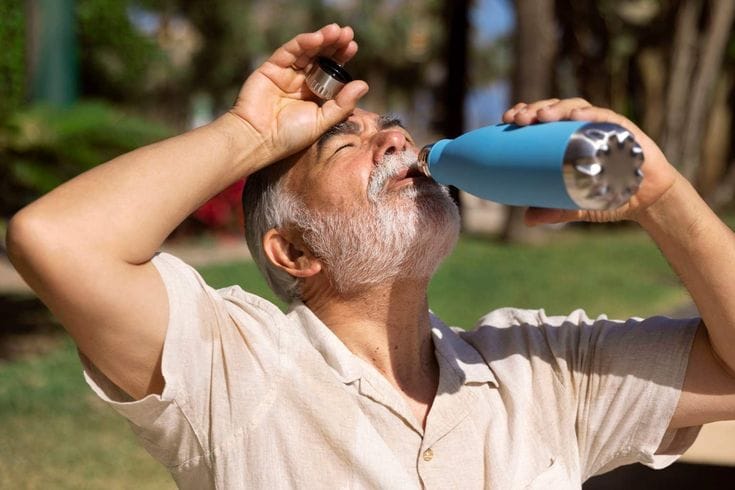
Passengers on an MSRTC bus in Yavatmal district stopped to help dehydrated monkeys near Khandala Ghat during Maharashtra’s intense summer heat. [This Image is only for representation.]
Maharashtra Heatwave
A startling incident from Maharashtra’s Vidarbha region has brought the human impact of summer heat into sharp focus, but this time through the eyes of wildlife. In Yavatmal district’s Khandala Ghat near Pusad, a group of thirsty monkeys reportedly stopped a moving Maharashtra State Road Transport Corporation (MSRTC) bus on Wednesday afternoon, apparently in search of water.
The bus was traveling from Washim to Pusad when, around 3 pm, a monkey suddenly ran onto the road and stood in front of the vehicle, forcing the driver to halt. What happened next was not a routine traffic stop but a moment that left passengers emotional and concerned. The monkeys seemed dehydrated and desperate, and the incident quickly became a reminder of how severe summer conditions are affecting animals in forest-adjacent areas. Yeh scene kaafi emotional tha because it showed wildlife struggling directly with the heatwave conditions many people are already experiencing.
What Happened
According to the passengers, the bus was moving through the forested Khandala Ghat stretch when a monkey ran onto the road and blocked its path. After the bus stopped, more monkeys reportedly gathered near the spot. The behavior suggested that the animals were not merely crossing the road randomly but possibly searching for water in the scorching afternoon heat. NDTV has covered the full story.
The timing of the incident is important. Mid-afternoon in Vidarbha can be extremely harsh during peak summer, and forest patches near roads often become hot, dry, and difficult for animals to navigate. In such conditions, monkeys and other wildlife may move closer to human routes, settlements, or passing vehicles in the hope of finding accessible water sources.
What makes this story stand out is the way the passengers responded. Rather than treating the monkeys as a nuisance, they reportedly recognized the distress of the animals and tried to help. The emotional reaction from the bus riders underlines a growing awareness that wildlife is also suffering from the same climate and water stress that affects rural communities across central India.
Why the Incident Happened
The most likely reason behind the monkey’s behavior is dehydration caused by extreme summer heat and limited access to drinking water. Khandala Ghat is a forested stretch, but even natural habitats can become dry during heatwaves, especially when water holes shrink, streams weaken, or shaded areas no longer provide enough relief.
Monkeys are highly adaptive animals, but they are also vulnerable to prolonged heat and scarcity. When water becomes difficult to find, they may move toward roads, vehicles, and roadside areas where human activity increases the chance of finding something to drink. While the story does not confirm that the monkeys were physically given water at the exact moment, the context strongly suggests that thirst was the key driver.
There is also a broader environmental factor at work. Maharashtra, especially the Vidarbha belt, is no stranger to intense summer conditions. Repeated heat stress can affect both urban and forest ecosystems. When temperatures remain high for long periods, wildlife movement patterns change. Animals may come closer to roads, which increases risk for both them and motorists. In simple words, when paani kam hota hai aur garmi zyada hoti hai, animals also come into survival mode.
Human Response and Emotional Impact
One of the most striking parts of the incident is the passengers’ response. Even though the monkeys stopped their bus and caused an unexpected delay, the event apparently moved the people on board. That emotional response matters because it reflects how ordinary travelers are increasingly aware of the link between climate stress and wildlife behavior.
In many such situations, people might react with irritation or fear. But here, the reaction seems to have been one of empathy. That is important because it points to a changing public mindset. Many citizens now understand that these encounters are not random disruptions; they are warning signs about environmental pressure. A bus being stopped by monkeys may sound unusual, but the underlying reason is deeply serious.
Background
Vidarbha often makes headlines for heatwaves, water stress, and agricultural hardship, but this incident adds a wildlife angle to the broader summer story. Forest-edge roads and ghats frequently become zones where human movement and animal survival intersect. During peak summer, animals may leave deeper forest cover and approach road margins, farms, or settlements in search of shade and water.
This is not the first time Maharashtra has seen heat-related distress among animals. Summer conditions in central India often lead to reports of birds, monkeys, and other wildlife depending more heavily on scarce water sources. Such incidents usually rise when water availability drops and roadside habitats become hotter and drier. The Khandala Ghat episode is therefore not an isolated oddity. It is part of a bigger seasonal pattern that repeats when heat intensifies and natural water sources shrink.
Timeline
Wednesday, around 3 pm: An MSRTC bus travels from Washim to Pusad through Khandala Ghat.
During the journey: A monkey runs in front of the bus and forces it to stop.
Moments later: More monkeys gather near the road, apparently distressed and thirsty.
After the stop: Passengers observe the animals’ condition, and the incident draws attention to the heatwave.
Broader context: The event highlights wildlife stress in Maharashtra’s summer conditions.
Also Read: 2 Minors Stabbed to Death in Delhi’s Rohini Over Old Rivalry, Police Say
Why This Matters
This matters because it shows how climate and heatwave conditions are affecting not just people but also wildlife. When animals begin approaching roads and vehicles in search of water, it is often a signal that natural habitats are under pressure. Such encounters can become dangerous for both the animals and commuters if they lead to accidents, stress, or aggressive behavior.
It also matters because it reminds us that heatwave reporting is not only about temperature readings and electricity demand. Real-life consequences are happening in villages, forests, and highway corridors every day. A thirsty monkey stopping a bus is a small incident on the surface, but it points to a larger issue of ecological stress. Yeh issue kaafi important hai because it connects wildlife welfare, climate change, and public awareness in one moment.
India Angle
For Indian readers, this story resonates strongly because heatwaves are becoming a recurring summer reality across large parts of the country. States like Maharashtra, Rajasthan, Uttar Pradesh, Madhya Pradesh, and Telangana regularly experience severe heat stress, and its effects go beyond humans. Wildlife, livestock, and birds are all impacted when water becomes scarce.
The India angle here is also about coexistence. Road networks often cut through forest zones, hills, and rural habitats, creating direct contact between people and animals. When summer peaks, the boundary becomes even thinner. This is why local water conservation, wildlife-friendly planning, and roadside protection matter so much. In Hinglish, yeh sirf ek bus incident nahi hai—it is a reminder that human routes and animal habitats are closely linked in India’s climate reality.
Analysis
My opinion is that this incident should not be treated as just a cute or unusual viral story. It is actually a warning sign. When wild animals are visibly struggling enough to block a bus, it suggests the local environment is under pressure. The emotional response from passengers is encouraging, but the bigger need is preventive action: water points in forested stretches, better monitoring during peak summer, and more awareness about wildlife movement near roads. This kind of incident is exactly why climate stories should be written with both empathy and context.
What’s Next?
The next step is not a formal investigation but a public awareness moment. Incidents like this often prompt people to talk more seriously about heatwave safety, water conservation, and animal welfare. Local authorities and forest officials may also pay closer attention to areas where wildlife is likely to approach roads during summer.
If such situations continue, there may be a stronger push for roadside water arrangements in forest-adjacent stretches and more coordinated summer response plans. For travelers, the incident is a reminder to stay alert in ghat sections and to avoid reacting aggressively when animals come close. For environmental observers, it is another sign that climate adaptation is no longer a future problem — it is already here. The next few summers may bring more such stories unless water stress is addressed more seriously.
Conclusion
The incident in Yavatmal’s Khandala Ghat, where monkeys stopped an MSRTC bus in search of water, is a powerful reminder of how brutal Maharashtra’s summer heat can be. What appeared to be a strange road moment was actually a distress signal from wildlife struggling to cope with dehydration and extreme temperatures.
The passengers’ response showed empathy, but the bigger lesson is about the environment. As heatwaves intensify, the impact spreads across people, animals, and transport corridors alike. This story matters because it is not just about monkeys on a road—it is about a climate reality that is becoming harder to ignore.
Written By A. Jack