
A fishing boat capsized near Khar Danda in Mumbai’s western suburbs on Thursday evening, leaving one fisherman dead and another injured. The incident took place around 6.15 pm near Lighthouse, Warin Pada, in Khar (West) and the cause of the fire is being ascertained, officials said.
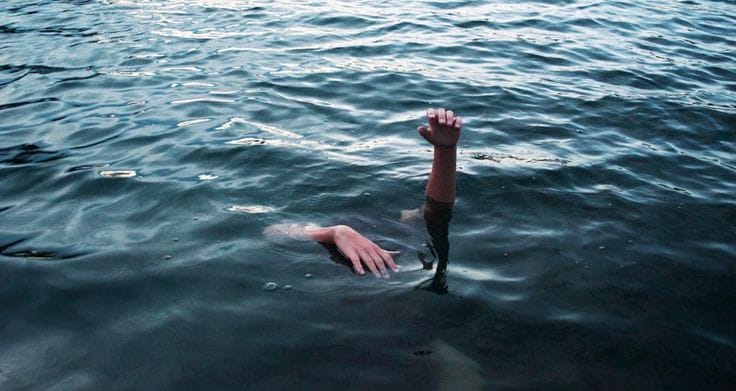
Rescue and investigation efforts after a fishing boat capsized near Khar Danda in Mumbai, killing one fisherman and injuring another.
A tragic boating accident in Mumbai’s Khar Danda area has claimed the life of one fisherman and left another injured after their fishing boat overturned in the sea on Thursday evening. According to officials, the incident took place near Lighthouse, Warin Pada, in Khar (West) around 6:15 pm and was later reported to Khurshitji Beharamji Bhabha Hospital at 8:28 pm.
The two men on board were identified as Ashok Kishan Rathod, 55, and Ketan Rathod, 32. Both were pulled out after the boat capsized and were shifted for medical attention. Ashok was declared brought dead on arrival, while Ketan was found in stable condition and later discharged against medical advice. The incident has triggered an inquiry into whether safety protocols were followed and what caused the boat to overturn. Yeh incident kaafi serious hai because coastal fishing remains a livelihood for many families, and such accidents can happen in seconds.
What Happened at Sea
Officials said the fishing boat capsized while the two men were out fishing in the sea near Khar Danda. The exact reason for the overturning is still not clear, but the timeline suggests the incident happened suddenly and was serious enough to require immediate rescue and hospital intervention. The Mid Day has covered the full story.
The boat was operating near Lighthouse, Warin Pada, an area where fishing activity is common. Since only two men were on board, the accident may have been limited in scale, but the consequences were severe. One fisherman lost his life, and the other survived with injuries. In such incidents, even a small shift in sea conditions, balance, or weight distribution can lead to disaster.
Authorities are expected to examine the weather, sea movement, and any safety measures that were in place during the fishing activity. Investigators will also likely look into whether life jackets, boat stability checks, or other standard precautions were being used. In a city like Mumbai, where the sea is both a livelihood source and a safety risk, these details matter a lot.
The Victims and Medical Response
The two men were identified as Ashok Kishan Rathod, aged 55, and Ketan Rathod, aged 32. Both were rescued after the accident and taken for medical attention. Ashok was declared brought dead at the hospital, which means doctors could not revive him after arrival.
Ketan Rathod was found to be in stable condition. He was later discharged against medical advice, often referred to as DAMA. That means he chose to leave the hospital before completing the recommended treatment or observation. While that may happen for personal or family reasons, it also means doctors were not able to keep him under full medical supervision.
The fact that one victim died and the other survived does not lessen the seriousness of the incident. It highlights how unpredictable such maritime accidents can be. A small fishing trip can turn into a fatal event if the boat loses balance or sea conditions become difficult.
Why the Boat May Have Capsized
The exact cause of the capsizing has not yet been confirmed, but officials have begun a preliminary inquiry. They are expected to examine sea conditions, the weight load on the boat, and any safety arrangements that were present at the time.
In fishing communities, boat stability depends on several factors. If a boat is overloaded, unevenly balanced, or caught in rough water, the risk of capsizing rises sharply. Sudden waves, strong currents, or even a momentary loss of control can be enough to flip a small vessel. That is why local fishermen often depend not just on skill but also on weather judgment and safety readiness.
If safety protocols were not followed, that could become an important angle in the investigation. Officials will likely want to know whether the boat was properly equipped, whether the crew had communication support, and whether any warning signs were ignored before heading out to sea. Without these details, the incident remains a tragic but not yet fully explained accident.
Coastal Risk Context
Mumbai’s coastline supports a large number of fishing families and small fishing operations. These communities depend on the sea for daily income, but that also means they live with constant risk. Boats can be small, weather can change quickly, and even routine fishing trips can become dangerous when conditions turn unfavorable.
Such accidents are not isolated to one locality. Across coastal Maharashtra, fishermen often face risks linked to sea currents, mechanical issues, low visibility, and poor weather. That is why marine safety remains a major concern for both local authorities and coastal workers. When a boat capsizes near a populated coastal zone like Khar Danda, it also raises questions about rescue speed, preparedness, and how quickly medical help can be reached.
This incident may appear small compared with large disasters, but for local fishermen, it is deeply significant. One death means one family suddenly loses a breadwinner or relative. One injury can also mean temporary loss of income and emotional strain. In a livelihood-driven community, such losses ripple far beyond the accident site.
Timeline
Thursday, around 6:15 pm: A fishing boat capsizes near Lighthouse, Warin Pada, Khar Danda in Khar (West), Mumbai.
Soon after: Two fishermen, Ashok Kishan Rathod and Ketan Rathod, are pulled out of the sea.
8:28 pm: The incident is reported by Khurshitji Beharamji Bhabha Hospital.
Hospital response: Ashok is declared brought dead; Ketan is found stable.
Afterward: Mumbai Police respond and begin a preliminary inquiry.
Next steps: Officials are expected to examine weather conditions, sea movement, and safety arrangements.
Also Read: Clashes in Mumbai’s Mira Road Over Alleged Goat Sacrifice Ahead of Eid al-Adha
Why This Matters
This matters because it is not just a one-off accident—it reflects the everyday risks faced by people whose work depends on the sea. Fishing communities often work with limited safety margins, and when accidents happen, help may arrive too late. That makes prevention, training, and equipment far more important than post-incident response.
It also matters because coastal safety is a local governance issue as much as a livelihood issue. If small boats are not properly checked or if weather risks are underestimated, tragedies can repeat. Yeh issue kaafi important hai because it reminds authorities and communities that sea safety needs constant attention, not just after a death has occurred.
India Angle
The India angle here is clear: thousands of coastal families across Maharashtra and other states rely on fishing for daily survival. Mumbai, despite being a financial capital, still has active fishing belts where the sea remains central to local life. A boat capsizing near Khar Danda is not just a Mumbai incident; it is part of a larger Indian coastal story.
In Hinglish, seedhi baat yeh hai: samundar rozi bhi deta hai aur risk bhi. For many Indian fishing families, there is no substitute livelihood waiting if a boat is lost or a fisherman is injured. This makes marine safety, rescue response, and insurance support especially relevant in India’s coastal zones.
Analysis
My opinion is that the most important issue here is not only the accident itself but also what it may reveal about safety readiness in coastal fishing areas. Small fishing boats are often vulnerable to sudden sea movement, and if weather warnings, rescue support, or equipment standards are weak, similar incidents can happen again. The hospital response appears to have been relatively quick, but the fact that one fisherman was declared brought dead shows how unforgiving such accidents can be. Going forward, the focus should be on whether the boat was seaworthy, whether the weather was known to be risky, and whether the fishing crew had enough protection. That is the kind of inquiry that can help prevent repeat tragedies.
What Next
The next step will be the police and relevant authorities completing the preliminary inquiry. They will likely speak to witnesses, check the condition of the boat, and verify whether the fishing trip followed local safety norms. Weather records and sea movement patterns may also help determine whether the capsizing was caused by natural conditions or by operational lapses.
If the inquiry finds safety failures, there could be pressure to strengthen checks on fishing boats in the area. If the cause was purely environmental, officials may still advise stricter caution during fishing hours and harsher weather conditions. Either way, the incident may lead to fresh discussions with local fishing communities about safety awareness, rescue readiness, and emergency response.
Conclusion
The fishing boat accident near Khar Danda has ended in tragedy, with one fisherman dead and another injured after their boat capsized in the sea on Thursday evening. Ashok Kishan Rathod was declared brought dead, while Ketan Rathod survived and was later discharged against medical advice.
As investigators work to determine what caused the capsizing, the incident stands as a reminder of how fragile life can be for coastal workers. For Mumbai’s fishing communities, the sea remains both a source of income and a source of danger. The hope now is that the inquiry brings clarity — and that better safety measures can help prevent another loss like this.
Written By A. Jack