
The city is getting a break from the downpour, but officials are warning more heavy rain could return later in the day. The ferocity of Monday’s monsoon across India brought deaths, landslides, flash floods and major transport disruption.
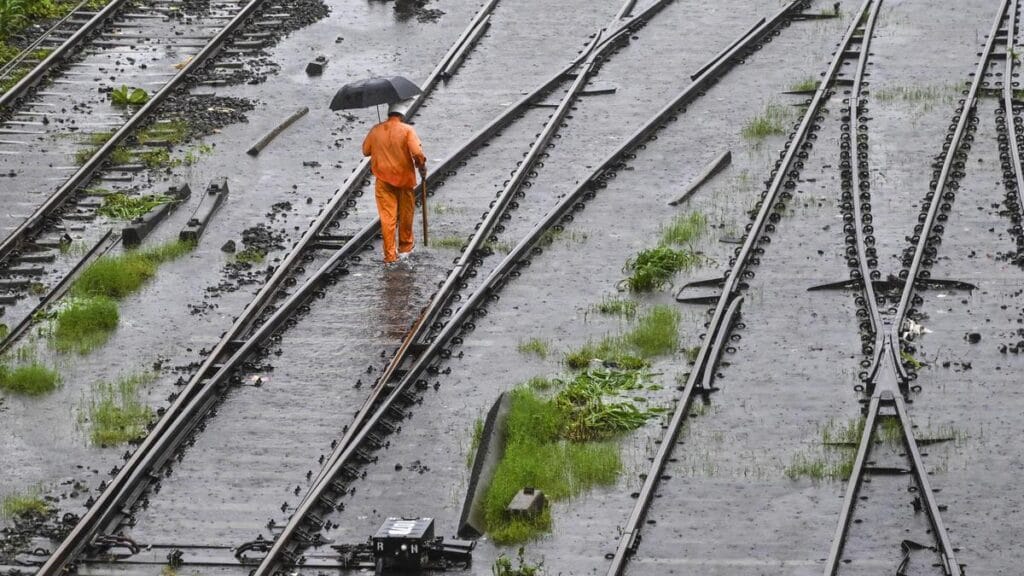
A rain-hit Mumbai morning as the city remains under an IMD orange alert and educational institutions stay shut. Image Credit: TheHindu
Mumbai Schools Closed: Mumbai was granted only a brief pause on Tuesday morning after two straight days of heavy rainfall brought the city and neighbouring districts close to a standstill. Though significant rain was not recorded in the morning, the skies remained overcast and strong winds continued to signal that the monsoon was far from over. In response to the weather risk, the India Meteorological Department issued an orange alert for Mumbai, forecasting heavy rain and gusty winds through the day.
The situation has already led to precautionary closures of schools and colleges in the city, a move designed to reduce travel risk for students and staff. Across Maharashtra and other states, Monday’s monsoon destruction had already claimed lives, triggered landslides and disrupted rail, road and air travel. Yeh update kaafi important hai because Mumbai’s weather is no longer just a local inconvenience – it is part of a much larger monsoon emergency unfolding across India.
What Happened in Mumbai
Tuesday morning brought a brief window of relief for Mumbaikars. Overcast conditions and strong winds remained, but there was no major rainfall recorded early in the day. After the chaos of the previous two days, that lighter spell may have felt like a breather, but it does not mean the danger has passed. TheHindu also covered this story
The IMD’s orange alert signals that the city should prepare for heavy rain and gusty winds. In weather terms, orange alert is not a low-level advisory. It means authorities and the public should stay alert because conditions can still turn disruptive. That is why schools and colleges were closed — not because the weather had already cleared, but because the risk of renewed downpour remained high.
This kind of decision is about prevention, not panic. When roads are waterlogged, local trains are delayed and visibility falls, keeping students off the streets becomes a practical safety step. In a city like Mumbai, where millions depend on public transport and road travel every day, even a few hours of intense rain can create a chain reaction of disruption.
Why the Rain Became So Severe
The current weather pattern is part of a larger monsoon system that has been active across India. Mumbai’s rain has been intense because the city is exposed to a mix of coastal moisture, cloud build-up and strong seasonal wind patterns. When these conditions align, rainfall can become concentrated and persistent.
On Monday, that monsoon system caused widespread destruction across several states. Maharashtra reported deaths, while Himachal Pradesh also saw casualties. Rail, road and air services were disrupted, flash floods and landslides hit Jammu and Kashmir, and towns in Odisha were inundated. That national-scale pressure matters because weather systems do not operate in isolation. When the monsoon strengthens, several regions often feel the effects at the same time.
Mumbai sits in a particularly vulnerable position because it is a dense coastal city with a complex drainage challenge. Even moderate rain can cause traffic issues. Heavy rain, especially over consecutive days, can push drains, roads and transport systems past their limits. That is why weather alerts in Mumbai are taken seriously and why the city often responds quickly with closures and advisories.
Statewide and National Impact
The rain problem is not limited to Mumbai alone. Monday’s monsoon wave brought tragedy and disruption across India, with Maharashtra among the worst-hit states. Railway lines, highways and airports felt the strain, while some hilly and flood-prone areas faced landslides or sudden waterlogging.
This national context matters because it shows that Mumbai’s weather is part of a bigger seasonal emergency rather than an isolated event. When multiple states are affected at once, emergency response systems get stretched. Rescue teams, transport authorities and civic bodies all need to manage their own local problems while also dealing with wider weather alerts.
For ordinary people, this means delays, cancellations, missed work and increased travel stress. For schools and colleges, it means precautionary closures and schedule changes. For businesses, it means reduced footfall and possible supply chain issues. The monsoon is not just about rain; it becomes a full-scale urban and regional disruption.
Official Response and Precautionary Measures
The closure of schools and colleges is one of the clearest precautionary steps taken in Mumbai today. Such decisions are typically made when authorities believe travel conditions could become unsafe or unpredictable. It is easier to keep students home than to deal with stranded buses, flooded routes or overcrowded stations if the rain worsens later.
The IMD’s orange alert also serves as a broader warning to citizens, civic agencies and transport operators. It is effectively a signal to stay prepared for heavy showers, gusty winds and possible localized flooding. That means people should avoid unnecessary travel, keep track of advisories and plan for delays.
In a city like Mumbai, monsoon readiness is not optional. It involves checking drainage, keeping pumps ready, monitoring low-lying roads and alerting the public early. The city has learned from repeated monsoon shocks, but every strong rain spell still tests how much progress has actually been made.
Background and Context
Mumbai has long had a difficult relationship with the monsoon. The city welcomes rain because it brings relief from summer heat and supports water supply, but it also fears the damage that comes with too much rainfall in too short a span. Waterlogging, road collapses, train delays and building vulnerabilities return every year as familiar monsoon problems.
This week’s situation comes after two days of intense rain that had already disrupted normal life. The latest orange alert indicates that the weather system is still active, which means the city cannot treat Tuesday’s calmer morning as the end of the storm. For residents, that uncertainty is often the hardest part — you may get a dry hour in the morning and a flood-prone evening later in the day.
On a national level, the monsoon has already exposed how vulnerable parts of India remain to sudden weather extremes. From landslides to flash floods, the same rain that fills reservoirs can also shut down entire regions. That is the complicated reality of the season.
Timeline
Sunday to Monday: Two days of intense rainfall disrupt life in Mumbai and nearby districts.
Monday, July 6, 2026: Monsoon destruction spreads across India, with deaths and major transport disruption reported in several states.
Tuesday morning, July 7, 2026: Mumbai wakes up to overcast skies and strong winds, but little significant rainfall early in the day.
Tuesday: IMD issues an orange alert for Mumbai, warning of heavy rain and gusty winds.
Tuesday: Schools and colleges in Mumbai are closed as a precaution.
Also Read: Mumbai Chawl Collapse Kills 6, Including 5 Children, in Mankhurd Heavy Rain Tragedy
Why This Matters
This matters because the monsoon in Mumbai has a direct impact on public safety, mobility and daily life. When rain is heavy enough to close educational institutions, it means the city has entered a risk period that can affect millions of people. Yeh issue kaafi important hai because it shows how one weather alert can reshape an entire day in a megacity.
It also matters because the timing is part of a larger national pattern. The same weather system that is causing disruption in Mumbai is also producing deaths, floods and landslides elsewhere in India. That makes the alert more than a local forecast — it is part of a seasonal crisis that requires coordination at multiple levels.
For families, the closure of schools and colleges is a reminder that safety comes first. For workers and commuters, it means building extra time into the day. For city planners, it is another reminder that drainage, transport and emergency systems need constant improvement.
India Angle
For Indian readers, Mumbai’s weather matters because it often sets the tone for how the country watches the monsoon. In Hinglish, seedhi baat yeh hai: jab Mumbai alert pe hota hai, toh baaki cities bhi zyada serious ho jaati hain. The city is such a major financial and transport hub that its weather disruptions have national attention.
This also resonates with people across India who live with monsoon uncertainty every year. Whether it is flooding in one city or landslides in another, the rain keeps testing infrastructure and preparedness. Many Indian families know the routine: check alerts, adjust travel, protect children and wait out the worst.
There is also a practical lesson here for students and parents. If the city closes schools and colleges, that is not just an inconvenience — it is a signal that conditions on the ground may become dangerous. Listening to advisories early can prevent bigger problems later.
Analysis
My opinion is that the city made the right call by closing educational institutions early. These decisions are always easier to criticize than to make, but in a high-risk rain situation, prevention is the wiser path. The cost of a missed class is small compared to the cost of a flooded commute or stranded students.
I also think the national context is important because it shows how widespread this monsoon event has become. When one day’s rain causes deaths in one state, transport failures in another and flooding elsewhere, it stops being just “bad weather” and becomes a governance challenge. That is the real story underneath the alert.
The brief morning lull in Mumbai should not be mistaken for a return to normal. Monsoon systems can shift quickly, and the orange alert tells us officials expect that shift to continue. People should plan accordingly rather than assume the day will stay calm.
What Next
The next few hours will depend on how the weather system develops over Mumbai and the surrounding districts. If the rain intensifies, further transport disruptions, local flooding and traffic snarls are likely. If it stays moderate, the city may avoid the worst-case scenario, but caution will still remain necessary.
Schools and colleges are likely to stay shut for the day, and commuters may continue to face delays if the rain returns in the afternoon or evening. Residents should keep tracking updates from IMD and civic authorities before planning any movement.
Beyond Tuesday, the focus will shift to how much rainfall the city receives over the rest of the week. If the monsoon continues at this pace, Mumbai may face repeated alerts and additional disruption.
Conclusion
Mumbai’s latest monsoon update is a reminder that even a short break in rain does not mean the danger has passed. With the IMD issuing an orange alert and schools and colleges closed, the city is still in precaution mode after two days of heavy disruption. The broader national picture makes the situation even more serious, with landslides, floods and transport breakdowns already affecting multiple states. For now, the message is clear: stay alert, avoid unnecessary travel and treat the monsoon warning as real, because in Mumbai, weather can change the city’s rhythm in a matter of hours.
Written By A. Jack