
A Pune woman has alleged that a restaurant employee accessed her phone number through a QR-code ordering system and sent her inappropriate late-night messages, triggering outrage over customer data privacy and misuse of personal information. The restaurant later said it had taken immediate action and terminated the employee involved.
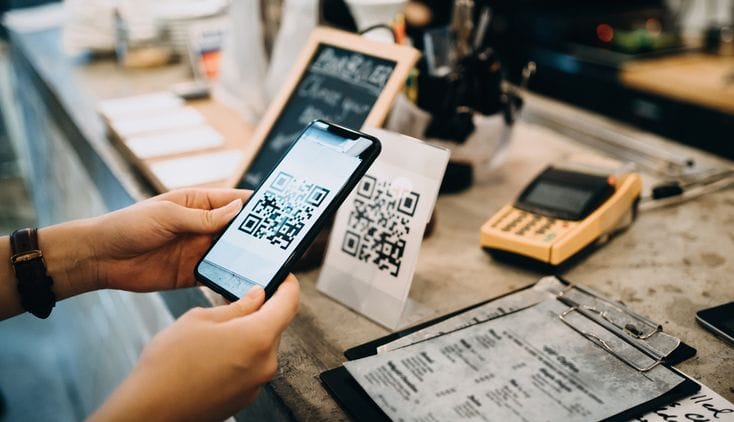
A restaurant table with a QR-code menu card, symbolising the growing privacy concerns around digital ordering systems and customer data.
Restaurant Staff
The incident, which came to light after a social media post by Rishika Dutta, reportedly took place after she visited a restaurant on FC Road in Pune and scanned a QR code to view the menu and place an order. Later that night, she said she received messages from an unfamiliar number, which allegedly turned out to belong to a staff member of the same restaurant.
According to reports, the messages included personal questions and an attempt to start a conversation, including asking for her age. Dutta alleged that she never shared her number directly with the employee and believed it had been accessed through the restaurant’s digital ordering system. The restaurant then said it had terminated the employee, with some reports adding that the action was taken on April 29, a day after the alleged incident.
How It May Have Happened
Based on the details shared publicly, the most likely route was the restaurant’s QR-based ordering platform, which can collect customer contact information as part of the ordering or payment flow. These systems are designed for convenience, but they can also expose personal data to staff or third-party vendors if access controls are weak or internal safeguards are missing. India Today has covered the full story.
That is why this case has become bigger than a single bad actor. The key issue is not just one employee’s alleged misconduct, but the possibility that a customer’s phone number was visible to someone who had no legitimate reason to use it for private contact. In plain words, jo data convenience ke liye diya gaya tha, woh allegedly harassment ka tool ban gaya.
Reported Statements
In response to the allegations, the restaurant publicly apologized and said it had taken “immediate action.” Reports also say the outlet told Dutta that the employee had been removed from all branches, although she alleged that management did not provide written proof or a formal apology.
Dutta’s post framed the matter as a serious privacy issue, saying that customers should not have to worry about their data following them home after a normal dinner outing. Online reaction was sharp, with users calling the incident “creepy,” “terrifying,” and a breach of trust.
Background Context
QR code menus became widely adopted in Indian restaurants because they are cheap, contactless, and easy to update. But the same systems that speed up service can also store phone numbers, dining habits, order history, and other customer data if the platform is linked to customer accounts or delivery-style ordering.
This is not the first time people have raised concerns about QR-based systems. Security experts have warned that QR menus and QR payments can create privacy risks if businesses do not use trusted platforms and proper access controls. In this case, the concern is especially sensitive because it involves a woman alleging misuse of her number after a routine visit, which makes the issue feel very personal and very real.
Timeline
April 28: Dutta reportedly visited the restaurant on FC Road, scanned the QR menu, and later received the late-night messages.
April 29: Reports say the restaurant took action and terminated the employee involved.
May 12–14: The story spread widely on social media and was picked up by multiple news outlets, turning it into a broader discussion on privacy and women’s safety.
Also Read: Maharashtra Halts Major State Events for Six Months After PM Modi’s Appeal
Why This Matters
This matters because it shows how everyday digital convenience can become a privacy risk if businesses do not protect customer data properly. For women in particular, the alleged misuse of a phone number after a public outing hits a deeper nerve because it combines data privacy with personal safety concerns.
It also sends a warning to restaurants, cafes, and delivery platforms across India. If contact details are stored in a system, businesses need strict role-based access, audit trails, and clear policies on who can see customer information. Otherwise, a simple QR scan can quietly become a doorway to harassment, which is kaafi worrying for users who trust these systems every day.
India Angle
In India, QR codes are now everywhere — from local dhabas and college canteens to premium restaurants and cloud kitchens. That makes this incident highly relevant for Indian consumers, because many people assume that if a system is digital, it is automatically safe.
The reality is more complicated. India’s fast shift to QR-led ordering has outpaced public awareness about data handling, staff access, and consent. Yeh issue sirf Pune tak limited nahi hai; it can happen in any city where customer data is collected casually and internal controls are weak. For a country that relies heavily on digital convenience, the lesson is simple: trust the tech, but verify the safeguards.
Analysis
The bigger editorial angle is accountability. A restaurant should not only terminate one employee after the backlash; it should also explain how the data was accessed, whether the system allowed staff visibility, and what prevention steps are now in place. Without that, the response looks reactive rather than responsible, and public trust remains shaky.
What’s Next?
The likely next step is closer scrutiny of QR-ordering systems used by restaurants, especially those that store customer phone numbers in accessible dashboards. Consumers may also become more cautious about sharing numbers unless absolutely necessary, particularly in eateries that use third-party ordering tools.
For businesses, this incident may push stronger internal data policies, better staff training, and tighter controls on customer information. If the issue spreads further, it could also invite more public pressure on restaurants to disclose privacy practices more clearly at the point of data collection. In short, this could become a reminder that convenience without safeguards is not really convenience at all.
Conclusion
The Pune incident is disturbing because it shows how a routine dinner outing can allegedly turn into a privacy violation within hours. The employee’s termination may address the immediate complaint, but the larger problem is the system that allowed customer data to be misused in the first place.
For Indian users, the message is clear: digital menus are useful, but personal data must be handled with care. For businesses, the responsibility is even bigger—protect customer trust, or risk losing it completely.
Written By A. Jack