
At least six devotees were killed and 12 to 14 others injured after a wall and tin sheets collapsed at a temple in Sangli district on Tuesday evening amid heavy rain and strong winds. The tragedy struck the Margudevi Temple in Mothewadi village, where a large number of devotees had gathered on a busy Tuesday evening.
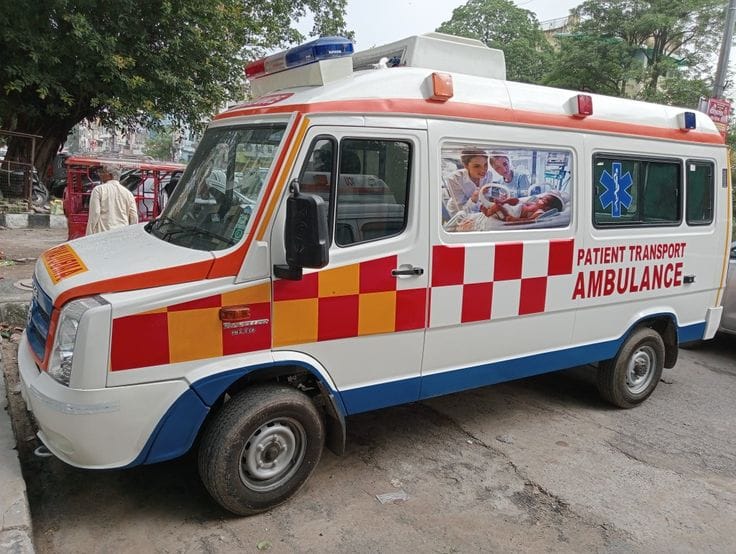
Devotees were trapped when a wall and tin sheets collapsed at Margudevi Temple in Sangli’s Mothewadi village during sudden rain and strong winds. [This image is only for representation.]
Temple Wall Collapses
The incident has left Maharashtra shaken, especially because it happened at a temple where people had gathered for prayer and shelter from the weather. According to Sangli Superintendent of Police Tushar Doshi, around 350 devotees were present on the temple premises when sudden gusty winds and heavy rain hit the area, causing the wall and tin sheets to give way. The collapse trapped several people, leading to a deadly stampede-like emergency in which six lives were lost and several others were injured.
What Happened
The collapse took place at the Margudevi Temple in Mothewadi village under Jath tehsil in western Maharashtra’s Sangli district. Police officials said Tuesdays usually draw a large crowd to the temple, which explains why so many devotees were present when the weather turned dangerous.
SP Tushar Doshi said that as the evening progressed, strong winds accompanied by heavy rains lashed the area. In response, devotees reportedly took shelter along a wall and under tin sheets on the temple premises. That shelter, however, became the site of the tragedy when the wall and sheets suddenly collapsed. NDTV has covered the full story.
The collapse was not just a structural failure; it became a life-threatening crush situation because many people were gathered close together. In moments like this, there is little room to move, and panic can make rescue even harder. The injured were rushed to a hospital, where they are currently undergoing treatments.
Why The Collapse Happened
The immediate cause appears to have been the combination of strong winds and heavy rainfall. But the broader reason is more important: temporary or weak structures on crowded religious premises can become dangerous during sudden weather changes.
Tin sheets and boundary walls may seem harmless in normal conditions. But during high wind and rain, they can collapse if not properly secured or reinforced. When that happens in a place with hundreds of people, the risk multiplies quickly. The fact that around 350 devotees were on the temple premises shows how crowded the site was at the time.
In simple words, it wasn’t just a weather issue—it was also about crowd concentration and possibly vulnerable construction. That combination can turn a rainstorm into a disaster.
Official Statement
Police chief Tushar Doshi gave the most important on-record account of the incident. He said, “There were around 350 devotees on the temple premises. In the evening, sudden strong winds accompanied by heavy rains lashed the area, prompting devotees to take shelter along a wall and under tin sheets. The wall and the tin sheets suddenly collapsed, trapping devotees.”
His statement makes clear that the devotees were not in an isolated area; they were on a crowded temple premises during an unexpected weather event. The numbers are also important because they show the scale of the gathering and why the collapse caused so many casualties.
Background And Context
Temple gatherings in Maharashtra often draw large crowds on Tuesdays, especially at local shrines where people visit for routine darshan and prayers. That pattern is important because it means many people were already present when the weather turned bad. In places like Sangli, where communities frequently gather around religious sites, basic structural safety becomes a major issue during monsoon and pre-monsoon storms.
This tragedy also comes at a time when western Maharashtra has been experiencing erratic weather, with heavy rains and gusty winds arriving suddenly in some areas. When weather shifts quickly, any weak shelter, wall, or shed can become dangerous. The incident therefore raises not only a local question about the temple premises but also a wider one about safety checks at public religious places across India.
Timeline
Tuesday afternoon and evening: A large number of devotees gather at Margudevi Temple in Mothewadi village.
Evening weather change: Strong winds and heavy rains hit the area.
Devotees seek shelter: People move near a wall and under tin sheets on the temple premises.
Sudden collapse: The wall and tin sheets fall, trapping devotees.
After the incident: Six devotees are confirmed dead and 12 to 14 others are injured.
Hospital response: Injured devotees are taken for treatment.
This timeline shows how quickly a routine evening of worship turned into a devastating emergency.
Also Read: Training Aircraft Crashes in Maharashtra’s Baramati
Why This Matters
This matters because the disaster happened in a place where people expected safety, not danger. Temples, mosques, churches, and other religious sites are often seen as protected public spaces, but if the infrastructure is weak, crowd safety can collapse just as fast as a wall. Six deaths in one incident is a tragic reminder that crowd management and structural maintenance are not optional.
It also matters because religious gatherings often involve elderly people, children, and families, who may not be able to react quickly when an emergency begins. When heavy rain and winds arrive suddenly, people look for cover immediately, and that cover must be safe. If it is not, the consequences can be deadly. Yeh issue kaafi important hai because it connects faith, public safety, and disaster preparedness in one heartbreaking moment.
Local Angle
For Maharashtra residents, especially in rural and semi-rural districts like Sangli, the incident is a reminder of how quickly weather-related accidents can turn fatal. Many temples and public gathering sites across the state have temporary roofs, tin sheds, or boundary walls that may not withstand strong monsoon winds. This makes the tragedy deeply local, not just a national headline.
The local angle is also about accountability. Families will naturally ask whether the premises had been inspected, whether the temporary structures were safe, and whether crowd management was adequate. In simple Hinglish: log darshan ke liye aaye the, lekin safety ka proper intezam nahi tha, to yeh tragedy ho gayi. That is the question people will keep asking in villages and towns across Maharashtra.
Analysis
My analysis is that the core issue is not just the weather event itself but the vulnerability of public religious infrastructure. Temporary sheds, wall enclosures, and crowded temple spaces need better safety review, especially before stormy seasons. The other key insight is about preparedness. If devotees were able to reach the wall and tin sheets for shelter, then that structure was part of the temple’s functional space. That means its safety should have been assessed as part of the premises, not treated as a minor, temporary add-on.
What Next
The next step will likely include a detailed inquiry into the collapse, including whether the wall and tin sheets were structurally sound and whether the temple premises had adequate safety measures. Authorities may also review crowd control and local disaster preparedness procedures.
The injured devotees will continue to receive treatment, and officials are likely to update the final count as medical reports come in. Families of the deceased will expect compensation and a clear explanation. Over the coming days, the temple administration and local officials may also face questions about maintenance, permissions, and whether temporary structures had been inspected. If the investigation finds negligence, action may follow.
Conclusion
The collapse at Margudevi Temple in Sangli is a heartbreaking reminder that even places of prayer can turn dangerous if basic safety is overlooked. Six devotees lost their lives, and several others were injured after strong winds and heavy rain brought down a wall and tin sheets on the temple premises.
As Maharashtra mourns the victims, the bigger lesson is clear: religious sites with heavy footfall need stronger safety checks, especially during unpredictable weather. Faith should never come at the cost of safety. The hope now is that the investigation leads to accountability and that such a tragedy is not repeated elsewhere.
Written By A. Jack