
A two-seater training aircraft operated by Redbird Aviation crashed in Gojubavi village in Baramati on Wednesday, with initial reports indicating that the trainee pilot is safe. Police teams reached the spot soon after the accident, while the exact cause of the crash remained unclear at the time of reporting.
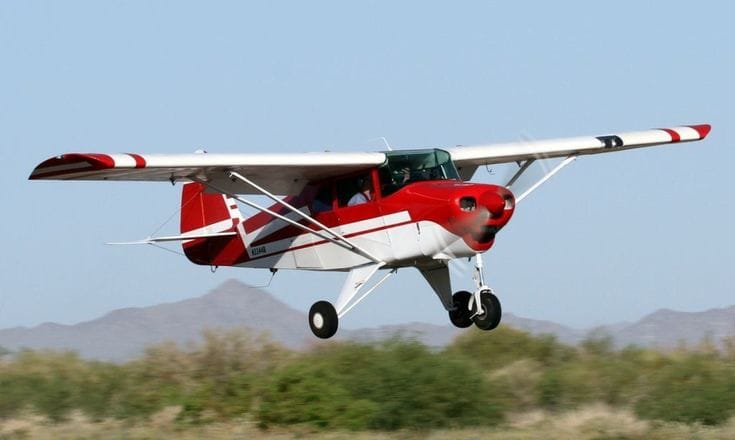
A Redbird Aviation training aircraft crashed in Gojubavi village in Baramati, prompting a swift response from local police and officials. [This image is only for representation.]
Training Aircraft Crashes A two-seater training aircraft crashed in Gojubavi village in Baramati, Maharashtra, on Wednesday, according to preliminary information. The aircraft, operated by Redbird Aviation, reportedly went down within village limits, triggering an immediate response from police and local authorities. Initial reports suggested that the trainee pilot on board is safe, which is the most reassuring part of an otherwise alarming incident.
The exact reason for the crash has not yet been confirmed, and investigators are expected to examine the aircraft, the training conditions, and any possible technical or human-factor issues before drawing conclusions.
What Happened
According to the available information, this was a training aircraft accident, not a commercial passenger plane crash. The aircraft was a two-seater, which suggests it was likely being used for flight training or a routine training exercise under supervised conditions. Such aircraft are generally lighter and are used to teach basic flying, takeoff, landing, and emergency handling. IndiaTV has covered the full story.
The aircraft crashed within Gojubavi village limits, and police teams were quickly dispatched to the site. At present, there is no official confirmation of injuries beyond the initial report that the trainee pilot survived. That means the priority right now is likely to be safety, evidence collection, and determining whether the crash was caused by technical failure, weather, fuel issues, pilot error, or some other factor.
In a situation like this, the first few hours are critical. Officials usually secure the crash site, check the cockpit area, inspect the engine, look for flight logs, and speak to witnesses from the surrounding area. That process will help build a clearer picture of what went wrong.
Why This Crash Is Significant
This incident is significant because aviation accidents involving training aircraft often raise questions about flight safety oversight, pilot training procedures, and airfield operations. Even when a trainee is safe, a crash is never routine. It reminds us that training flights carry real risk, especially when aircraft are operated in lower-altitude environments and under learning conditions.
It is also important because this comes months after another plane linked to Ajit Pawar had crashed in the same Baramati area. That earlier incident has now added a layer of public sensitivity to Wednesday’s crash. In simple words, yeh coincidence lokon ke mann mein aur bhi concern पैदा करता hai, because repeated incidents in the same region naturally lead people to ask whether there is a larger safety pattern, even before facts are known.
What May Have Caused It
At this stage, the cause is unknown. Still, in aviation, the possible factors in a small aircraft crash are usually limited to a few broad categories.
Mechanical failure: A problem in the engine, controls, landing gear, or fuel system can quickly lead to loss of control.
Pilot handling issue: Even trainee flights under supervision can become unstable if the aircraft is not managed properly.
Weather conditions: Sudden wind, turbulence, or reduced visibility can affect a small plane more than a larger one.
Runway or terrain issues: If the aircraft was taking off or landing, the surrounding environment could also be a factor.
These are only logical possibilities, not confirmed findings. The official investigation will determine which of them, if any, played a role. Until then, it is important to avoid speculation.
Background And Context
Baramati has been in the news before for aviation-related attention because of the region’s connection with political and regional development circles. The earlier crash linked to Ajit Pawar made the area more visible in aviation reporting, and that context now makes this latest incident more notable.
Training aircraft accidents are rare compared with routine safe landings and takeoffs, but they do happen. Unlike commercial aviation, training aviation involves student pilots who are still learning high-pressure decision-making. That does not mean the system is unsafe by default, but it does mean every training flight demands strong supervision, good maintenance, and strict operating discipline.
For Maharashtra, and especially for regions like Baramati, this kind of incident can affect public confidence in aviation training setups. Local residents often see these aircraft regularly, so any crash creates immediate anxiety. That is why clear communication after such incidents matters so much.
Timeline
Earlier months: A plane linked to Ajit Pawar had crashed in the Baramati area.
Wednesday: A two-seater Redbird Aviation training aircraft crashes in Gojubavi village, Baramati.
Soon after: Police teams reach the crash site.
Initial reports: The trainee pilot is said to be safe.
Next phase: Authorities are expected to investigate the cause of the crash.
This timeline shows that the incident is still in its early stages and that more facts are needed before a full picture emerges.
Also Read: Telugu Actor Bharath Kanth Dies in Fatal Hyderabad Car Crash
Why This Matters
This matters because aviation safety is not just about large commercial flights. Training aircraft are where future pilots learn the discipline and judgement needed for the skies. If something goes wrong in training, it can affect not only the aircraft and crew but also broader trust in aviation education and safety systems.
It also matters because local communities are often the first to witness these events. A crash in a village creates fear, curiosity, and immediate concern about whether more people were at risk. While the trainee pilot being safe is good news, the incident still raises questions about how closely training routes, aircraft maintenance, and emergency response are monitored.
For readers in India, this is also a reminder that aviation growth must be matched by safety systems. The country is seeing more flying activity, more training demand, and more interest in becoming pilots. That growth is positive, but yeh issue kaafi important hai because growth without safety can quickly become a liability.
Local Angle
For Baramati residents, this is the second aviation-related incident in the same broad area in a relatively short span of time, so concern is understandable. People living near training routes may now be more alert to aircraft noise, flight patterns, and emergency preparedness. When a crash happens close to home, it feels personal, even if the people involved survive.
The local angle also includes the role of aviation training in smaller towns and semi-urban regions. Baramati is not a metro airport hub, so every incident there gets extra attention. Residents may now expect better updates, safety checks, and more transparency from the operator and the authorities. In simple Hinglish: gaon ya chhote shehar mein aise incidents logon ko seedha affect karte hain, because it happens in their backyard, not far away.
Analysis
My assessment is that the most important thing right now is evidence-based reporting. Aviation incidents can quickly attract rumors, especially when they happen in politically familiar regions or near well-known names. But the proper focus should stay on facts: who was flying, what aircraft was involved, what stage of training it was in, and whether the aircraft had any technical or operational issues. Once that information becomes clear, the public will get a better understanding of whether this was a one-off incident or part of a wider safety concern.
Another point worth noting is that training aviation often remains invisible to the public until something goes wrong. This crash briefly brings that hidden world into focus. It may lead to more interest in how flight schools operate, how often their aircraft are inspected, and how emergency protocols are handled.
What Next
The next step will likely involve a detailed examination of the wreckage, airfield logs, and the aircraft’s maintenance history. Police and aviation authorities are expected to gather witness statements and determine whether a technical issue or operational lapse caused the crash.
If there were a mechanical failure, that could trigger broader checks on the operator’s fleet. If the cause turns out to be pilot handling or weather-related, it may lead to training reviews or procedural changes. In either case, the incident will probably prompt questions about oversight and safety culture in training aviation. The fact that the trainee pilot is safe will help ease immediate concerns, but the investigation will decide the larger lesson.
Conclusion
The crash of a Redbird Aviation training aircraft in Gojubavi village, Baramati, is a serious aviation incident, even though initial reports say the trainee pilot is safe. The cause is still unknown, and police teams have reached the scene to begin the process of checking what went wrong.
With Baramati already having seen a plane crash linked to Ajit Pawar months earlier, the latest incident is likely to draw close attention. But for now, the key takeaway is straightforward: the people onboard appear to be safe, the investigation is underway, and the focus must stay on verified facts rather than speculation.
Written By A. Jack