The Shipping Minister Sarbananda Sonowal said three Indian seafarers on board the MT Settebello went missing after the vessel was attacked by a US aircraft off the coast of Oman; 21 other Indians survived and rescue operations are underway as reports of a second strike emerge.
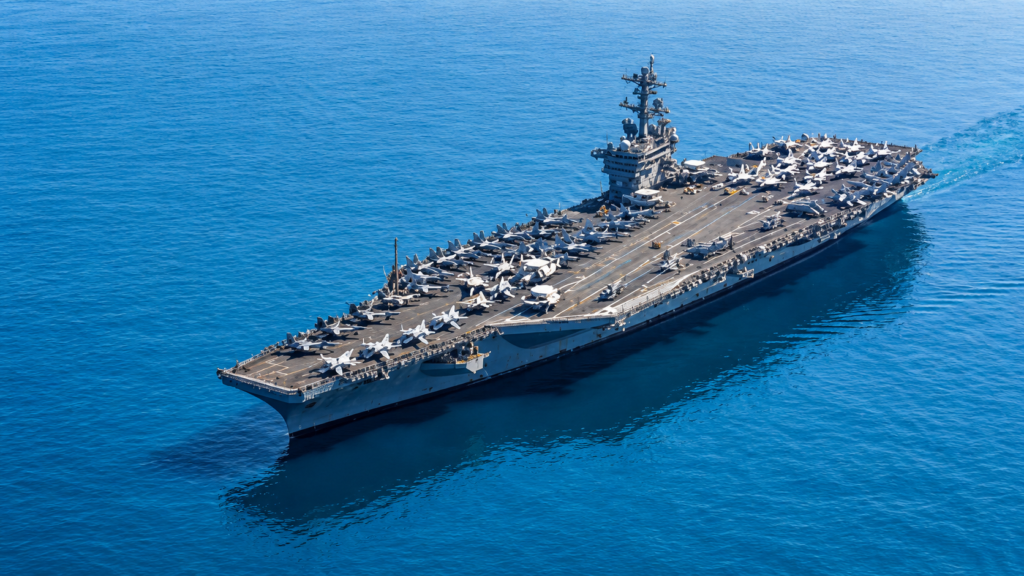
This image is only for illustrations.
NEW DELHI, June 11 (Reuters) – Three Indian seafarers who went missing after a U.S. military attack on the MT Settebello tanker off the coast of Oman earlier this week have been confirmed dead, shipping minister Sarbananda Sonowal said on Thursday. The Palau-flagged vessel had 24 Indian crew members on board when it was struck by a US aircraft on Wednesday, prompting a major search and rescue operation. Omani armed forces rescued 25 crew members, including 21 Indians, but three Indian sailors were missing and have now been declared dead.
The tragedy has sent shock waves through India’s maritime community, with urgent questions being asked about the safety of Indian seafarers working in conflict zones. Separately, reports emerged of another US strike on a merchant vessel in the same region with Indian crew members, raising the specter of the dangers that India’s maritime workforce faces. This is a very important issue because there are more than 200,000 Indian seafarers working on ships across the world, and this attack highlights the deadly dangers they face in international waters.
Why and How This Happened
The Attack on MT Settebello
The MT Settebello is a Palau-flagged commercial tanker operating in the Gulf of Oman, a vital shipping lane between the Persian Gulf and the Arabian Sea. The vessel was struck Wednesday by a US aircraft in what appears to be a military operation in the region. The precise cause of the strike remains unclear from official sources, but early reports suggest the US military might have hit the tanker amid growing tensions in the Middle East. The strike badly damaged the vessel, causing fires and forcing the crew to abandon ship. The explosion and the ensuing fire meant that some crew members could not escape safely, and three Indian seafarers lost their lives.
The Rescue Operation
Omani armed forces launched a rapid search and rescue operation following the attack. Naval vessels and coastal patrol aircraft were dispatched to search for the stranded crew. Rescue teams saved 25 crew members, including 21 Indians, who were brought to safety in Oman by Thursday morning. But three of the Indian sailors were missing and presumed lost either in the first explosion or in trying to get off the burning ship. Following an extensive search, authorities have confirmed that the three missing seafarers are dead. The government is deeply saddened by the loss, and the fatalities have been confirmed, Shipping Minister Sarbananda Sonowal told the media on Thursday.
The Second Strike on a Merchant Vessel
Hours after Sonowal’s announcement, reports emerged of another US strike on a different merchant vessel in the same area. The second vessel also had Indian crew members, but the number has not been verified. The strike has intensified the panic among Indian maritime unions and shipping companies, given the pattern of US military actions against merchant ships in the Gulf of Oman. The Indian government is reportedly probing both incidents and liaising with international authorities to ensure the safety of Indian seafarers.
The Role of Indian Seafarers in Global Shipping
India is one of the largest suppliers of seafarers in the world, with more than 200,000 Indian sailors on merchant ships worldwide. Highly skilled, experienced, and adaptable Indian crew members are particularly found in the tanker sector, cargo handling, and engine departments. But this dependence also puts Indian sailors in high-risk zones, including conflict zones in the Middle East, where maritime security is becoming increasingly precarious. The attack on the MT Settebello is a clear reminder of the dangers these workers face every day, often with little protection or insurance.
Quotes
Shipping Minister Sarbananda Sonowal said Thursday: “This is a tragic incident that has broken the heart of the nation. Three Indian sailors were killed in an unprovoked attack on a merchant ship. The government is committed to providing full support to their families and to ensuring justice for this act.
“We are in close touch with Omani authorities and the flag state of the vessel,” said a senior official from the Indian Maritime Directorate. “Our foremost priority is the safety of all the 21 Indian crew members who have survived and to investigate the cause of this attack thoroughly.”
“The Gulf of Oman is increasingly becoming dangerous due to rising tensions in the Middle East,” said Dr. Rajesh Kumar, a maritime security expert at the National Maritime Foundation in New Delhi. Military forces could target merchant vessels carrying critical cargo such as oil and gas. “Indian seafarers need better security protocols and international cooperation to safeguard them.
“This is not the first time that Indian sailors have been caught in conflict zones,” said a representative of the All India Maritime Workers Union. “We are demanding the government formulate stricter safety measures for Indian crew members working on ships in high-risk areas.” “Compensation to families of the dead must be quick and adequate.
“The fact that two merchant vessels are being hit in the same region indicates a coordinated military operation,” said Captain Senthil Nathan, a maritime consultant and a retired officer of the Indian Navy. “This is a serious threat to global shipping, and India must push for stronger international protections for civilian vessels.”
Background and Context
India’s Seafarer Population and Global Role
India is among the top five countries in the world in providing seafarers to the international maritime industry. More than 200,000 Indian sailors work aboard merchant ships, tankers, and cargo ships around the world. The Indian crew are particularly noticeable in the tanker operations, many of whom are working on vessels carrying oil, gas, and Chemical products through the Middle East. The large number of participants indicates that Indian families have a significant stake in the maritime sector and that an attack on vessels with Indian crew directly affects thousands of families.
Recent Maritime Incidents in the Middle East
In the last decade, the rising tensions in the maritime environment in the Gulf of Oman and adjacent waters have led to a number of attacks on merchant vessels:
2018: Multiple oil tankers are attacked in the Gulf of Oman, believed to be connected to regional disputes.
2019: A US missile strike on a tanker off the Strait of Hormuz wounded several crew members.
2021: Iranian-backed forces hijacked a merchant ship with Indian crew in the Persian Gulf.
2023: A drone attack on a cargo ship in the Arabian Sea damaged the vessel, but no casualties were reported.
June 2026: US aircraft attack MT Settebello and another merchant ship. Three Indian sailors are killed and others wounded.
International Maritime Security Framework
The United Nations and the International Maritime Organization (IMO) have prepared guidelines for the protection of merchant vessels in areas of conflict. However, enforcement is still weak, and many countries do not provide adequate security for civilian ships. The US military has conducted a number of operations in the Middle East, at times striking ships believed to be carrying weapons or aiding hostile groups. However, attacks on neutral merchant ships with civilian crew raise serious legal and ethical questions.
The MT Settebello Vessel Details
The MT Settebello is a merchant tanker flying the flag of Palau, a common arrangement for international vessels seeking regulatory flexibility. A large part of the ship’s complement was made up of 24 Indian crew members. Palau is a small Pacific island nation that has been famous for its ship registration but lacks the capacity to provide military protection to its flagged vessels in conflict zones. This leaves Indian seafarers vulnerable to attacks with insufficient diplomatic or security support.
Timeline
Wednesday 10th June 2026 (Morning) US aircraft strike MT Settebello tanker off the coast of Oman
Wednesday (midday): Explosion and fire on board the ship; crew attempts to evacuate
Wednesday (Afternoon): Omani armed forces initiate a search and rescue operation.
Wednesday (Night): 25 crew members rescued, among them 21 Indians; 3 Indian sailors are missing.
Thursday, June 11, 2026 (Morning): Shipping Minister Sarbananda Sonowal confirms deaths of three missing seafarers.
Thursday (Afternoon) Reports of a second US strike on another merchant vessel with Indian crew in the same area.
Thursday (Evening): The Indian government initiates an investigation and coordinates with Omani authorities.
Also read: US Forces Disable Oil Tanker MT Marivex in Gulf of Oman; 24 Indian Crew Rescued — New Delhi Silent
Why This Matters
The Effect on Humans and Family Tragedy
“It is a huge loss for the families of the three Indian seafarers. In India, seafarers are often the main breadwinners for their families, earning wages that support entire households. For a seafarer’s family, the loss means economic hardship and emotional trauma and the burden of bringing up children or looking after aged parents alone. Now the dead’s families are demanding compensation, justice, and better working conditions for Indian sailors. The tragedy highlights the need for better protection and insurance coverage for Indian seafarers sailing in high-risk zones.
Impact on Maritime Sector of India
The strike has caused shockwaves through India’s maritime industry. Shipping companies are weighing routes for their vessels through the Gulf of Oman, with some possibly delaying or re-routing shipments to avoid conflict zones. Such disruption could affect the supply chains of oil, gas, and other vital commodities, impacting India’s energy security and economic stability. Maritime unions are calling for tighter safety measures, including security escorts for vessels passing through high-risk areas.
Geopolitical consequences
The US military attack on a neutral merchant vessel raises serious questions of international law and maritime security. The MT Settebello was not suspected of carrying weapons or supporting hostile groups but was fired upon by a U.S. aircraft. This could strain India-US Relations as India is keen on protecting its citizens working in foreign countries. The fact that the US would strike a second merchant ship indicates a pattern of behavior that might violate international maritime rules. India must raise the issue of more diplomatic protection for its seafarers and hold the US accountable for these attacks.
Labor Rights and Seafarer Protections
Indian seafarers are often employed on contracts that offer little protection in conflict zones. Many are not sufficiently insured and have no plan for emergency evacuation or security training. This tragedy demands labor reforms to ensure better safety standards, compensation, and legal protections for Indian sailors. Maritime unions have called on the government to establish a dedicated seafarer welfare fund and provide all Indian crew members with conflict zone insurance.
India Angle
“The death of the three Indian seafarers has sent shock waves across the entire Indian maritime community. More than 2 lakh Indian sailors are deployed on vessels across the globe, and this attack is a setback for them. Shipping Minister Sarbananda Sonowal said Indian forces have rescued 21 people and three people have died.
This issue is very important because the income of seafarers supports lakhs of families in India. No proper protection has been provided to the Indian crew members in the Gulf of Oman conflict zones so far. Now the government should tighten the safety protocols and help the families by providing compensation. This case proves that the safety of Indian seafarers should be a priority at the international level and the military actions of the US should be looked into.
My Take as an News Writer
Readers want to know the death toll, rescue efforts, and geopolitical implications as they develop. Numbers and locations are required in headlines to be searchable.
The incident has thrown into doubt the safety of Indian seafarers in conflict zones. The content should situate the attack within broader reforms to maritime security and labor rights.
The attack raises questions about US military actions and impact on Indian citizens … and reporting should concern diplomatic accountability and changes in policy.” This story also covered by Hindustan time
What’s Next
Government Investigation and Diplomatic Relations: The Indian government will start a formal investigation into the attack and may reach out diplomatically to the US to discuss the targeting of civilian vessels.
Compensation for Families: The Ministry of Shipping and maritime unions are likely to announce compensation for the families of the deceased seafarers. However, the amount will be dependent on the terms of the contracts.
Safety Protocol Reforms: India could enforce stricter security protocols for vessels navigating high-risk waters, such as mandatory security escorts or rerouting to safer maritime routes.
Maritime Union Protests – Seafarer unions may protest for better protection, insurance, and legal rights for Indian crew members in conflict zones.
Shipping Route Changes: Shipping companies may delay or reroute vessels through the Gulf of Oman to avoid similar attacks, which could have a knock-on effect on global supply chains.
International Pressure: India and others may call for international investigations into the US military’s targeting of neutral merchant ships, demanding accountability.
Media / Documentary Coverage: The attack could feature in news documentaries and investigative reports on maritime security and the dangers Indian seafarers face.
Conclusion
The deaths of three Indian seafarers in the US tanker attack on the MT Settebello off Oman’s coast are a devastating tragedy and highlight the lethal risks faced by India’s maritime workforce. On Wednesday, a US aircraft struck the Palau-flagged vessel, killing three sailors and injuring others while rescuing 21 survivors.
Indian crew members. Shipping Minister Sarbananda Sonowal confirmed the deaths on Thursday and expressed the government’s deep sorrow and its commitment to support the families. At the same time, reports that the US has struck a second merchant vessel in the same region have heightened fears over the safety of Indian seafarers in conflict zones. This is a very important issue because there are over 200,000 Indian sailors working around the world, and this attack highlights the urgent need for better maritime security, labor protections, and diplomatic accountability.
India’s shipping industry, supply chains, and diplomatic relations with the US will be affected by the tragedy. As families mourn and unions seek change, the focus must be on safer working conditions, better insurance, and stronger international protections for Indian seafarers. This is not just a local disaster but a global alarm bell that maritime security must prioritize civilian lives and that India must take bold steps towards protecting its citizens working aboard international vessels.