
The United States has temporarily lifted iran oil sanctions on Iranian oil exports for 60 days after positive diplomatic talks with Tehran, signaling a possible breakthrough in one of the world’s most complex geopolitical conflicts.
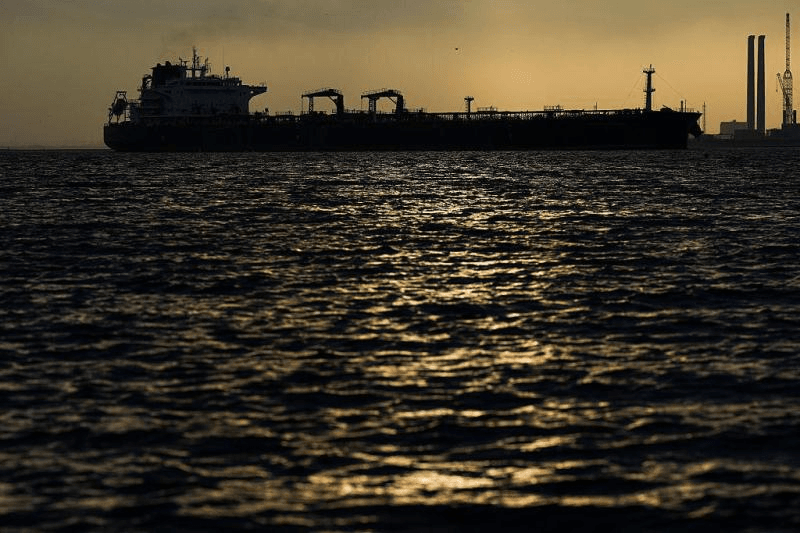
Image is for illustration only.
The United States has eased restrictions on Iranian oil exports after what officials described as “encouraging” talks between Washington and Tehran, a move that could have a major impact on world energy markets and Middle East diplomacy. The move comes amid ongoing talks between the two countries to reduce tensions and negotiate a wider peace deal.
The U.S. Treasury Department on Monday announced a 60-day sanctions waiver that would allow the production, delivery and sale of Iranian oil to the United States. It comes after the signing of a memorandum of understanding (MoU) between the two countries on June 17 and is a sign of increased optimism among negotiators that a long-term diplomatic solution could be within reach.
The announcement immediately drew worldwide attention, not only for its political importance but also for its potential effects on international oil prices, energy security and Middle East regional stability. Governments, investors and consumers worldwide are closely watching the development as oil markets react positively and crude dips.
Why the United States Lifted Some Iran Oil Sanctions
The temporary sanctions waiver is dependent on ongoing diplomatic negotiations between the United States and Iran. Relations between the two countries have been fraught for years over disputes about Iran’s nuclear program, regional influence and economic sanctions imposed by Washington.
US Treasury Secretary Scott Bessent said recent talks have made “meaningful progress.” “Iran has agreed to support free and open navigation through the Strait of Hormuz and to allow more access for inspectors from the International Atomic Energy Agency (IAEA) inside the country,” he said.
These commitments are seen as important confidence-building measures. The Strait of Hormuz is one of the world’s most important oil shipping lanes, with a large share of the world’s crude exports passing through the narrow waterway each day. Any instability in the region could send oil prices soaring and threaten the world’s energy supplies.
The sanctions waiver is a carrot to maintain cooperation. Allowing Iranian oil into U.S. markets with restrictions is a signal from Washington that it is willing to reward progress but will retain leverage for future negotiations.
“Good foundation,” Vice President JD Vance called the talks, suggesting a possible move toward a broader diplomatic breakthrough.
Details of the 60-Day Sanctions Waiver
The temporary license, issued by the US Treasury, is valid until August 21 and permits transactions related to exports of Iranian crude oil, petroleum products and petrochemicals.
The waiver allows Iranian oil to be produced, transported, delivered and sold within the framework of the recent MoU. But the authorization remains narrow in scope and is not applicable to transactions with other sanctioned entities or areas, including North Korea, Cuba or Russian-occupied parts of Ukraine.
Financial analysts say the waiver is a nuanced approach, not an outright lifting of sanctions. Washington seems intent on checking Iran’s compliance with agreed conditions before considering any wider economic relief.
Interestingly, the Iranian officials have yet to respond to the decision publicly in the immediate term though diplomatic channels are thought to be open.
Global Oil Markets React
The announcement had one of the quickest effects on international energy markets. Oil traders saw the waiver as a sign that more Iranian oil could be flowing into global supply chains in the coming months.
Brent crude prices dropped more than 3.5 percent to about $77.7 a barrel on news of the sanctions relief. The drop reflects investor expectations that more supply could ease market pressures and alleviate fears of possible shortages.
Lower oil prices eventually mean lower transport and energy costs for consumers around the world. But analysts caution that broader geopolitical developments will continue to influence market behavior.
The reaction underscores how closely global energy markets still remain tethered to diplomatic progress in the Middle East. Even small policy changes by major oil-producing countries can bring about major price changes in hours.
Quotes and Expert Perspectives
Scott Bessent, the US Treasury Secretary, said the negotiations had made progress and both sides were making good on key commitments in the memorandum. “The discussions have been productive,” he said.
Political analysts say the temporary waiver is a strategic play by Washington to encourage constructive behavior without fully abandoning sanctions pressure.
One expert on international relations said that diplomacy often succeeds by taking small steps rather than making dramatic breakthroughs.
“This temporary waiver is an opening for building trust. “Neither side is ready to give up its core interests, but both sides are signaling a willingness to move towards a compromise,” the expert said.
Energy market specialists also think the decision could soothe investor sentiment.
“Markets love certainty. “Any development that reduces tensions in the Gulf region is generally supportive for confidence and reduces the risk premium on oil prices,” said a senior commodities analyst.
Background: A Long History of Tensions
Relations between the United States and Iran have been strained for more than four decades. Since the Iranian revolution in 1979 diplomatic relations have been plagued by recurring crises, including sanctions, military confrontations, nuclear disputes and regional conflicts.
The issue came to a head in the discussions over Iran’s nuclear program. Western governments have often raised concerns about nuclear development activities but Tehran has repeatedly said its nuclear program is for peaceful purposes.
Years of negotiation and interim agreements and a return of tensions . Washington has chosen economic sanctions as its weapon of choice to force Iranian policy.
These restrictions severely impacted Iran’s oil exports, banking sector and wider economy. Among the most impactful measures have been sanctions on energy exports, as oil revenue remains crucial to Iran’s economic stability.
The latest waiver is one of the most significant signs of diplomatic flexibility in recent years and could pave the way for a bigger deal if talks continue to go well.
Timeline of Recent Developments
On June 17, the United States and Iran signed a 60-day Memorandum of Understanding that detailed various commitments to lower tensions and open the door to future negotiations.
Diplomatic discussions were held in Switzerland for weeks as mediators tried to get the two sides to talk to each other.
Negotiators said they made slow progress, especially on maritime security in the Strait of Hormuz and international nuclear checks.
On Monday the US Treasury announced a temporary sanctions waiver that officially permits limited Iranian oil transactions under certain conditions.
The announcement immediately rippled through global oil markets, with crude prices falling on expectations of higher supplies and lower geopolitical risks.
Why This Matters
That is important because it is three big global issues all at once – energy security, international diplomacy and economic stability.
More Iranian oil could ease supply pressures and temper fuel prices in energy markets. The deal demonstrates to policymakers that diplomacy remains a viable means to end long-standing conflicts. There is often less tension in a more predictable environment, which is good for planning and growth for businesses and investors.
This problem is of some importance since the Middle East is still a major player in world energy supplies. Thawing relations between key regional players can affect everything from the cost of transport to inflation rates worldwide.
The temporary nature of the waiver also means that what happens next will depend heavily on compliance and continued diplomatic engagement.
India Angle: What It Means for India
The partial lifting of sanctions on Iranian oil will have a major impact on India. India is one of the biggest energy consumers in the world and heavily depends on imported crude oil to meet domestic demand.
Iran has historically been a key oil supplier to India before sanctions soured trade ties. Any additional supply of oil worldwide can help keep the prices stable and that would be good for Indian consumers, industries and transportation sectors.
Cheaper crude may reduce import costs and ease inflationary pressure. This is particularly critical when fuel prices directly impact household budgets, manufacturing costs and logistical operations.
From a strategic perspective, better US-Iran ties could also contribute to more stability in the Gulf region, where millions of Indians live and work. Peace in the region underpins economic activity, trade routes and employment opportunities linked to India’s overseas workforce.
In simple words, if the prices of agar oil are controlled, its benefits can be extended to many sectors of the Indian economy.
Analysis
In a significant development that could reshape global energy markets and Middle East diplomacy, the United States has partially lifted sanctions on Iranian oil exports after what officials described as “encouraging” negotiations between Washington and Tehran. The move comes as both countries continue discussions aimed at reducing tensions and reaching a broader peace agreement.
On Monday, the US Treasury Department announced a 60-day sanctions waiver that authorizes the production, delivery, and sale of Iranian oil to the United States. The decision follows the signing of a Memorandum of Understanding (MoU) between the two nations on June 17 and reflects growing optimism among negotiators that a long-term diplomatic solution may be achievable.
The announcement immediately attracted global attention, not only because of its political significance but also because of its potential impact on international oil prices, energy security, and regional stability in the Middle East. With oil markets reacting positively and crude prices falling, the development is being closely watched by governments, investors, and consumers around the world.
What Next?
The next 60 days will be critical. US officials will closely monitor Iran’s compliance with commitments regarding maritime security and international inspections.
If progress continues, additional economic measures could be considered, potentially leading to broader sanctions relief or expanded cooperation. Conversely, any perceived violations could result in the waiver expiring without renewal.
Negotiators are expected to continue discussions aimed at reaching a comprehensive agreement addressing security concerns, economic relations, and regional stability.
Markets will also watch developments carefully. Future announcements could significantly influence oil prices, investment decisions, and broader economic forecasts. this story also covered by Aljazeera
Conclusion
The United States’ decision to partially lift sanctions on Iranian oil marks an important moment in international diplomacy. Triggered by encouraging negotiations and mutual commitments under a recent memorandum of understanding, the move reflects cautious optimism about the possibility of a broader peace agreement.
The temporary waiver has already influenced global oil markets, lowered crude prices, and generated discussions about future economic and geopolitical implications. While many uncertainties remain, the development demonstrates that dialogue continues to offer pathways toward conflict resolution.
For India and the wider world, the outcome of these talks could affect energy costs, regional stability, and economic growth. As negotiations move forward over the coming weeks, policymakers, businesses, and citizens alike will be watching closely to see whether this temporary breakthrough evolves into a lasting diplomatic success.