The DMRC said interchange facilities will remain available at Rajiv Chowk, Mandi House and Central Secretariat stations, but entry and exit gates at all 17 stations will stay closed until further notice amid heightened security measures.
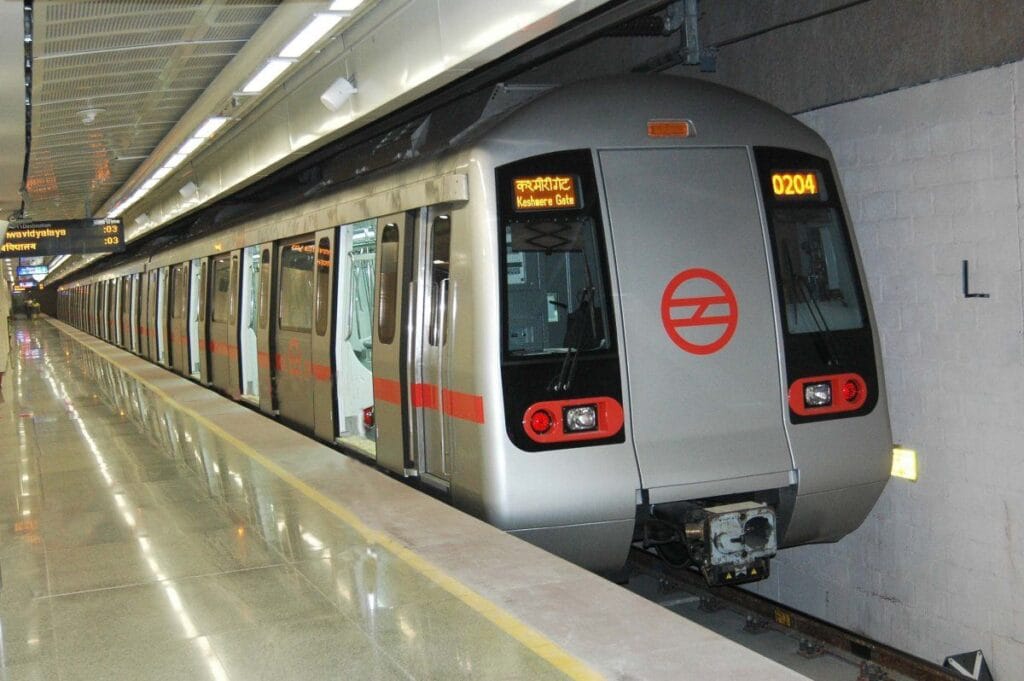
17 Delhi Metro stations remain shut for the third consecutive day due to security arrangements linked to the CJP protest at Jantar Mantar. This Image is only for illustrations.
In a major disruption for Delhi commuters, the Delhi Metro Rail Corporation (DMRC) announced on Thursday night that 17 metro stations in central Delhi will remain closed from 7.30 am on Friday until further instructions. The closures, now entering their third consecutive day, are due to heightened security arrangements linked to the ongoing Cockroach Janta Party (CJP) protest at Jantar Mantar.
The affected stations include key hubs such as Lok Kalyan Marg, Rajiv Chowk, Patel Chowk, Ramakrishna Ashram Marg, Barakhambha Road, Supreme Court, Seva Teerth, Janpath, Mandi House, Central Secretariat, ITO, Delhi Gate, Indraprastha, Khan Market, Jor Bagh, Shivaji Stadium and Jhandewalan. The DMRC said interchange facilities will be available at Rajiv Chowk, Mandi House and Central Secretariat stations, but entry and exit gates at all 17 stations will remain closed.
What Happened and Why
The DMRC’s decision to keep the 17 stations closed comes after similar restrictions on Wednesday and Thursday, when the same stations were shut for prolonged periods due to security arrangements linked to the CJP protest. On Thursday, entry gates of three stations — Central Secretariat, Mandi House and Rajiv Chowk — were opened late in the evening after around 14 hours of closure, while the remaining stations stayed closed. This story was also covered by NDTV.
The repeated closures have caused significant inconvenience to office-goers, students and other commuters in central Delhi. Many passengers had to alter their travel plans, switch to alternate routes or rely on road transport amid heavy traffic congestion. Traffic restrictions around Janpath, Jantar Mantar and adjoining areas have added to delays during peak hours, making the situation even more challenging for daily commuters.
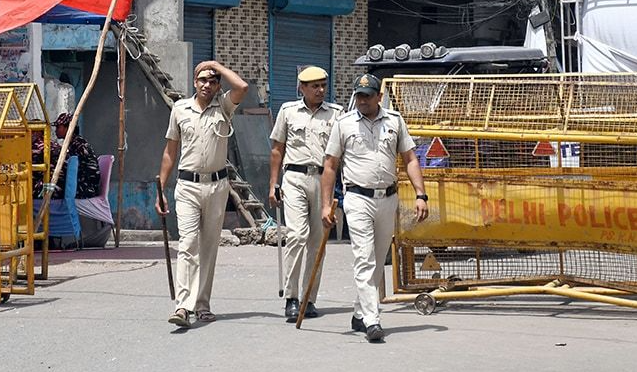
The DMRC said the closures were taken on the advice of security agencies, citing “security reasons” as the primary factor. The decision reflects the authorities’ assessment of the ongoing protest situation and the need to maintain law and order in central Delhi. However, the extended closures have also raised questions about the impact on public transport and the daily lives of commuters.
Detailed Impact on Commuters
The closure of 17 metro stations has severely disrupted daily commuting in the capital’s central districts. The affected stations are key hubs for both Yellow and Blue Line commuters, as well as those travelling on the Violet, Pink and Magenta lines. The closures have forced many passengers to rely on alternate modes of transport, including buses, auto-rickshaws and private vehicles, leading to increased traffic congestion and longer travel times.
Office-goers, students and daily wage workers have been the most affected by the closures. Many have reported delays of up to an hour or more in their daily commutes, with some having to walk long distances to reach alternative metro stations. The situation has been particularly challenging for those living in areas served by the closed stations, as they have limited access to public transport options.
The DMRC’s decision to keep interchange facilities available at Rajiv Chowk, Mandi House and Central Secretariat stations has provided some relief to commuters who need to switch between lines. However, the inability to enter or exit these stations has still caused significant inconvenience, as passengers cannot use them as entry or exit points for their daily journeys.
Background and Context
The CJP protest at Jantar Mantar has been ongoing for several weeks, with activists demanding education reforms and the resignation of Education Minister Dharmendra Pradhan over alleged examination irregularities. The movement has drawn widespread attention, with supporters from across the country joining the protests in Delhi and other cities.
The DMRC has been closing metro stations in central Delhi on and off since the beginning of the protest, with the number of affected stations varying depending on the security situation. Earlier, five metro stations — Janpath, Rajiv Chowk, Patel Chowk, Central Secretariat and Seva Teerth — were closed for several hours on Monday as security was tightened in view of the protest.
The repeated closures have become a point of contention, with commuters and opposition leaders criticising the DMRC and the government for the disruption to public transport. The Delhi Metro has previously faced similar closures during major protests, including during the 2019 Citizenship Amendment Act (CAA) protests, when 17 stations were closed to restrict the movement of protesters.
Timeline
July 21, 2026: Five metro stations — Janpath, Rajiv Chowk, Patel Chowk, Central Secretariat and Seva Teerth — are closed for several hours amid CJP protest.
July 22, 2026: Sixteen metro stations are closed from 7.30 am until further notice due to security arrangements.
July 23, 2026: Seventeen metro stations remain closed for the second consecutive day, with interchange facilities available at Rajiv Chowk, Mandi House and Central Secretariat.
July 24, 2026: Seventeen metro stations remain closed for the third consecutive day from 7.30 am until further instructions.
Also Read: CJP Protest in Jantar Mantar: Woman Hurls Ink-Like Liquid at Abhijeet Dipke During Rally
Why This Matters
This matters because it highlights the tension between maintaining public order and ensuring the smooth functioning of public transport. The repeated closures of metro stations have severely impacted daily commuters, office-goers and students, who rely on the Delhi Metro for their daily journeys. Yeh issue kaafi important hai because it affects the livelihoods and education of thousands of people in the capital.
It also matters because the closures reflect the broader impact of the CJP protest on public life in Delhi. The movement has grown to include students, professionals and families who feel the education system is failing them. The repeated metro closures have added to the sense of disruption and frustration among commuters, who are already dealing with traffic congestion and other challenges.
For the Delhi Metro, the closures represent a significant operational challenge. The DMRC has to balance the need to maintain security with the obligation to provide reliable public transport services. The extended closures have also raised questions about the effectiveness of the security measures and whether alternative arrangements could be made to minimize the impact on commuters.
India Angle
For Indian readers, this story matters because it touches on the right to protest, the role of public transport and the impact of security measures on daily life. In Himinimiseseedhi baat yeh hai: jab protest hota hai, toh public transport ka kya hoga?
The case also highlights the growing youth movement in India demanding education reform and government accountability. The CJP protest has become a rallying point for the broader youth movement, which has drawn widespread support across the country. The repeated metro closures have added to the sense of disruption and frustration among commuters, who are already dealing with traffic congestion and other challenges.
For families across India, the issue is personal. Many have children or relatives who are studying for competitive exams or facing job uncertainty. That makes the protest relatable and emotionally powerful. It is not just about one activist; it is about the future of millions of young people.
Analysis
My opinion is that the repeated closures of metro stations are a necessary but disruptive measure. The authorities have to balance the need to maintain security with the obligation to provide reliable public transport services. However, the extended closures have caused significant inconvenience to commuters, and alternative arrangements could be made to minimise the impact.
I also think the case highlights the importance of the Delhi Metro’s role in public transport. The DMRC has to balance the need to maintain security with the obligation to provide reliable public transport services. The extended closures have also raised questions about the effectiveness of the security measures and whether alternative arrangements could be made to minimize the impact on commuters.
From an editorial perspective, this is a strong story because it has a clear central event, public transport impact and human interest angle. It is not just about a prminimiset is about how the security measures affect the daily lives of commuters. The challenge is to explain the story in a way that is both factual and accessible to readers who want to understand the big picture.
What Next
The next step will depend on the duration and intensity of the CJP protest. If the protest continues to grow, the authorities may have to extend the metro closures or implement additional security measures. However, the DMRC has also indicated that it is working to restore normal services as soon as possible.
There may also be further legal challenges or appeals related to the metro closures or the state’s handling of the protest. The CJP movement is likely to continue its protests, and the impact on public transport will remain a key issue. The government’s response to the protest will also be closely watched.
For now, the situation remains fluid. The repeated metro closures have caused significant inconvenience to commuters, but the underlying issues that led to the protest remain unresolved. Whether the government responds to the CJP’s demands or the movement gains further momentum will determine the next phase of the protest.
Conclusion
The closure of 17 Delhi Metro stations from 7.30 am on Friday, marking the third consecutive day of disruption, highlights the tension between maintaining public order and ensuring the smooth functioning of public transport. The DMRC cited security reasons for the extended closures, which have severely impacted daily commuters, office-goers and students in the capital.
While interchange facilities remain available at Rajiv Chowk, Mandi House and Central Secretariat stations, the inability to enter or exit these stations has caused significant inconvenience. The repeated closures reflect the broader impact of the CJP protest on public life in Delhi and raise questions about the effectiveness of the security measures. Whether the government responds to the CJP’s demands or the movement gains further momentum will determine the next phase of the protest and the impact on public transport.
Written By A. Jack