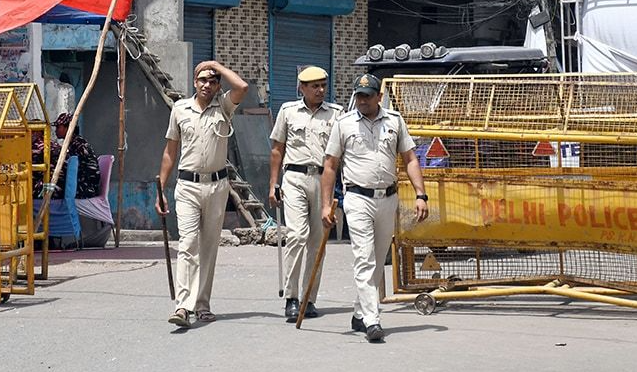
The case, initially registered in Noida, is now being investigated by Delhi Police’s Parliament Street police station, even as the accused faces a wave of online harassment and personal data leaks on social media.
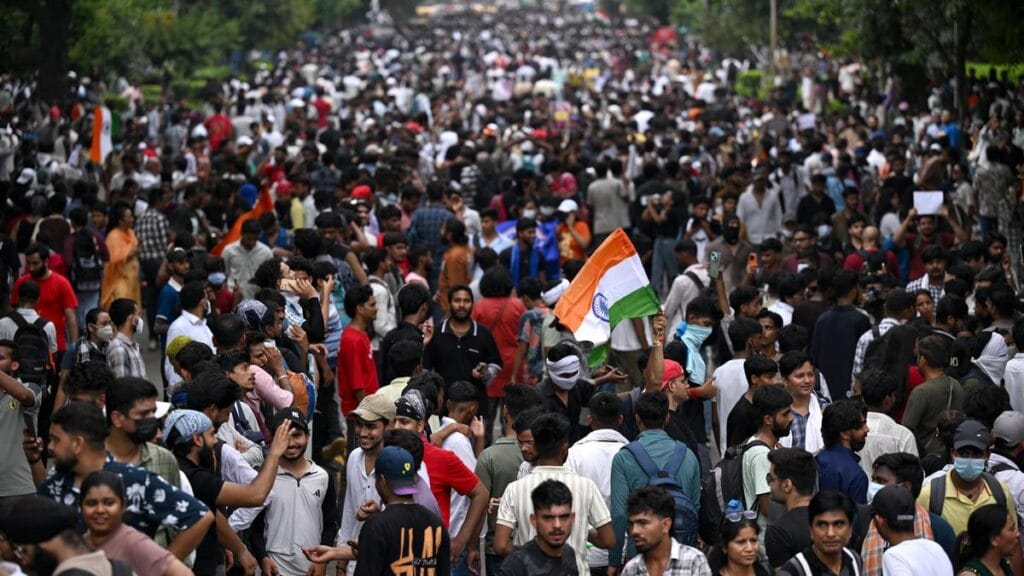
This image is only for illustrations. Image credit: The Hindu
An FIR registered in Noida against a woman for allegedly posting “abusive” content about Prime Minister Narendra Modi has been transferred to Delhi Police, with the case now assigned to the Parliament Street police station for further investigation. The development comes just a day after the FIR first came to light, and as the woman, identified as Ruchika Singh, faces a fresh wave of online threats and doxxing across social media platforms.
When reached for comment, Deputy Commissioner of Police (New Delhi) Sachin Sharma said the case had not yet been handed over to them as of Friday evening. “We will decide the course of action once we get it,” he said. The transfer of jurisdiction from Noida to Delhi highlights the complex interplay between cybercrime, political sensitivity and inter-agency coordination in cases involving online speech about national leaders.
What happened in the Ruchika Singh case?
According to reports, an FIR was registered in Noida against Ruchika Singh over social media posts that were alleged to be “abusive” towards Prime Minister Narendra Modi. The exact content of the posts has not been officially disclosed in detail, but complaints filed by supporters and political workers led to the registration of the case under relevant sections of the Indian Penal Code and information technology laws.
Within hours of the FIR becoming public, the woman’s name, photographs and other personal details began circulating on social media. This phenomenon, known as doxxing, involves the malicious sharing of private information with the intent to harass, intimidate or incite others to take action against the individual. This story was also covered by The Hindu.
In response to the growing online backlash and potential security concerns, the case was transferred to the Parliament Street police station in Delhi, which falls under the central district and often handles cases with political or national significance. The move is seen as an attempt to centralise the investigation and ensure tighter security and coordination.
Why and how the case was transferred
The transfer of the case from Noida to Delhi is likely driven by several factors. First, the nature of the alleged offence — online posts about the Prime Minister — makes it a high-profile case with potential national implications. Second, the wave of online threats and doxxing raises security concerns that may require a more specialised handling than a local police station in Noida.
Parliament Street police station is strategically located near key government and political institutions in central Delhi. It has experience in handling sensitive cases involving public figures, political leaders and high-profile individuals. By transferring the case there, authorities may be aiming to:
Ensure better coordination with central agencies if needed
Provide enhanced security for the accused given the online threats
Streamline the investigation under a single jurisdiction
Yeh issue kaafi important hai because it shows how online cases can quickly escalate from a local FIR to a matter requiring central-level police attention.
Statements from police and officials
Deputy Commissioner of Police (New Delhi) Sachin Sharma, when asked about the case, said it had not yet been formally handed over to Delhi Police as of Friday evening. “We will decide the course of action once we get it,” he said, indicating that the transfer process was still underway and that the department would formulate its strategy after receiving the case file.
In Noida, officials have not yet issued a detailed public statement on the rationale for the transfer, but sources suggest that the decision was taken in consultation with senior officers in both Uttar Pradesh and Delhi. The aim is to avoid jurisdictional confusion and ensure that the investigation proceeds smoothly without being hampered by inter-state procedural delays.
Legal experts note that in cases involving cyber offences, jurisdiction can be complex. If the alleged posts were made from Delhi, or if the complainants are based in Delhi, it can strengthen the case for Delhi Police to take over. Similarly, if the accused is residing in Delhi or if the threat perception is higher in the capital, that can also influence the decision.
Background and context
Cases involving alleged online abuse or defamation of political leaders are not new in India. In recent years, there have been multiple instances where individuals have faced FIRs, arrests or legal action over social media posts critical of the Prime Minister, chief ministers or other high-ranking officials.
At the same time, there has been a rise in online harassment campaigns against individuals who are perceived to be anti-government or critical of the ruling establishment. Doxxing, trolling and coordinated abuse have become common tools used by digital mobs to intimidate critics.
The legal framework for such cases typically involves sections of the IPC related to defamation, criminal intimidation and promoting enmity, as well as provisions of the Information Technology Act for online offences. However, the application of these laws is often debated, with civil liberties groups arguing that they can be misused to suppress free speech.
Timeline
Earlier in the week: Alleged “abusive” posts on PM Narendra Modi by a woman named Ruchika Singh surface online.
Thursday: FIR registered in Noida against Ruchika Singh; news reports begin to circulate.
Thursday night–Friday: Online threats and doxxing against the woman intensify across social media platforms.
Friday: A Senior Delhi Police officer confirms the case was transferred to the Parliament Street police station for further investigation.
Friday evening: DCP (New Delhi) Sachin Sharma says the case is not yet handed over; action is to be decided after receipt.
Also Read: Delhi Government Announces Withdrawal of Legal Action in NEET-UG Agitation
Why This Matters
This matters because it sits at the intersection of free speech, online safety and political sensitivity. On one hand, there are laws against abusive or defamatory content, especially when it targets public figures. On the other, there is a growing pattern of using legal action and online mobs to silence critics, which can have a chilling effect on dissent.
It also matters because doxxing and online threats pose real-world risks. When personal details are leaked, individuals can face harassment at their homes, workplaces and social circles. In extreme cases, it can lead to physical attacks or forced displacement.
For the digital ecosystem, the case is a reminder that online actions have offline consequences. A post made in seconds can trigger an FIR, a police investigation and a wave of harassment that lasts for months. In simple Hinglish, ek post se poora life disrupt ho sakta hai.
India angle
For Indian readers, this story is directly relevant because social media is now a primary battleground for political discourse. From Twitter to Facebook to Instagram, posts about leaders and parties can go viral within hours, attracting both support and backlash.
The India angle also includes the legal dimension. Indian courts have been grappling with the balance between free speech and reasonable restrictions. While hate speech and incitement are not protected, mere criticism or satire is supposed to be allowed. The challenge is ensuring that laws are not weaponised to punish dissent.
There is also the safety dimension. Women, in particular, face disproportionate online harassment in India. When a woman is doxxed, the risks include not just trolling but also stalking, workplace harassment and threats to family members. This case highlights how quickly an online dispute can turn into a real-life safety issue.
Analysis
My opinion is that the transfer to Delhi Police is a logical move given the sensitivity of the case. Parliament Street is better equipped to handle high-profile investigations and coordinate with central agencies if needed. However, the real test will be whether the investigation remains fair and proportional or whether it becomes a tool to send a broader message to critics.
I also think the doxxing aspect needs more attention. While the FIR is a legal matter, the online harassment is a separate issue that requires action under cybercrime and women’s safety frameworks. If the state does not act against doxxing, it indirectly signals that such behaviour is acceptable.
What Next
The immediate next step will be the formal handover of the case file from Noida Police to Delhi Police. Once received, the Parliament Street police station will decide on the course of action, which may include questioning the accused, recording statements from complainants and examining the digital evidence.
If the online threats and doxxing continue, the woman may seek protection from the police or file a separate complaint against those harassing her. That could lead to parallel investigations: one into the original posts and another into the online abuse campaign.
Longer term, the case could become a reference point in debates over free speech, online harassment and the use of FIRs in political contexts. If the courts intervene or if higher police authorities issue guidelines, it could shape how similar cases are handled in future.
Conclusion
The transfer of the FIR against a Noida woman over alleged “abusive” posts on Prime Minister Narendra Modi to Delhi Police’s Parliament Street station underscores the high-stakes nature of online speech in India’s polarised digital environment. As the investigation moves forward, the woman faces not just legal scrutiny but also a wave of online threats and doxxing that raises serious safety concerns.
For India, the case is a reminder that the digital realm is no longer a separate space; it is deeply intertwined with law, politics and personal security. How authorities handle both the FIR and the harassment campaign will send a signal about the balance between accountability and freedom in the online age.
Written By A. Jack