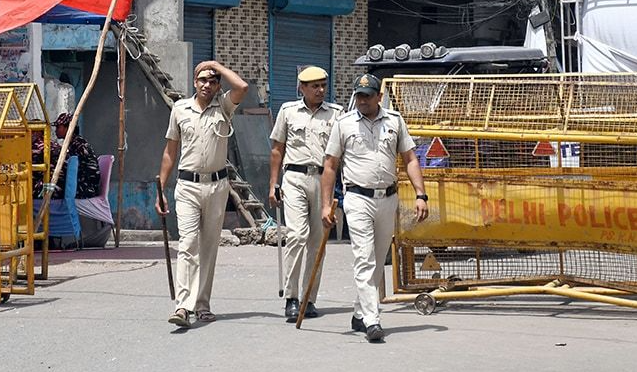
The Delhi Transport Corporation has also launched a special awareness drive in all buses as the adoption of Pink Saheli card remains slow. Officials say the move is intended to bring more structure and accountability to the free travel system.
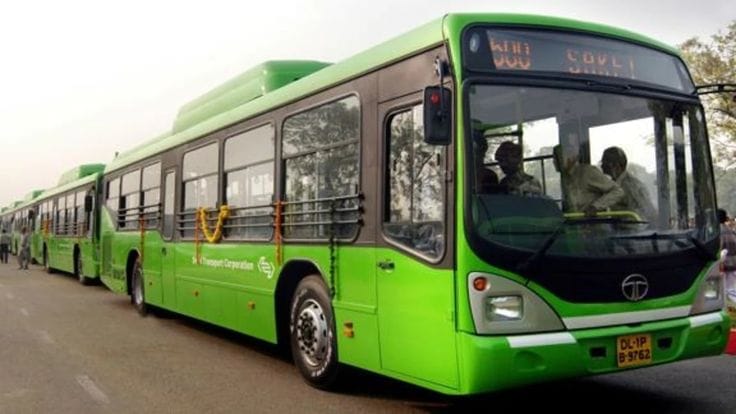
This image is only for illustration.
Delhi Free Bus Travel Rules Change: Delhi’s free bus travel scheme for women is set to undergo a major change from August 1, 2026, with the Pink Saheli smart card becoming mandatory for availing the benefit. According to officials, women passengers will no longer be able to travel free on DTC buses unless they have a valid Pink Saheli card and tap it at the time of boarding. The announcement has sparked fresh attention because the move directly affects daily travel for lakhs of women commuters in the capital.
The Delhi Transport Corporation has already begun a special drive on its buses, asking women passengers to get the card before the deadline. This is not just an administrative update; it is a significant shift in how the city’s free travel system will work. Yeh issue kaafi important hai because it touches mobility, convenience, inclusion and the practical realities of public transport in Delhi.
What Changed
Until now, women could avail themselves of free bus travel in Delhi through the existing pink ticket system. From August 1, that will no longer be enough unless the commuter has a Pink Saheli smart card. Officials said that from the new date, pink tickets will be issued only to women passengers who hold a valid card and tap it during boarding. This story was also covered by The Hindu.
This means the free travel scheme is moving from a broad, paper-ticket-based benefit to a more digitised and trackable format. The change appears designed to make the system more organised and reduce misuse. It also means that women who have not yet applied for the card will need to do so quickly if they want uninterrupted travel.
For regular bus users, this is a major practical shift. If a woman boards a DTC bus without the card after August 1, she may no longer be able to access free travel in the same way she did earlier. That is why the next few weeks are likely to be busy for both commuters and transport staff.
Why the Government Is Doing This
Officials have said the government is concerned about the slow adoption of the Pink Saheli card among women commuters. That slow uptake seems to be one of the main reasons the mandatory rule has now been introduced. If too few eligible passengers adopt the card, the scheme becomes harder to track and less effective in its digital form.
The smart card system also helps the transport department collect better data on ridership. With a tap-based mechanism, the government can understand how many women are using buses, where demand is highest and how the scheme is functioning overall. That kind of data is useful for planning routes, crowd management and long-term transport policy.
There is also an accountability angle. Smart cards usually reduce the room for duplication and simplify verification. In a city like Delhi, where bus transport is a vital lifeline for students, workers and homemakers, that can make the system more manageable. But the transition has to be smooth, or it risks causing inconvenience to the very people it is meant to help.
How the System Will Work
From August 1, women passengers will need to carry a valid Pink Saheli smart card and tap it when boarding the bus. Pink tickets will be issued only after that verification. In simple terms, the card becomes the key to continuing free bus travel under the scheme.
This suggests that the government wants the free travel benefit to be tied more tightly to identity and usage. The card likely serves as both a travel pass and a record of eligibility. That should make the process more transparent, but it also raises a very real question: what about women who have not yet obtained the card or who face difficulties in getting it on time?
That is where the special drive by DTC becomes important. Officials are apparently using bus routes themselves as awareness platforms, advising women commuters to obtain the card before the deadline. This is a smart move because it reaches the exact audience affected by the change. Still, the success of the rollout will depend on how quickly the information spreads and how easy the card application process is.
Background and Context
Delhi’s free bus travel for women has been one of the city’s most visible public transport welfare measures. It has made buses more accessible for women across income groups and has been widely discussed as a social policy intervention. For many women, free bus travel is not just a benefit — it is what makes daily movement affordable and practical.
The Pink Saheli card appears to be the government’s attempt to bring that welfare scheme into a more structured digital format. In modern public transport systems, smart cards are often used to reduce friction and improve monitoring. Delhi is now moving in that direction for women’s free travel as well.
The challenge, however, is always in implementation. A welfare scheme can be popular and still run into trouble if the transition to a new system is not well managed. When rules change suddenly, commuters may face confusion at bus stops, queues at card centres and uncertainty over whether they can board without paying. That is why the next few weeks matter so much.
Timeline
Earlier period: Women in Delhi use free bus travel through the pink ticket system.
Before July 10, 2026: Adoption of the Pink Saheli smart card remains slow.
Friday, July 10, 2026: Officials announce that the card will become mandatory from August 1.
Same day: DTC launches a special drive across buses to inform women commuters.
August 1, 2026: Pink tickets will be issued only to women holding a valid Pink Saheli smart card.
Also Read: Delhi Gets 300 Electric Buses and Three New Depots as Push for Cleaner, Smarter Public Transport
Why This Matters
This matters because public transport access affects everyday life in a very direct way. For many women in Delhi, free bus travel supports work commutes, college travel, shopping trips and family responsibilities. If the transition to the smart card is confusing or delayed, it can create real inconvenience. Yeh issue kaafi important hai because small policy changes in transport can have a big impact on daily mobility.
It also matters because this is a test of how well a government welfare scheme can move from a manual process to a digital one. If the rollout works smoothly, it could become a model for better transport administration. If it does not, it may lead to frustration, queues and missed bus rides.
There is also a fairness angle. A mandatory card system can improve tracking, but only if every eligible passenger has a fair chance to get the card on time. The policy must balance administration with accessibility. Otherwise, the benefit may become harder to use for the very people it is intended to support.
India Angle
For Indian readers, this story fits into a broader national conversation about digitisation, public transport and women’s mobility. In Hinglish, seedhi baat yeh hai: welfare scheme achhi hai, but usko use karna bhi easy hona chahiye. Many Indian cities are moving toward smart card-based transit systems, and Delhi’s move will be closely watched.
This is especially relevant in India because women’s safe and affordable travel is still a major policy issue. Free or subsidised bus rides can be a big support for household budgets, but only if the process is simple. Delhi’s example could influence how other states think about digitising women-focused transport benefits.
It also shows how Indian cities are trying to balance welfare with data-driven governance. Governments want better records, better control and lower misuse. But commuters want convenience and clarity. That tension is at the heart of this update.
Analysis
My opinion is that the policy shift makes sense on paper, but execution will decide everything. A smart card system can definitely improve transparency and efficiency. But if the public-facing process is weak — unclear registration steps, long queues or poor communication — then commuters may see it as a burden rather than an upgrade.
I also think the timing is crucial. Announcing a mandatory card requirement with a relatively short runway means the government must now focus on outreach. The special drive on buses is a good start, but it may not be enough for all commuters, especially those who travel irregularly or live far from card-issuing centres.
From an editorial perspective, this is one of those stories that sits at the intersection of policy and daily life. It may sound administrative, but for a woman who depends on a bus every morning, it is a very real and immediate change. That is why such updates often get strong local engagement.
What Next
The next step will be the rollout of the mandatory Pink Saheli card rule from August 1. In the coming days, DTC is likely to intensify its awareness efforts so more women can get the card before the deadline. Transport counters, bus announcements and on-ground messaging may become more visible.
Women commuters who regularly use DTC buses will need to check whether they already have the card and, if not, how soon they can apply. The smoothness of the transition will depend on card availability and public awareness. If too many passengers arrive at stops unprepared, there could be confusion at boarding points.
The government may also need to monitor the first few weeks closely and respond to any operational issues. If there are complaints about delays or access problems, officials may have to refine the rollout. In short, the policy’s success will depend not just on the announcement but also on the ground-level experience after August 1.
Conclusion
Delhi’s decision to make the Pink Saheli smart card mandatory for free bus travel from August 1 marks an important shift in the city’s transport policy. The move is meant to improve structure, tracking and accountability, but it also places a new responsibility on women commuters to obtain and use the card on time. With DTC already running an awareness drive, the next few weeks will be crucial for public understanding and smooth implementation. If handled well, the change could modernise a popular welfare scheme. If handled poorly, it could create avoidable inconvenience for the women who rely on buses every day.
Written By A. Jack