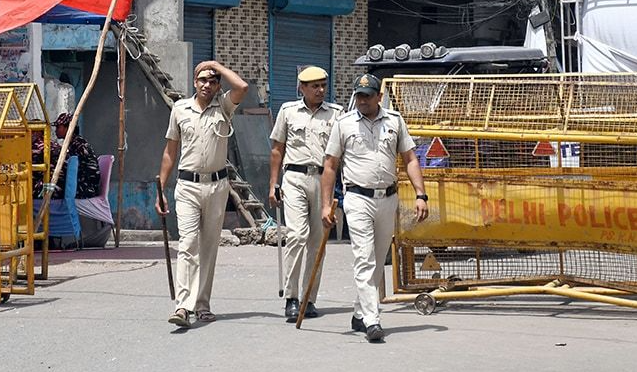
The order highlights the gravity of cases of cheque dishonour and the legal implications for repeated default. It also demonstrates how civil and criminal liability can overlap when large amounts go unpaid for years.
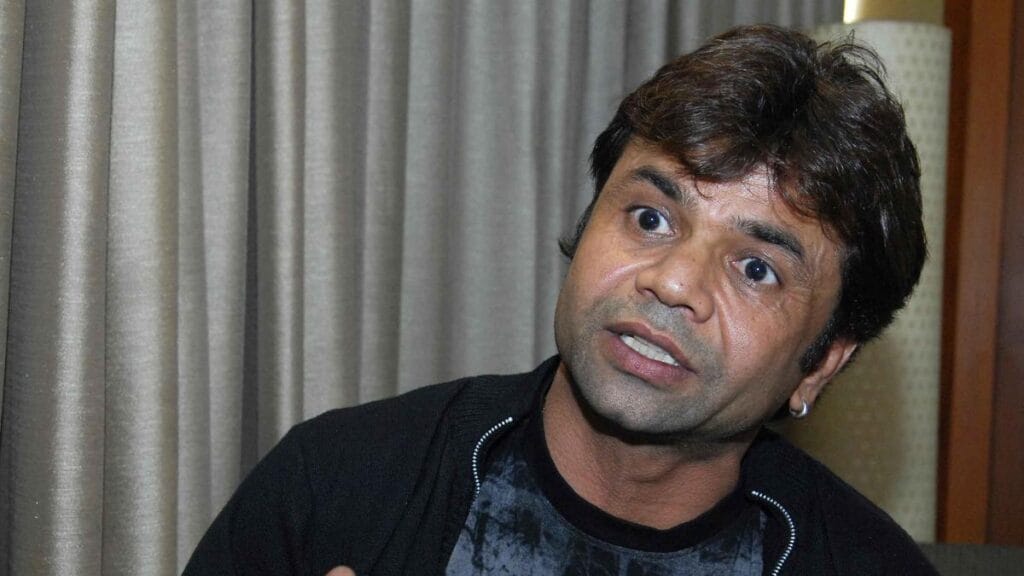
Actor Rajpal Yadav as the Delhi High Court upholds his conviction in cheque-bounce cases and orders jail time along with substantial compensation. Image Credit: The Hindu
Delhi HC Upholds Rajpal Yadav: In a significant legal development, the Delhi High Court on Friday, July 10, 2026, upheld the conviction of actor Rajpal Yadav in cheque-bounce cases and sentenced him to three months’ imprisonment. The court, through Justice Swarana Kanta Sharma, also directed Yadav to pay more than ₹1 crore to the complainant in each of the seven complaints. The ruling has drawn attention not only because a known film personality is involved, but also because it underlines how seriously Indian courts treat financial dishonour cases.
This is a major order because cheque-bounce disputes are common in India, but cases involving repeated default, large amounts and long legal battles often become precedent-setting in public perception. Yeh matter kaafi important hai because it shows that celebrity status does not shield anyone from the consequences of unpaid financial obligations.
What the Court Ordered
The High Court’s order upheld the conviction already recorded in the cheque-bounce matter. In addition to confirming guilt, the court imposed a three-month jail term on Rajpal Yadav. It also directed him to pay more than ₹1 crore to the complainant in each of the seven complaints, which makes the financial component of the judgement especially significant. This story is also covered by The Hindu.
Cheque-bounce cases in India usually arise under Section 138 of the Negotiable Instruments Act, which deals with dishonour of cheques due to insufficient funds or similar reasons. Once such cases are proved, courts can impose both compensation and imprisonment depending on the facts, the conduct of the accused and the history of the dispute. In this case, the court appears to have taken a strict view, likely influenced by the scale of the unpaid liability and the length of the dispute.
The order also signals that courts continue to treat financial discipline as a serious legal obligation. A bounced cheque is not seen as a minor paperwork issue when large amounts are involved. It is treated as a breach of trust with consequences that can include jail time.
Why This Case Matters Legally
This ruling matters because cheque-bounce cases are among the most common financial disputes in Indian courts. Many people assume that such matters are only civil in nature, but Indian law gives them criminal consequences as well. That means a dishonoured cheque is not just a payment failure; it can become a prosecutable offence.
The Rajpal Yadav case brings that reality into public focus. When a well-known actor is convicted and sentenced, the ruling becomes more visible to ordinary citizens. It reminds businesses, lenders, private parties and even small traders that written payment commitments carry legal weight. In India’s credit-driven economy, this is a very real issue.
The size of the compensation order is also important. Directing payment of more than ₹1 crore in each complaint shows how the court views the seriousness of the default. The message is straightforward: if money is owed and legal notices are ignored, the eventual cost can be much larger than the original transaction.
Background and Context
Cheque-bounce disputes often stretch over many years because they move slowly through trial courts, appeals and revisions. That long timeline is one reason such cases can become exhausting for both the complainant and the accused. In many instances, the original payment issue is only part of the story. The larger story becomes one of prolonged non-payment, repeated legal notices and mounting litigation.
The Rajpal Yadav matter has now reached a point where the High Court has stepped in decisively. The conviction being upheld suggests that the court found no reason to disturb the lower court’s findings. For the complainant, that is a significant legal victory. For Yadav, it means the consequences of the case have become much more severe.
This also fits into a broader pattern in India where financial disputes involving cheques, loans and business transactions increasingly end up in criminal courts. The system is designed to discourage cheque misuse and reinforce trust in commercial transactions. When a cheque bounces, it can affect not just one payment but the credibility of the entire financial chain around it.
Timeline
Earlier years: Cheque-bounce complaints are filed against Rajpal Yadav in multiple cases.
Trial and lower court stage: Conviction is recorded in the matter.
Friday, July 10, 2026: Delhi High Court upholds the conviction.
Same order: Justice Swarana Kanta Sharma sentences Yadav to three months in jail.
Also in the order: The court directs payment of more than ₹1 crore in each of seven complaints.
How Such Cases Are Seen by Courts
Courts generally look at whether the cheque was issued for a valid liability, whether it was dishonoured, whether notice was issued properly and whether payment was made after notice. If the accused fails to clear the dues or cannot justify the bounce satisfactorily, courts may uphold conviction. In bigger cases, the conduct of the accused over time also matters.
The sentencing in cheque-bounce matters can vary depending on the facts. Some cases end in compensation and settlement, while others lead to imprisonment if the court finds repeated non-compliance or serious financial disregard. Here, the three-month jail term suggests the court believed stronger consequences were necessary.
The fact that there are seven complaints makes the issue more complex. Multiple bounced-cheque complaints often point to a wider commercial relationship rather than a one-off mistake. That can raise the stakes because the court may treat the conduct as repeated default rather than an isolated lapse.
Also Read: Delhi High Court Clears 85 Advocates for Senior Advocate Designation After 2024 Rejection Row
Why This Matters
This matters because financial trust is the backbone of everyday business in India. When cheques are issued, the expectation is that they will be honoured. If that trust breaks down, businesses become more cautious, transactions slow down and legal disputes increase. Yeh issue kaafi important hai because it affects not just one actor or one complainant but the broader credibility of financial dealings.
It also matters because high-profile cases shape public understanding of the law. When celebrities face consequences, it reinforces the idea that courts do not operate on fame. That can improve confidence in the justice system, especially among people who often feel that legal outcomes differ for powerful individuals.
For small businesses and individual lenders, such judgements are a reminder to keep documentary proof, written notices and proper records. Indian courts rely heavily on those materials in cheque-bounce litigation. The ruling therefore has a practical lesson for anyone using cheques in business or private transactions.
India Angle
For Indian readers, this case is a very relatable example of how common financial disputes can turn into criminal matters. In Hinglish, seedhi baat yeh hai: cheque issue karna easy hai, lekin uski liability serious hoti hai. Many people across India still rely on cheques for business, rent, personal loans and settlements, so the legal consequences of default matter to a wide audience.
The case also highlights the importance of financial discipline in a country where court systems are already burdened with millions of pending cases. Cheque-bounce litigation is a major part of that load. Every such case reminds businesses to be more careful and encourages parties to settle dues before matters escalate.
There is also a media angle here. Because Rajpal Yadav is a known actor, the ruling will travel quickly across India’s news cycle. But beyond the celebrity factor, the real story is about accountability in money matters. That makes it relevant to traders, professionals and everyday citizens alike.
Analysis
My opinion is that the court’s decision sends a firm message. In India, cheque-bounce cases are often treated as “payment disputes”, but this ruling shows that repeated default can have real criminal consequences. That is important because too many people still think of bounced cheques as negotiable problems that can simply be delayed. The court has signalled otherwise.
I also think the scale of the compensation order is notable. Orders exceeding ₹1 crore in each complaint are not symbolic. They reflect a serious financial liability and may become the biggest practical burden in the case. The broader lesson is that legal delay does not erase debt — in many cases, it increases pressure.
At the same time, this is the kind of ruling that may encourage settlements in similar cases. When parties see that courts are willing to uphold conviction and impose jail time, they may be more likely to resolve disputes earlier. That could help reduce litigation in the long run.
What Next
The next steps may include any legal remedies available to Rajpal Yadav, depending on what his legal team decides. In such cases, accused persons sometimes seek further relief through higher forums, request suspension of sentence or attempt settlement with the complainant. The final outcome will depend on how the legal process moves forward from here.
For the complainant, the judgement strengthens the position to seek payment and enforce the order. If the compensation is not paid, further legal steps may follow. That means the case could continue to move even after the High Court’s ruling.
More broadly, the judgement may be cited in future cheque-bounce disputes as an example of how courts approach repeated financial default. That makes it relevant beyond this one actor and one case. The legal impact may outlast the headlines.
Conclusion
The Delhi High Court’s decision to uphold Rajpal Yadav’s conviction in cheque-bounce cases and sentence him to three months in jail is a serious reminder that financial promises carry legal consequences. With compensation of more than ₹1 crore ordered in each of seven complaints, the ruling underscores the courts’ firm approach toward repeated payment default. For the complainant, it is a major victory. For the legal system, it is another signal that cheque dishonour is no small matter. In a country where financial trust matters deeply, this judgement sends a clear and timely message.
Written By A. Jack