H1N1 accounts for 2,308 of Delhi’s nearly 3,000 influenza cases this year; the government says hospitals have medicines, staff and isolation wards but asks people to stay alert to serious symptoms.
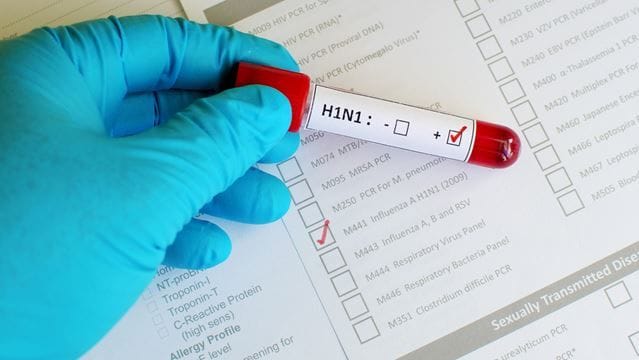
This image is only for illustrations.
Delhi has reported 2,308 cases of H1N1 influenza, commonly called swine flu, among around 3,000 influenza infections recorded in the national capital this year, according to the Delhi Health Department.
With H1N1 accounting for the overwhelming majority of reported influenza cases, Chief Minister Rekha Gupta has called an emergency review meeting to assess preparedness, hospital capacity and the response to seasonal influenza as well as vector-borne diseases.
Delhi Health Minister Pankaj Kumar Singh said the situation remains under control, with adequate doctors, medicines and hospital beds available. He also said isolation wards have been created in every hospital and warned that action would be taken if a patient was denied a bed.
Officials have urged residents not to panic but to take fever, persistent cough, breathing difficulty and worsening symptoms seriously.
Delhi’s H1N1 Numbers Explained
The latest count presents a clear picture of the current flu burden in Delhi.
| Category | Reported cases in 2026 |
|---|---|
| Total influenza cases | Around 3,000 |
| H1N1 cases | 2,308 |
| Other influenza strains | Around 692 |
| Share of influenza cases identified as H1N1 | About 77% |
At 2,308 cases, H1N1 is the predominant influenza subtype in Delhi this year.
The rise is significant because only days earlier, the H1N1 count had been reported at 1,777. The increase may reflect more infections, greater testing, delayed reporting, or a combination of these factors. Authorities have not suggested that Delhi is facing an uncontrolled outbreak, but the growing numbers have prompted enhanced surveillance and hospital readiness. This story was also covered by The Hindu.
The city is also dealing with seasonal concerns such as dengue, malaria and chikungunya, which can overlap with influenza in symptoms like fever, body ache and fatigue.
Emergency Review Meeting Called
Chief Minister Rekha Gupta called for an emergency review meeting after the increase in influenza cases.
Health Minister Pankaj Kumar Singh chaired a meeting with senior officials from the Delhi Health Department, Municipal Corporation of Delhi (MCD), New Delhi Municipal Council (NDMC) and Delhi Cantonment Board.
The review focused on:
H1N1 and seasonal-influenza trends
Vector-borne disease preparedness
Hospital bed availability
Availability of doctors and staff
Medicine stocks
Testing capacity
Isolation arrangements
Infection-control measures
Public awareness and surveillance
“There is no problem of doctors, staff or medicines. The Chief Minister has called an emergency review meeting. I assure you there is no problem; everything is under control,” Singh said.
He also said, “There is no need for panic. Patients are coming, but they are getting treated and then going back. Isolation wards have been created in every hospital. If any patient complains of not being provided a bed, action will be taken against the hospital.”
Hospitals Directed to Strengthen Readiness
Delhi’s government hospitals are being asked to strengthen respiratory-illness preparedness.
In a later virtual review with medical directors and medical superintendents, Health Minister Singh instructed government hospitals to set up dedicated flu corners, maintain adequate medicines and ensure round-the-clock availability of doctors and staff.
Hospitals have also been asked to keep a minimum number of isolation beds ready:
| Hospital type | Isolation-bed direction |
|---|---|
| Government hospitals | At least 5 isolation beds |
| Larger hospitals | At least 10 isolation beds |
Dedicated H1N1 wards have been set up at several government hospitals, according to the Health Minister’s office.
The aim is to prevent crowding in general outpatient departments, reduce transmission inside hospitals and ensure that patients with severe respiratory symptoms receive timely assessment.
Common H1N1 Symptoms
H1N1 is an influenza A virus. It is commonly referred to as swine flu, though it spreads from person to person like other seasonal influenza viruses.
Some people may also experience gastrointestinal symptoms, particularly nausea, vomiting or diarrhea.
Symptoms can overlap with H3N2, COVID-19, common viral fever, pneumonia and dengue. That is why people should avoid self-diagnosis based on one symptom alone.
A doctor may recommend testing when symptoms are severe, prolonged, present in a high-risk person or part of a local surveillance effort.
When to Seek Medical Help
Most people with seasonal influenza recover with rest, fluids and medical guidance. But some cases can become serious, particularly among vulnerable groups.
People should seek urgent medical help if they have:
Persistent high fever
Breathing difficulty
Chest pain or chest pressure
Confusion or unusual drowsiness
Blue lips or face
Severe weakness
Signs of dehydration
Worsening symptoms after initial improvement
Falling oxygen readings on a reliable device
High-risk groups include:
Children under five
Older adults
Pregnant women
People with asthma or chronic lung disease
Patients with heart disease, diabetes or kidney disease
People with weakened immune systems
Healthcare workers with repeated exposure
People in these groups should seek medical advice early rather than waiting for symptoms to become severe.
H1N1 and Seasonal Influenza
H1N1 became widely known during the 2009 influenza pandemic, but it now circulates as one of the seasonal influenza viruses.
The infection spreads mainly through respiratory droplets released when an infected person coughs, sneezes or speaks. It can also spread through close contact and contaminated hands or surfaces.
Transmission is more likely in crowded indoor spaces, including schools, offices, public transport, hospitals and households.
The current Delhi increase comes amid changing weather conditions and a broader seasonal rise in respiratory illnesses. Doctors have also warned that cases of dengue and other monsoon-related diseases are rising in parallel, making early medical assessment important.
The government’s objective is not to create alarm. It is to ensure that hospitals detect severe cases early, maintain isolation capacity and prevent avoidable complications.
Also Read: Delhi-NCR H1N1 Cases Rise: Falling Oxygen, Severe Breathing Issues Raise Concern
Timeline
Earlier in August 2026: Delhi records 1,777 H1N1 cases, including 114 reported in a single day.
August 25: H1N1 tally rises to 2,308; Delhi reports around 3,000 influenza cases in total for the year.
August 25: Chief Minister Rekha Gupta calls an emergency review meeting on H1N1 preparedness.
Same day: Health Minister Pankaj Kumar Singh reviews arrangements with officials from the Health Department, MCD, NDMC, and Delhi Cantonment Board.
After review: Government says doctors, beds and medicines are available; isolation wards are reported across hospitals.
August 26: Health Minister conducts a virtual review with government-hospital medical directors and superintendents.
Hospital directions: Government hospitals are asked to maintain at least five isolation beds; larger facilities are asked to keep 10 or more ready.
Ongoing: Delhi health authorities continue influenza surveillance, hospital preparedness review and public health communication.
Why This Matters
Yeh issue kaafi important hai because H1N1 is responsible for most influenza infections reported in Delhi this year.
Large share of cases: H1N1 accounts for 2,308 of around 3,000 influenza infections—about 77% of the total.
Hospital readiness: The rise is testing the city’s ability to provide beds, oxygen, medicines and timely diagnoses for respiratory patients.
High-risk patients: Elderly people, young children, pregnant women and those with chronic illness face a higher risk of severe complications.
Overlap with monsoon illnesses: Fever and body pain may be caused by influenza, dengue, malaria or other infections, making medical evaluation important.
Public communication: Authorities need to reassure citizens without encouraging complacency. “No panic” does not mean “ignore symptoms.”
The emergency meeting indicates that the government is treating the increase seriously, even while insisting that the system remains prepared.
India Angle
Delhi’s H1N1 rise is relevant for other Indian metros, including Mumbai, Bengaluru, Chennai, Pune, Hyderabad and Kolkata, where weather changes, crowding and high commuter density can speed up respiratory virus transmission.
The situation highlights the importance of routine precautions:
Stay home when feverish or acutely unwell
Wear a mask in crowded indoor places if you have cough or cold symptoms
Cover coughs and sneezes
Wash hands regularly
Keep rooms ventilated
Avoid sharing utensils and towels when sick
Protect older adults, babies and people with chronic illness
Consult a doctor for persistent or worsening symptoms
Annual influenza vaccination can reduce the risk of severe illness for eligible high-risk individuals, especially older adults, people with chronic conditions and healthcare workers.
H1N1 ko lightly nahi lena chahiye, but panic karne ki bhi zaroorat nahi hai. Timely care, simple precautions and accurate information are the best defense.
Analysis
The Delhi government’s response has two parts: reassurance and preparedness. Both are necessary.
The reassurance is based on the government’s claim that doctors, staff, medicines and beds are available. The preparedness element includes isolation wards, flu corners, hospital reviews and minimum isolation-bed requirements.
The important test will be whether these measures work at ground level. Patients should be able to access care without long waits, confusion over testing or denial of beds.
In my view, authorities should publish regular, standardized updates on:
New influenza cases
Severe cases and hospitalisations
Bed and oxygen capacity
Testing availability
District-level trends
Public-health advisories
Transparent data will help residents make informed decisions and reduce rumors.
What Next
The next few weeks will be crucial for Delhi’s health system.
Enhanced surveillance: Health authorities will track influenza-like illness and severe respiratory infections across hospitals.
Flu corners and isolation beds: Hospitals will strengthen dedicated screening and isolation arrangements.
Vector-borne disease monitoring: Authorities will simultaneously monitor dengue, malaria and chikungunya cases.
Public awareness: Doctors and government agencies are likely to reinforce advice on symptoms, masks, hygiene and early consultation.
Hospital accountability: The government has said action will be taken if eligible patients are denied beds.
Vaccination guidance: High-risk people may be encouraged to discuss seasonal influenza vaccination with their doctor.
Conclusion
Delhi’s H1N1 count has crossed 2,300, with 2,308 cases among roughly 3,000 influenza infections reported this year.
Chief Minister Rekha Gupta’s emergency review meeting reflects the seriousness of the rise, but the Delhi government says hospitals have adequate doctors, medicines, beds and isolation facilities.
For residents, the message is clear: there is no need for panic, but there is every reason to stay alert. Persistent fever, worsening cough, breathlessness, chest pain and falling oxygen levels should not be ignored.
Delhi ke liye ab focus simple hai—early testing, quick treatment, proper hospital access and responsible public behaviour. That is how a seasonal influenza surge can be managed before it becomes a larger crisis.
Written By A. Jack