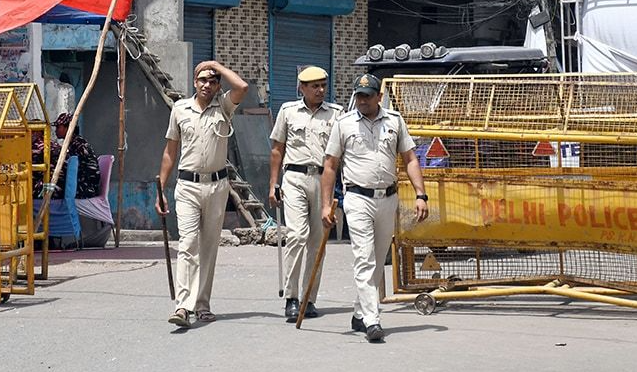
The 85 new senior advocates include 10 women, among them Manali Singhal, reflecting a broader spread of recognition across the legal profession. Of the 86 names before the full court, one had a dissent recorded against it, according to reports.
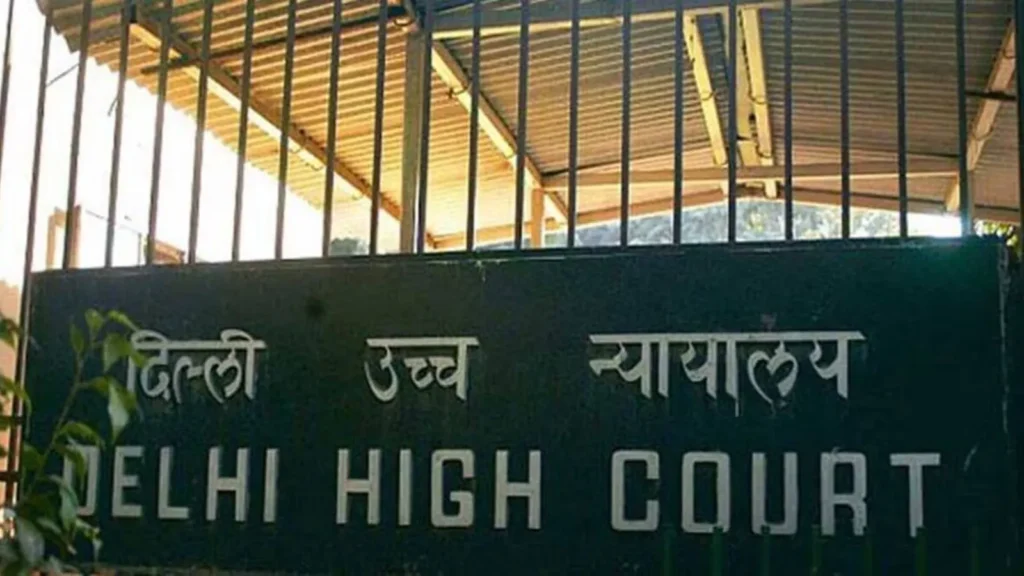
Delhi High Court gate where a full court meeting approved the designation of 85 advocates as senior advocates on Thursday evening. Image Credit: Indian Express
In a major development for the legal fraternity, the Delhi High Court on Thursday evening approved the designation of 85 advocates as senior advocates during a full court meeting. The decision comes after a year in which the process had drawn controversy over rejections, and it has now elevated a large batch of lawyers who have built strong reputations in criminal, civil and government litigation. One of the 86 names considered reportedly received a dissent, but the rest were cleared.
The list includes several familiar names from high-profile public law and enforcement work. Among them are ED special counsel Zoheb Hossain, former ED special counsel Nitesh Rana, Delhi government’s standing counsel on the criminal side Sanjay Lao, additional standing counsel on the civil side Satyakam and special public prosecutor Amit Prasad, who represented Delhi Police in the 2020 northeast Delhi riot cases. Ten women, including Manali Singhal, were also designated senior advocates. Yeh decision kaafi important hai because a senior designation in the legal world is not just a title – it is a mark of stature, expertise and trust.
What Happened
The full court meeting of the Delhi High Court considered a batch of advocates for senior designation and approved 85 of them. This process matters because the designation of senior advocate is a formal recognition granted to lawyers who are seen as having exceptional legal ability, experience and standing at the Bar. It is not merely ceremonial. It affects a lawyer’s professional profile, courtroom visibility and influence within the legal system. This story was also covered by The IndianExpress.
The reported inclusion of names such as Zoheb Hossain and Nitesh Rana signals recognition of lawyers who have handled politically and legally sensitive matters, especially in enforcement and criminal litigation. Sanjay Lao and Satyakam are also notable for their roles in representing the government in different matters. Amit Prasad’s designation is important given his role as special public prosecutor in the 2020 northeast Delhi riot cases, one of the city’s most closely watched criminal matters in recent years.
The presence of 10 women among the 85 names is another key feature of this round. In a profession that has traditionally been male-dominated at the higher echelons, such representation matters. It does not automatically solve the gender imbalance in law, but it does send a strong signal that women advocates are being recognised in significant numbers.
Why the Designation Matters
Senior advocate designation carries both symbolic and practical value. Symbolically, it signals that the court views a lawyer as having exceptional merit and standing. Practically, it can influence the lawyer’s visibility in major cases, the nature of briefs they receive and how they are perceived by clients and colleagues. In Indian legal circles, this is one of the most prestigious recognitions an advocate can receive.
The controversy in 2024 over rejections had made the process more sensitive. When a senior designation round becomes publicly debated, it often raises questions about transparency, criteria and institutional judgement. So the fact that the court has now cleared a large batch of advocates suggests that the process has moved forward decisively, even if not without disagreement over one name.
That also makes this a story about institutional trust. Full court designations are not just internal administrative decisions; they shape how the legal community sees merit, influence and fairness. In a city like Delhi, where so many important constitutional, criminal and financial cases are heard, this recognition has a wider impact than many outside the profession may realise.
Who Made the List
The names highlighted in the report reflect a mix of government lawyers, enforcement counsel and public prosecutors. Zoheb Hossain and Nitesh Rana have been associated with the Enforcement Directorate and high-stakes legal work. Sanjay Lao and Satyakam have been prominent in Delhi government litigation. Amit Prasad’s designation is particularly notable because he was the special public prosecutor in the 2020 northeast Delhi riot cases, a matter that attracted national attention.
Manali Singhal and the other women on the list also deserve attention because representation at this level is still a meaningful issue in the Indian legal profession. Senior advocate designation often becomes a platform from which future legal and judicial leadership emerges. When women lawyers enter that space in greater numbers, it has long-term consequences for the profession’s culture and diversity.
The reported dissent over one of the 86 names considered also shows that the process is not merely automatic. Even in a full court setting, there is room for disagreement and internal scrutiny. That is healthy in principle, because such designations should be based on rigorous assessment rather than consensus for its own sake.
Background and Context
The senior advocate designation process has always carried prestige in India. It is reserved for advocates who demonstrate exceptional legal ability, professional integrity and standing at the Bar. Because of that, every major designation round tends to draw attention. The spotlight becomes stronger when there has been a previous controversy, as appears to be the case here with the 2024 rejections.
After controversy, the court’s decision to move ahead with 85 designations may be viewed as an effort to reset the process and reinforce confidence in the selection mechanism. It also reflects how senior advocate recognitions often evolve with the changing profile of the Bar. Government litigation, financial law, criminal prosecution and constitutional disputes have all become more specialised, and the lawyers who repeatedly handle these matters often become strong candidates for recognition.
For Delhi, this is especially significant because the city’s legal ecosystem is one of the busiest in the country. The Delhi High Court regularly handles politically sensitive, high-value and public-interest matters. So the lawyers elevated in this round are likely to play even more prominent roles in the legal conversations that shape the city and, at times, the nation.
Timeline
2024: The senior advocate designation process faces controversy over rejections.
Thursday evening, July 2026: A full court meeting of the Delhi High Court approves 85 advocates for senior designation.
Same meeting: One of the 86 names placed before the court reportedly attracts dissent.
Immediately after: High-profile lawyers such as Zoheb Hossain, Nitesh Rana, Sanjay Lao, Satyakam and Amit Prasad are among those designated.
Also in the list: 10 women advocates, including Manali Singhal, receive the honour.
Why This Matters
This matters because the legal profession depends heavily on credibility, hierarchy and public confidence. When senior advocates are designated, it affects how the profession is structured and how legal excellence is formally recognised. Yeh issue kaafi important hai because these designations influence not only individual careers but also the tone of advocacy in major courts.
It also matters because public trust in legal institutions is strengthened when the process appears merit-based and transparent. If a designation round is seen as arbitrary, it can create resentment in the profession. But if the selections are viewed as balanced and reasoned, it can reinforce confidence in the court’s judgement.
For the wider public, the decision matters because many of these lawyers appear in cases that shape policy, governance and criminal justice. Whether it is financial enforcement, riot trials or state litigation, senior advocates often stand at the centre of matters that affect citizens directly. So this is not just a legal fraternity story — it is a governance story too.
India Angle
For Indian readers, this story is a reminder of how powerful the legal profession is in shaping public life. In Hinglish, seedhi baat yeh hai: Delhi High Court mein senior advocate banna sirf ek title nahi hota, yeh ek bada professional milestone hota hai. Many of the names in this batch are linked to major Indian legal and political cases, which means their elevation will be closely watched across the country.
The inclusion of 10 women is also relevant to India’s wider push for gender representation in high-status professions. In a legal ecosystem where senior positions are still heavily skewed, every visible step toward better representation matters. This round may not solve the imbalance, but it does add momentum.
For students, young advocates and aspirants across India, this news also has an aspirational value. It shows that sustained courtroom work, public law experience and high-profile practice can lead to recognition at the top level. That makes it a story with professional relevance far beyond Delhi.
Analysis
My opinion is that the court has sent a clear signal by clearing such a large batch after a controversial year. It suggests a willingness to stabilise the process and move forward rather than let last year’s disputes dominate the narrative. That said, the recorded dissent shows that the exercise still carries internal debate, which is probably healthy for a designation of this importance.
I also think the list reflects the modern legal marketplace in India. Lawyers who work on enforcement, prosecutions and government litigation now occupy a very visible role in legal journalism and courtroom politics. Their elevation shows how the profession is evolving with the kinds of cases that dominate the Indian legal system today.
The gender angle is worth highlighting too. Ten women in one round is not a trivial number. It does not mean parity, but it does suggest that women lawyers are moving more visibly into elite legal recognition. That should be noted as a positive development.
What Next
The next step will be the formal issuance of designation notices and the public announcement of the final list, if not already completed. Over time, the newly designated senior advocates will likely appear more often in major constitutional, criminal and financial matters before the Delhi High Court and other forums.
There may also be discussion in the legal community about the criteria used, especially if the dissent over one name becomes a point of debate. Such discussion is normal and can even be useful, provided it stays focused on transparency and merit.
For the individuals named, the practical next phase is reputational. They will now carry the senior advocate tag, which can shape how clients, courts and junior lawyers see their work. In the legal profession, that kind of recognition has a long tail.
Conclusion
The Delhi High Court’s decision to designate 85 advocates as senior advocates marks a major legal development after the controversy over rejections in 2024. With high-profile names like Zoheb Hossain, Nitesh Rana and Amit Prasad included, along with 10 women advocates such as Manali Singhal, the round reflects both continuity and change in Delhi’s legal landscape. The designation is important because it recognises excellence, shapes the profession’s hierarchy and influences the handling of major cases. At a time when public trust in institutions matters deeply, such decisions carry weight well beyond the courtroom.
Written By A. Jack