The Malviya Nagar hotel fire that killed 21 people has revived an uncomfortable question: how did a building with so many alleged violations operate for years in full view? Delhi authorities may be announcing reviews and closures, but the bigger problem is enforcement, accountability and why red flags were missed for so long.
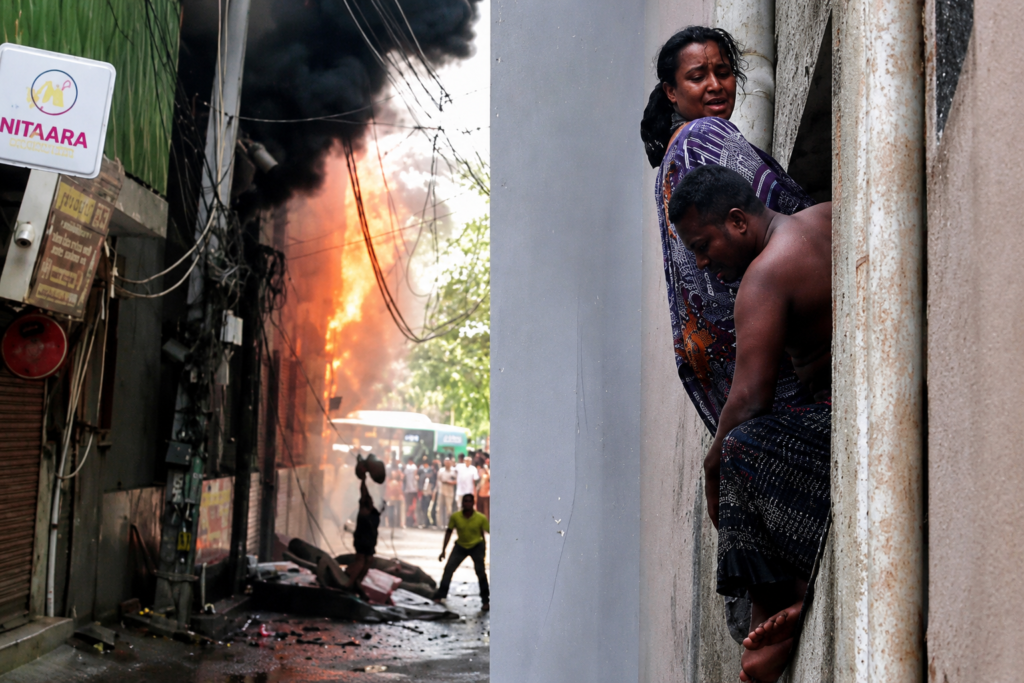
Fire and rescue officials at the Malviya Nagar hotel fire site, where a building operating as a B&B, hotel and restaurant allegedly skipped multiple safety rules.
Delhi Hotel Fire Exposes
The fire at a South Delhi hotel in Malviya Nagar has not only killed 21 people; it has also exposed a familiar cycle in Delhi: disaster, outrage, blame, and delayed accountability. Officials now say the building operated with multiple violations, including running far beyond its permitted room limit under the Bed and Breakfast scheme, but the larger question is how such a setup remained active for years.
The Delhi government has now said it will scrap its B&B policy and review all establishments operating under it. But for victims’ families, that announcement comes after the damage is already done. The tragedy has triggered fresh scrutiny of licensing, inspections, guest verification, fire safety, and the role of different agencies that were supposed to notice the warning signs. Yeh issue kaafi important hai because it shows how a chain of small regulatory failures can end in a mass-casualty disaster.
What Went Wrong
According to officials cited in the report, Flourish Stay was permitted to operate only six rooms under the B&B scheme but was actually running 26 rooms. That is not a minor violation; it is a complete breakdown of the original purpose of the scheme. The policy was meant to support home-based hospitality, not full-fledged hotel operations.
Officials also said the establishment had permission for six rooms in 2024 and its license was due for renewal in 2027. Yet the property was reportedly operating like a commercial hotel, with online bookings, restaurant services, and even PG-style accommodation functioning from the premises. In short, the site appears to have shifted far beyond the category under which it had originally been approved.
The bigger concern is that multiple layers of enforcement seem to have failed at the same time. The tourism department says it only dealt with the B&B registration. MCD officials point to limited jurisdiction because the property falls within a Lal Dora area. Fire officials say the NOC process comes through MCD. Police, meanwhile, were supposed to monitor guest verification. That division of responsibility may look neat on paper, but in practice it created a gap where no one acted in time.
The B&B Policy Problem
The Bed and Breakfast policy was introduced around the Commonwealth Games to encourage tourism by allowing homeowners to host guests in residential buildings. Under the old framework, buildings below 15 meters were not treated as commercial entities, so they did not need a Fire NOC. That made sense when the policy was used for small-scale hosting. NDTV has covered the full story.
But over time, many such establishments appear to have expanded into larger, hotel-like operations while still retaining the B&B label. That is where the system appears to have broken down. A property can start as a modest guesthouse, but once it begins adding rooms, kitchens, restaurants, and extra activities, it is no longer functioning like a simple home stay. It becomes a different kind of business with different safety risks.
Officials also said routine inspections were removed “for the ease of doing business.” That phrase is common in policy debates, but in this case it seems to have had dangerous consequences. If inspections are relaxed and no agency actively checks whether a property has quietly expanded, then violations can pile up for years. This is exactly the kind of regulatory gap that can turn into a disaster.
How the Fire Risk Grew
Fire officials say the preliminary probe suggests the blaze may have started in the ground-floor kitchen. That detail matters because kitchens are one of the most common ignition points in hospitality spaces, especially where gas cylinders, cooking equipment, and ventilation systems are involved.
Some civic officials said they were unaware that a full restaurant, Snacks and Bites, was operating from the premises. The owner had reportedly sought only a Tatkal license for a tea stall in 2023. That license category, officials said, does not require a physical inspection before approval. If a tea-stall permit was being used while a full restaurant with gas cylinders was running, then the gap between paperwork and reality was enormous.
That is not just a technical flaw. It means the building may have been operating in a way that was never fully reviewed by the agencies responsible for safety. In a dense urban locality, this is a recipe for disaster. A single kitchen fire can spread quickly when exits are limited, occupancy is high, and the structure itself has safety violations.
Who Was Supposed to Act
The report shows a troubling pattern: each agency appears to know only part of the picture. The tourism department says it handled B&B registration but not hotel operations or the restaurant. Delhi Fire Services says NOC applications come through MCD. MCD officials say their jurisdiction is limited because of the property’s location in a Lal Dora area. Police were responsible for guest verification, but officials say the required reporting may not have happened.
This kind of fragmented governance often becomes a loophole in Indian cities. When an establishment falls between departments, responsibility becomes diluted. Everyone has a piece of the puzzle, but no one sees the whole picture. That is how violations can remain visible yet unaddressed.
Officials also said action could be taken only if a complaint was received. That raises another obvious question: if the property had expanded from six rooms to 26, why did no regular check flag the issue? If the restaurant and additional guest facilities were operating openly, how did no inspection system catch it earlier? These are the questions that the public will keep asking.
A Pattern Delhi Knows Too Well
This is not the first time Delhi has gone through this cycle. The city has seen several major fire tragedies over the past decade, and each one exposed similar problems: missing clearances, illegal alterations, weak inspections, and overconfidence in paper compliance.
Karol Bagh’s 2019 fire killed 17 people. The owners of Hotel Arpit Palace were arrested, but the trial has not begun. The 2022 Mundka building fire killed 27 people, and despite arrests, the case moved slowly. In Vivek Vihar, eight newborns died in a neonatal care center fire, and the owner was later granted bail after the court said the exact cause of the fire could not be ascertained.
Each case follows a familiar script. First comes the tragedy. Then arrests are made. Then the legal process slows down. Families wait. Files move. Bail follows. And the broader system rarely changes enough to prevent the next disaster. That is the uncomfortable reality behind the Malviya Nagar fire.
Timeline
2024: Flourish Stay is given permission for six rooms under the B&B scheme.
2023-2026: The property expands in practice into a hotel-like setup with a restaurant and extra rooms.
Morning of the fire: A Tatkal renewal request for the tea-stall license is submitted.
Same day: The instant license is issued automatically, then cancelled after the fire.
Fire breaks out: Preliminary probe suggests the blaze may begin in the ground-floor kitchen.
After the fire: Authorities announce reviews, policy changes, and fresh scrutiny of all B&Bs.
Also Read: No Fire NOC, One Exit, Basement Rooms: How Delhi Hotel Negligence Led to 21 Deaths
Why This Matters
This matters because the victims died not only from fire but also from a system that may have tolerated violations for too long. The public expects regulation to work before disaster strikes, not after. If a building is openly operating as a hotel, restaurant, and guesthouse while being registered in a lighter category, then the label on paper becomes meaningless.
It also matters because the case could shape how Delhi handles similar establishments in the future. If the government shuts down the B&B policy without creating a stronger enforcement framework, the city may simply replace one loophole with another. The real fix is not only to review policy but also to inspect buildings, verify use, and enforce rules consistently. Yeh issue kaafi important hai because weak oversight in dense urban areas can cost lives very quickly.
The broader social impact is also serious. Delhi has thousands of small hospitality and mixed-use properties. If the public starts believing that unsafe buildings can operate unchecked, confidence in the city’s regulatory system will weaken further. That affects residents, tourists, medical travelers, and businesses alike.
India Angle
The India angle is clear because this is a story about urban growth outpacing regulation. Indian cities are full of mixed-use properties, converted homes, guesthouses, and small eateries that often fall into grey zones. The bigger the city, the easier it is for papers to look correct while the actual building use changes quietly.
In Hinglish, seedhi baat yeh hai: agar property ka kaam hotel jaisa hai, to safety bhi hotel level ki honi chahiye. You cannot run a restaurant, tea stall, and PG-style accommodation inside one building and expect a small B&B license to cover everything. That mismatch is a problem not just in Delhi but in many growing Indian cities.
The case also shows why coordination matters. Municipal bodies, fire services, police, and tourism departments all play a role. If even one of them treats the matter as someone else’s responsibility, dangerous properties can keep operating. For Indian readers, this is a reminder that governance failures often happen in the gaps between departments.
Analysis
My opinion is that the deeper issue is not just one hotel owner or one license category. It is the structure of enforcement itself. A scheme designed for small residential hosting was apparently allowed to morph into a full commercial operation. That suggests the system relied too much on paperwork and too little on physical verification. The moment inspections were relaxed “for ease of doing business,” the risk profile changed. In my view, the government should not just cancel the current policy; it should replace it with a stronger tiered system that clearly separates homestays, B&Bs, guesthouses, and hotels, with mandatory periodic inspections and cross-departmental data sharing. Otherwise, the same script will repeat again, just with a different building and different victims.
What Next
The immediate next step is likely to be a formal review of all establishments operating under the B&B scheme in Delhi. The government may revoke or overhaul the policy, especially if more properties are found to be functioning as hotels under lighter registration.
MCD, fire officials, and the tourism department may also face questions over why the property’s expansion was not flagged earlier. If the inquiry is serious, it could lead to new inspection protocols, mandatory re-verification of room counts, and tighter scrutiny of premises operating in residential or Lal Dora zones.
For the families of the victims, however, policy reform will not be enough. They will want accountability, compensation, and clear answers about how such a dangerous building remained in business for so long. If criminal negligence is established, there may be more arrests and further legal action.
Conclusion
The Malviya Nagar fire is more than a tragic accident. It is a case study in how policy gaps, departmental silos, and weak inspections can allow a dangerous building to function in plain sight. The property was allegedly operating far beyond its approved limits, with hotel-like services hidden under a B&B label and key agencies each seeing only part of the picture.
Delhi’s decision to scrap or review the B&B policy may be necessary, but it is only the first step. The real challenge is building a system where violations are caught early, not after 21 lives are lost. Until then, the same script of fire, blame, and delay will keep repeating. And that is exactly what the city cannot afford.
Written By A. Jack