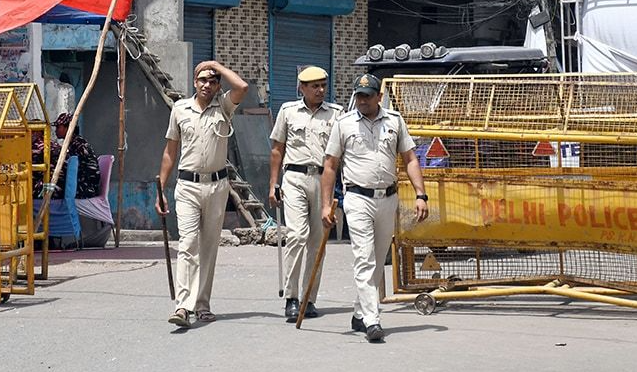
A Delhi University assistant professor living in East Delhi was murdered inside her locked flat, police said. Detectives believe she was struck with a heavy object and the incident is now being investigated as murder.
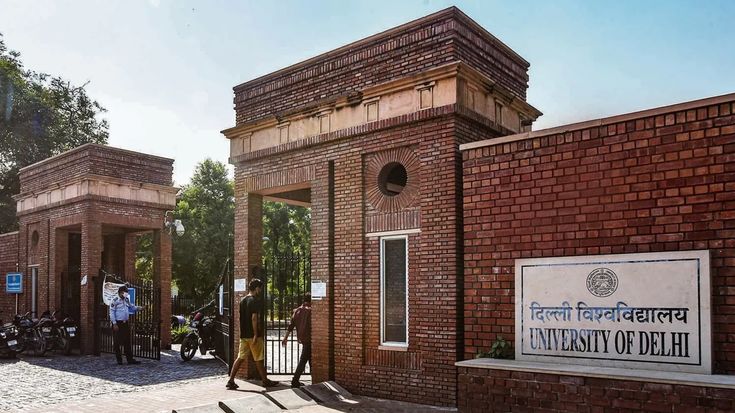
Delhi University Assistant Professor Devosmita Paul was found dead.
A shocking murder case has emerged from East Delhi after a Delhi University teacher was found dead in her flat at Satyam Apartments in Vasundhara Enclave. The deceased has been identified as Devosmita Paul, an Assistant Professor at Shivaji College, who lived alone while her husband stayed in Bengaluru.
According to the police, the incident came to light on Saturday afternoon after her sister reported that she had not been answering calls and that the flat had been locked from the outside since morning. When the sister broke open the lock and entered the apartment, she found Devosmita Paul dead. Preliminary investigation suggests she was hit on the head with a heavy object, and police also noticed that the veins in her wrist had been severed. Yeh case kaafi serious hai because it raises immediate questions about who entered the flat, when the attack happened and how the victim was left alone in such circumstances.
What Police Found
Police said they received a call around 2.35 pm at New Ashok Nagar Police Station. The caller, Devarati Paul, aged 49, told officers that her sister had been found dead. The flat was locked from the outside, which immediately suggested that someone may have left the scene after the incident. NDTV has covered the full story.
Once inside, investigators found signs of violence. There was a deep injury on the head, leading police to believe that a heavy object may have been used in the attack. The wrist wound is also being examined as part of the broader forensic and postmortem investigation. The body has been sent to LBS Hospital for autopsy, which will likely provide more clarity on the exact sequence of events.
Police also said that there was no sign of robbery. Jewelry and cash were found undisturbed inside the house, which means theft does not appear to be the primary motive at this stage. That detail is important because it narrows the investigative field and points investigators toward a possible personal or targeted crime rather than a random break-in.
Why the Case Is Being Treated as Murder
The police have registered a murder case and formed multiple teams to investigate the incident. Based on the available evidence, officials believe the crime may have involved some level of planning or knowledge of the victim’s routine. The fact that the flat was locked from the outside is especially significant, because it suggests the accused may have had access to the apartment or may have deliberately tried to delay discovery.
In cases like this, police usually consider several possibilities: a personal dispute, a domestic angle, someone known to the victim, or an intruder with prior knowledge of the premises. At this stage, the police have not publicly identified a suspect, but they have said they have found several leads and expect an arrest soon.
The presence of a deep head injury and severed wrist veins also makes the scene more complex. Investigators will now have to determine whether the wrist injury happened before or after death, whether it was self-inflicted, and whether it was part of an attempt to stage the scene. Those answers will depend heavily on the postmortem report and forensic examination.
Background and Context
Devosmita Paul was an Assistant Professor at Shivaji College under Delhi University, which makes this case especially disturbing because it involves a respected academic professional living alone in the national capital. Her husband lives in Bengaluru, suggesting that she was staying independently in Delhi for work. That living arrangement is common among professionals in India’s large cities, but it also means safety and social support can become critical issues.
The case also highlights a larger urban reality. Many working women in metro cities live alone or away from family for professional reasons. While this offers independence and career growth, it can also make them more vulnerable when emergencies arise. In this case, the first alarm came only because a family member became worried after repeated calls went unanswered.
The police response appears to have been quick after the discovery, but the actual timeline before that remains under investigation. Authorities will now have to establish when the victim was last seen alive, who had access to the flat, and whether any electronic trail, CCTV footage, or visitor record can help identify the accused.
Timeline
Morning: The flat is reportedly locked from outside.
Later in the day: Devosmita Paul does not answer calls.
Around 2.35 pm: New Ashok Nagar Police Station receives a call from her sister.
Soon after: The sister breaks open the lock and finds the body.
Following discovery: Police arrive, examine the scene, and register a murder case.
Current stage: Multiple teams are investigating and seeking leads.
Why This Matters
This matters because it involves the killing of a university professor in her own home, which is deeply unsettling on both a personal and social level. When a person living alone is found murdered inside a locked flat, it immediately raises concerns about safety, access control, and the speed of emergency response. Yeh issue kaafi important hai because it reminds us how vulnerable people can become even in seemingly secure urban housing.
It also matters because crimes like this can affect public confidence in residential safety, especially for women living independently in cities. Many families send daughters, sisters, and wives to work and live alone in metro areas with the expectation that apartment living is safe enough. When a crime like this happens, it shakes that confidence and forces communities to think harder about security, neighbors, and response systems.
There is also an institutional angle here. Because the victim was a Delhi University professor, the case has attracted attention beyond the immediate neighborhood. The academic community will naturally want answers, and the investigation will likely be watched closely by people across Delhi.
India Angle
The India angle is strong because this is not just a Delhi crime story; it is also a story about urban living in India. More and more professionals are living alone in cities like Delhi, Bengaluru, Pune, Hyderabad, and Gurugram. That trend is linked to career mobility, but it also creates real-world safety concerns.
In Hinglish, seedhi baat yeh hai: independent living achchi baat hai, lekin security, communication, and support systems bhi strong hona chahiye. If a person living alone stops responding, family members often become the only early warning system. In this case, the sister’s concern may have prevented the body from remaining undiscovered for much longer.
For Indian readers, the incident is a reminder that apartment security, visitor monitoring, and neighborhood awareness are not optional. They are essential parts of urban safety, especially for those living alone for work.
Analysis
My opinion is that the most disturbing element is the locked-flat detail. That suggests the killer may have known the victim or had enough access to leave the apartment undetected. It also points to a possible attempt to buy time before the crime was discovered. The absence of robbery means investigators will likely focus on personal relationships, recent interactions, and patterns in the victim’s routine. In cases like this, the early phase of investigation is crucial because small details—phone records, CCTV, building entry logs, and neighbor statements—can make the difference between a fast arrest and a long unresolved case.
What Next
The next step will be the postmortem examination, which should help determine the exact cause and approximate time of death. That will be important for matching the medical findings with the timeline of when the flat was locked and when the family last heard from her.
Police will also continue checking CCTV cameras, mobile records, call logs, and any entry-exit data from the apartment complex. If the accused was known to the victim or had visited the flat earlier, that trail may emerge quickly. The investigation may also involve questioning neighbors, security staff, and people from the college or personal circle if needed.
If the police are confident about their leads, an arrest may follow soon. After that, the case could move into a broader probe into motive, access, and possible personal conflict. The court process will then determine how the evidence is used and whether the case can be proved beyond doubt.
Conclusion
The murder of Delhi University Assistant Professor Devosmita Paul inside her locked Vasundhara Enclave flat is a deeply troubling case that has left many questions unanswered. Police believe she was attacked with a heavy object, and the absence of robbery suggests the crime may have been targeted rather than random.
As the investigation continues, the focus will be on finding who had access to the flat, when the attack happened, and what led to such a violent end. For now, the case stands as a grim reminder that even in a major city, personal safety, apartment security, and timely family concern can be the difference between life and death.
Written By A. Jack