The Anti-Corruption Branch says preferred suppliers were favoured through the use of specially designed tenders and altered specifications. The probe is being extended to include more officials, pharmacists and private vendors.

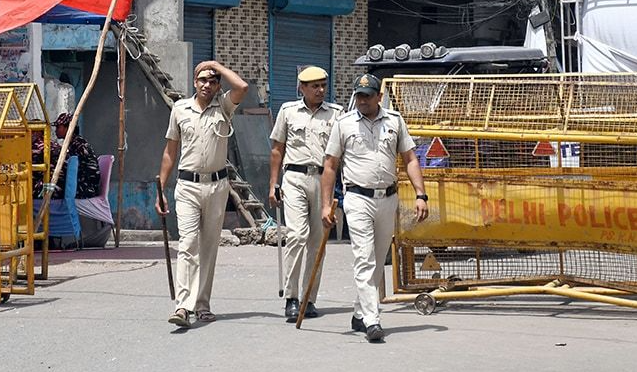
This image is just for illustration.
The arrest of former Director General of Health Services Dr. Vatsala Aggarwal by the Delhi government’s Anti-Corruption Branch on Saturday has intensified a high-stakes probe into an alleged multi-crore medical procurement scam. The case concerns large-scale financial irregularities in the purchase of medicines, surgical consumables and medical equipment through the Central Procurement Agency, which operates under the DGHS. According to officials, the alleged scam involves procurement worth several hundred crores of rupees and may have caused serious misuse of public funds.
This is not just another bureaucratic arrest. It raises uncomfortable questions about how essential health supplies were bought, who benefited, and whether public money meant for patient care was diverted through manipulated tender processes. In a sector where delays and shortages can affect real lives, yeh issue kaafi important hai because procurement corruption directly impacts hospitals, patients and trust in the system.
What the Case Is About
Officials say the investigation began after the Directorate of Vigilance flagged suspicious transactions and possible procedural violations in procurement under the DGHS. The ACB alleges that items such as portable X-ray machines, bed sheets, linen, C-arm radiological equipment, anesthesia workstations, oral rehydration solution, surgical consumables and medicines were purchased at highly inflated rates. NDTV has covered the full story.
The core allegation is that tender specifications were tailored to favor selected suppliers while excluding genuine bidders. If true, that would mean the process was not just inefficient but deliberately manipulated. In public procurement, even small distortions can create huge losses because purchases happen at scale. In this case, investigators say the misuse of public funds could run into hundreds of crores.
The arrest of Dr. Aggarwal comes shortly after the arrest of Dr. Vijay Kumar Ranga in the same case. Ranga was later sent to four days’ police custody by a Delhi court, indicating that investigators are treating the matter as a serious conspiracy rather than a minor procedural lapse. That detail matters because it suggests the probe is not limited to one official but may extend across a wider network.
How the Scam Allegedly Worked
According to the ACB, the alleged scam relied on a familiar but dangerous pattern. First, tender conditions were allegedly drafted in a way that narrowed competition. Then, selected suppliers could win contracts more easily because genuine bidders were either disqualified or discouraged. After that, goods were procured at inflated prices, causing a direct drain on public money.
This kind of procurement manipulation is especially damaging in healthcare because it can affect both cost and quality. If hospitals pay more than necessary for basic medical items, fewer resources remain for other needs. If specifications are altered to suit one vendor, the government may also lose the chance to buy the best available product at the best price. In simple words, corruption in procurement is not just about money—it can reduce service quality too.
Investigators are currently examining procurement records, tender files and related documents. That paper trail will be crucial. In corruption cases, files often reveal how decisions were made, who signed off on what, and whether procedural safeguards were ignored. The case may also uncover whether the same pattern was repeated across different items or procurement cycles.
Official Action So Far
The case was registered on June 2 under relevant provisions of the Prevention of Corruption Act and criminal conspiracy sections of the Bharatiya Nyaya Sanhita. Dr. Aggarwal had earlier been removed from the DGHS post on May 21 and placed under “awaiting posting” before being transferred to Guru Teg Bahadur Hospital. She was later suspended at the direction of Delhi Lieutenant Governor Taranjit Singh Sandhu to allow disciplinary proceedings to move forward.
Earlier in the day, the Delhi government also suspended five pharmacists and two CPA officials after an internal inquiry reportedly found serious irregularities in the procurement, storage and management of medicines at various agency stores. That is an important development because it shows the probe is not limited to senior leadership alone. Lower-level functionaries who handled stock, storage or distribution are also being examined.
Chief Minister Rekha Gupta has said her government maintains zero tolerance toward corruption and administrative negligence. She has also warned that strict action will follow against anyone found guilty. That statement reflects the political pressure around the case and the government’s need to show it is serious about accountability.
Background and Context
Public procurement in healthcare is one of the most sensitive parts of government administration. Hospitals depend on regular supplies of medicines, surgical items and equipment, and any weakness in procurement systems can have a direct effect on patient care. When the process is clean, it saves money and improves service. When it is not, the damage is both financial and human.
The Central Procurement Agency under the DGHS plays a major role in this system. That means any irregularity there can ripple across many hospitals and stores. If tendering is manipulated or storage is mishandled, the effects can be widespread. This is why such cases often attract not only legal scrutiny but also public anger.
The current investigation also fits into a wider pattern of Indian anti-corruption action, where agencies increasingly focus on documentary evidence, tender design and financial trails. That approach is important because modern procurement scams often happen through paper manipulation rather than dramatic cash transactions. It is a quieter form of corruption, but often much more expensive.
Timeline
May 21: Dr. Vatsala Aggarwal is removed from the DGHS post and placed under awaiting posting before being transferred to GTB Hospital.
June 2: The Anti-Corruption Branch registers a case under anti-corruption and criminal conspiracy provisions.
Before arrest: Directorate of Vigilance flags suspicious transactions and possible tender violations.
Earlier this week: Dr. Vijay Kumar Ranga was arrested in the same case and later sent to police custody.
Saturday: Dr. Aggarwal is arrested by the ACB.
Same day: Delhi government suspends five pharmacists and two CPA officials after an internal inquiry.
Now: Investigators continue examining records, files and supplier links.
Also Read: Delhi Govt Moves Against Fortis Hospital After Inquiry Flags Patient Care Lapses and Irregularities
Why This Matters
This matters because health procurement is about more than accounting—it is about access, trust and public safety. If a government agency is buying medical equipment and medicines at inflated rates, the losses are borne by taxpayers and, indirectly, by patients. That makes this a governance issue as much as a criminal one.
It also matters because procurement corruption can create a chain reaction. Money wasted on overpriced contracts means less money for other facilities, staffing or equipment. In a health system, that can affect diagnostic delays, stock shortages and service quality. Yeh problem kaafi serious hai because corruption in health care doesn’t stay on paper; it reaches real people in hospitals.
Another reason this case matters is that it tests whether anti-corruption enforcement works across ranks. If senior and junior officials alike are held accountable, it could send a strong message across the bureaucracy. If not, the public may see it as another case of symbolic action without lasting reform.
India Angle
For Indian readers, this case hits home because procurement scandals in health care affect everyone. Whether it is a district hospital, a city dispensary or a large government facility, the quality of medicines and equipment matters. In Hinglish, seedhi baat yeh hai: agar kharid mein gadbad hogi, toh treatment par bhi asar padega.
This story also reflects a broader Indian problem—how public systems can be vulnerable when tender rules are bent. Citizens often hear about corruption in big projects, but medical procurement is less visible and therefore more dangerous. It can silently affect lakhs of patients over time.
There is also a lesson for other Indian states and departments. Transparent procurement, e-tendering, independent audits and strong inventory controls are not optional. They are essential if governments want to prevent this kind of misuse.
Analysis
My view is that the real significance of the case lies in the procurement method, not just the arrest. Allegations of tailor-made specifications and manipulated tenders are especially serious because they suggest planning, not accident. That means the probe should look beyond individual blame and examine the system that allowed it to happen.
The suspension of multiple pharmacists and CPA officials is also important because it shows the government is widening the net. However, the public will expect more than suspensions. They will want a clear explanation of how contracts were awarded, what prices were paid and whether patients were affected by shortages or delays.
If the investigation is handled properly, this could become a textbook case for procurement reform. If it is not, it risks becoming another headline that fades without structural change. In cases like this, the quality of the follow-up matters as much as the arrest itself.
What Next
The next step is likely deeper scrutiny of tender files, vendor records and procurement pricing. Investigators will also want to identify the role of any private suppliers who may have benefited from the alleged irregularities.
If evidence continues to build, more arrests or departmental actions could follow. The case may also lead to a broader review of procurement practices across the health department and related agencies.
For the government, the political stakes are high. It will need to show that this is not selective action but a genuine clean-up effort. For the public, the most important outcome will be whether the system becomes more transparent and accountable after the probe.
Conclusion
The arrest of former DGHS chief Dr. Vatsala Aggarwal has pushed Delhi’s alleged multi-crore medical procurement scam into sharper focus. With the ACB probing inflated purchases, manipulated tender specifications and a possible conspiracy, the case now extends far beyond one official. It raises serious questions about how public health money is spent and whether the system protected patients or exploited them. The coming weeks will be crucial in showing whether this becomes a real anti-corruption breakthrough or just another file in a long list of government scandals.
Written By A. Jack