The peaceful demonstration highlighted growing public anger over alleged exam irregularities and calls for accountability in the education system. A doctor at the protest said the issue of the paper leak was “shameful” – an emotional burden the movement has taken on across classes and professions.
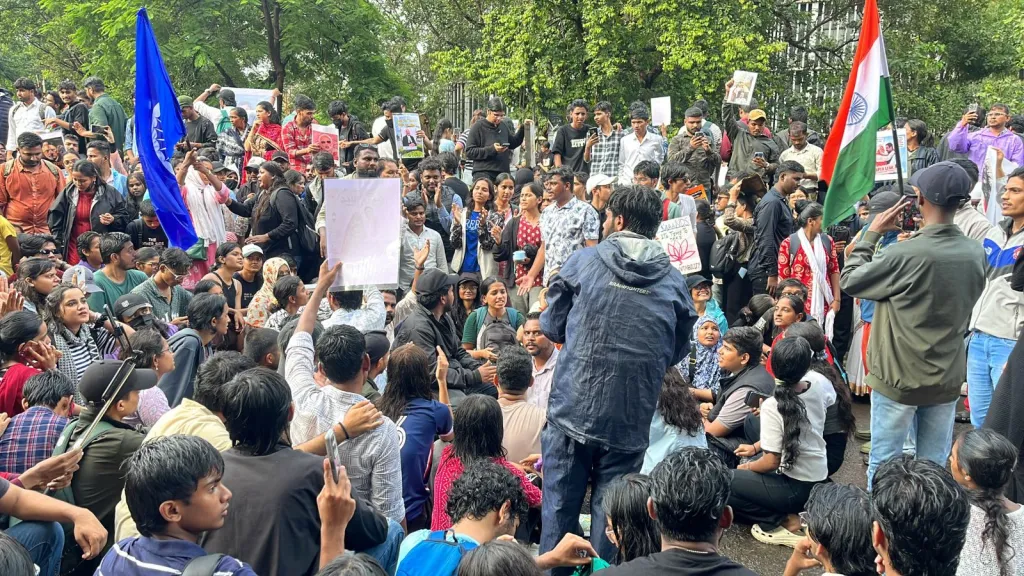
Thousands of protesters walk through Pune in the rain, marching peacefully from Shaniwar Wada and Lal Mahal to the Collector’s office in support of the CJP movement. Image Credit: IndianExpress
Thousands of citizens took to the streets of Pune on Friday, July 25, 2026, in a major show of support for the Cockroach Janta Party’s protest campaign over alleged exam-related irregularities and education reform demands. The march began at Shaniwar Wada and Lal Mahal and ended at the District Collector’s office, drawing an unusually diverse crowd that included students, lawyers, doctors, filmmakers and professionals.
What made the event stand out was not only its size but also its discipline. Despite the rain and the large turnout, there was no chaos, no disruption to public order and no sloganeering that crossed the line. That combination of scale and restraint gave the Pune march a distinct identity within the wider CJP protest wave.
What Happened
The Pune march was part of a wider campaign supporting CJP’s demands for accountability in the education system and action over alleged paper leaks. Protesters gathered at historic landmarks like Shaniwar Wada and Lal Mahal before marching peacefully to the Collector’s office, turning the route into a symbolic public demonstration rather than a confrontational street protest. This story was also covered by The IndianExpress.
Reports from the ground say the crowd included people from every walk of life, which is significant because it shows the issue has moved beyond a narrow student-only concern. Students were present, but so were doctors, lawyers and other professionals who viewed the paper leak issue as an attack on merit, fairness and trust in public examinations.
One of the clearest voices at the protest came from Sonali Talavlikar, a doctor and educationist, who said, “I’m an educationist because I teach in multiple education institutes, including a medical college and such a paper leak is shameful.” Her remark captured why many in Pune saw the protest as a moral issue rather than just a political one.
Why the Crowd Grew
The large turnout in Pune reflects how strongly exam-related scandals can resonate in India, especially in a city like Pune with a large student population and a strong education culture. When people feel the examination system is compromised, the anger spreads quickly because it affects not only current candidates but also families, teachers and institutions that depend on trust in merit.
The protest also grew because the CJP campaign has been framed as a broader youth and accountability movement, not just a one-day political event. That framing matters. It allows students, parents and working professionals to see themselves in the cause, which is why the march drew participation beyond the usual activist circles.
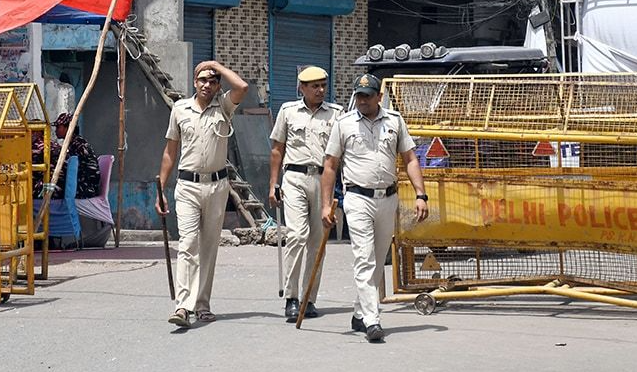
There was also a clear emotional context. The protests in Delhi and other cities had already seen stricter police action, detentions and allegations of excessive force, so Pune became a space where supporters could gather without fear of confrontation. In that sense, the city’s calm and orderly response gave the movement a constructive, civic tone.
Quotes and Statements
The most direct statement came from Sonali Talavlikar, who said the paper leak was “shameful” because she works in multiple educational institutions, including a medical college. Her view is important because it reflects a professional concern, not just a political one.
CJP organisers also said the march was meant to ensure that the voices of students are not ignored and that meaningful reforms are introduced to restore confidence in the system. In a separate account of the Pune protests, organisers said the agitation would continue until accountability was fixed, showing that the march was designed as part of a longer campaign, not just a symbolic rally.
One of the strongest local reactions was that the protest felt disciplined and purposeful. Reports noted there was no chaos and no disruption to public order, which helped the movement project maturity and seriousness. That is politically useful for CJP because peaceful public order strengthens the moral force of the protest message.
Also Read: UP Police Raid Jantar Mantar Volunteer Mohd Junaid’s Home, Family Members Reportedly Detained
Background
This Pune march is part of a larger wave of student and civic protests tied to allegations of exam irregularities, including the NEET paper leak controversy. Across India, the issue has stirred anger because it directly affects the futures of lakhs of students who prepare for competitive exams with enormous pressure and personal sacrifice.
Pune had already seen earlier demonstrations in support of CJP’s campaign, including protests that gathered thousands and remained peaceful despite intermittent rain. Those earlier rallies built momentum and made the city an important stop in the protest map.
The campaign has also been linked to the demand for Union Education Minister Dharmendra Pradhan’s resignation, making it a direct challenge to the government’s handling of the issue. That political layer gives the protest broader national relevance, even though the march itself was rooted in local civic action.
Timeline
June 2026: CJP launches a nationwide protest campaign focused on education accountability and exam leak concerns.
July 20, 2026: Earlier protests intensify after police action in Delhi.
July 24, 2026: Thousands of youths and citizens march in Pune in support of CJP, demanding accountability and reform.
July 25, 2026: Reports highlight the peaceful character and broad participation of the Pune march.
Also Read: “Shards Stuck To Skin”: Safdarjung Hospital Report Deepens Pellet Gun Row at CJP Protest
Why This Matters
This matters because it shows that education-related protests are no longer limited to campuses or student unions. When doctors, lawyers, filmmakers and corporate professionals join a march, the issue becomes a wider social concern. That makes the conversation much bigger than one examination or one minister.
It also matters because the Pune protest demonstrates that large-scale mobilisation does not have to lead to disorder. In a period when protests are often portrayed as violent or destabilising, this march showed that people can express anger, demand accountability and still remain peaceful. Yeh issue kaafi important hai because it proves that democratic protest can be disciplined and still powerful.
For students and parents, the impact is deeply personal. Exam integrity is tied to career dreams, financial sacrifice and family hopes, so any suspicion of leaks or irregularities creates fear and frustration. This is not just a policy issue; it is about trust in the system that shapes futures.
India Angle
For Indian readers, the Pune march matters because it reflects a growing nationwide mood among young people who want fairness in education. In simple Hinglish, seedhi baat yeh hai: jab exam hi fair na ho, toh mehnat ka kya hoga? That is the question at the heart of this movement.
Pune is especially relevant because it is one of India’s biggest education hubs. A protest here naturally carries weight, since the city represents a large student community and a professional class that understands how important merit-based systems are.
The city’s peaceful response also matters for the national image of protest. It shows that civic participation can be serious, organised and non-violent, which is a message many Indians will appreciate in a climate where public debate often becomes polarised.
Analysis
My opinion is that the peaceful nature of this protest is the real story. Large crowds are common in Indian politics, but disciplined crowds are far more persuasive because they reduce the risk of the movement being dismissed as unruly or partisan. Pune gave CJP something valuable here: legitimacy through order.
I also think the participation of professionals is important because it broadens the movement’s social base. When a doctor says a paper leak is shameful, the protest stops being a single-issue student rally and becomes a cross-sector call for institutional integrity. That is a powerful narrative and one that will likely keep drawing attention.
What Next
The next step is likely to be more city-level rallies and continued pressure from the CJP campaign as it pushes for accountability and reform. Pune’s turnout may encourage organisers to keep the momentum going in other cities, especially where education concerns are strong and student networks are active.
Politically, the government will have to decide whether to treat these gatherings as a short-lived agitation or as a lasting public concern. If the protests keep growing and remain peaceful, they may become harder to ignore. That could influence the next phase of the debate over exam reforms and ministerial responsibility.
For the public, the key question is whether the energy in Pune turns into sustained civic pressure or remains a powerful but isolated moment. The answer will depend on how organisers, students and professionals carry the movement forward in the coming days.
Conclusion
The Pune march in support of CJP was notable not just for its size but also for its calm, disciplined and cross-class participation. Thousands walked through the rain from Shaniwar Wada and Lal Mahal to the Collector’s office, showing that anger over exam irregularities can be expressed with order and seriousness.
For a city known for its educational culture, the protest sent a clear message: students and professionals alike want a fair system, and they are willing to stand together for it. In that sense, the Pune march was not just a demonstration; it was a public statement about the future of education in India.
Written By A. Jack