SpiceJet attributed the delay to the late arrival of the aircraft from Dubai because of air-traffic-control congestion, but passengers questioned why no refreshments were arranged during the delay.
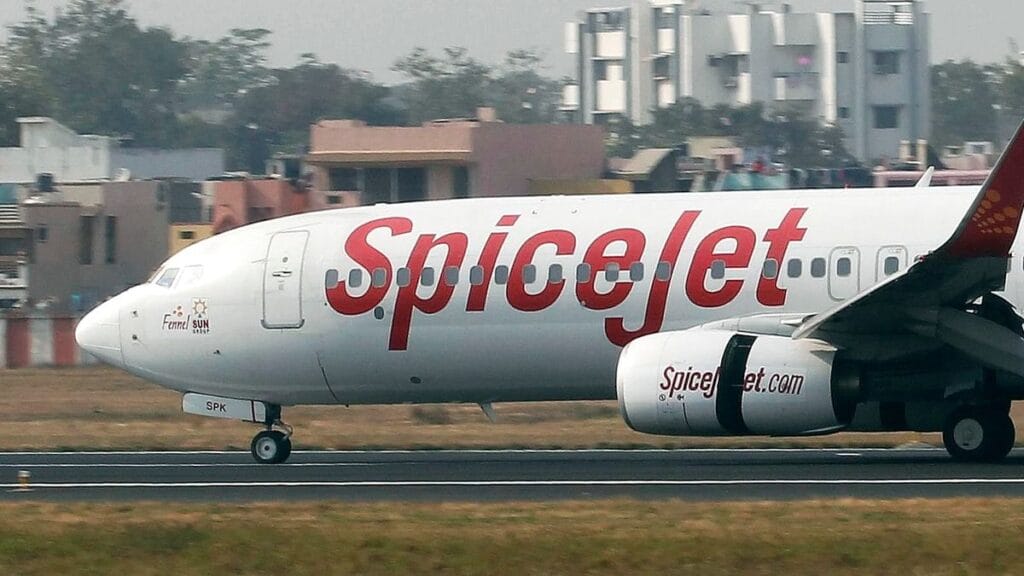
This image is only for illustrations only.
A routine early-morning journey from Pune to Delhi turned into an uncomfortable experience for passengers on SpiceJet flight SG-937 after repeated delays left flyers waiting for several hours without refreshments. The flight was scheduled to depart Pune at 5:55 am on August 3, but the departure time was changed multiple times before the aircraft eventually took off at around 8:30 am. It landed in Delhi at approximately 10:30 am.
Passengers said the airline did not provide food, tea, coffee or other beverages during the delay. The issue was particularly concerning for elderly travellers and passengers with diabetes, high blood pressure and other medical conditions, who may need regular meals, water or medication with food.
Maharashtra Congress general secretary Amir Shaikh, who was travelling on the flight, said he had never experienced a similar situation on an early-morning service. SpiceJet later attributed the delay to the late arrival of the incoming aircraft from Dubai, whose previous rotation had been affected by air-traffic-control congestion at Dubai airport. However, the airline did not specifically address the complaint about the absence of in-flight refreshments.
What happened on flight SG-937?
According to passengers, the flight was initially delayed from 5:55 am to 7 am and then to 7:45 am. Travellers boarded the aircraft around the revised time, expecting the plane to depart shortly afterwards. However, the aircraft remained on the ground for additional time before finally taking off at around 8:30 am.
Amir Shaikh said he asked a cabin crew member whether food would be served after boarding. He was reportedly assured that refreshments would be provided. However, according to his account, no food or beverages were served. This story was also covered by The IndianExpress.
“When I later enquired with another cabin crew member, I was told that there was no food or beverages available on board, not even for the pilots,” Shaikh said.
He further claimed that he later saw food being taken into the cockpit. When he asked about it, he was allegedly told that the pilot had brought his own food.
The passengers eventually reached Delhi at approximately 10:30 am, but several remained hungry throughout the journey. For people who had arrived at Pune airport before dawn, the lack of basic refreshments added to the stress caused by the delay.
Yeh issue kaafi important hai because passengers do not expect luxury during a delay, but they do expect basic care, clear communication and reasonable access to food and water.
Why the flight was delayed
SpiceJet attributed the delay to the late arrival of the incoming aircraft from Dubai. According to the airline, the previous departure of the aircraft had been affected by air-traffic-control congestion at Dubai airport, which created a knock-on delay for the subsequent Pune-Delhi service.
“On August 3, 2026, SpiceJet flight SG-937 scheduled to operate from Pune to Delhi was delayed due to the late arrival of the incoming aircraft from Dubai,” a SpiceJet spokesperson said. “The scheduled departure of the aircraft in its previous rotation was impacted due to ATC congestion at Dubai. We deeply regret the inconvenience caused to the passengers.”
Aircraft rotation delays are common in commercial aviation. Airlines frequently use the same aircraft for several flights in succession, meaning a delay at one airport can affect flights later in the aircraft’s schedule. Air-traffic-control restrictions, weather, runway congestion and operational constraints can all contribute to such delays.
However, an operational explanation does not automatically resolve questions about passenger care. Once the delay became prolonged and passengers had boarded, the airline needed to ensure that communication and basic refreshments were handled appropriately.
What passengers said
Shaikh said early-morning passengers often board flights without having breakfast because they expect to eat during the journey. “I am a frequent flyer and often travel between Pune and Delhi, but I have never experienced a situation where a flight had no food, refreshments or even beverages, especially on an early-morning service,” he said.
He added that the situation created particular difficulties for elderly travellers and people living with diabetes, high blood pressure and other ailments.
“At the very least, tea or coffee should have been arranged. Many passengers remained hungry until they reached Delhi,” he said.
Shaikh also argued that airlines operating early-morning flights should maintain a basic supply of food and beverages, especially when delays are known before departure.
The account has not been independently verified for every passenger on board. SpiceJet’s response addressed the reason for the delay but did not comment on whether food or beverages were available, whether passengers were offered vouchers or whether the airline followed its passenger-care procedures.
Passenger-rights question
The episode also raises questions about airline obligations during delays. SpiceJet’s published passenger-rights information says that passengers who have checked in on time and whose flight is delayed may be entitled to reasonable refreshments. Its listed provisions include drinking water for delays of up to two hours, tea, coffee and light snacks for delays of two to four hours, and meals for delays exceeding four hours.
The same guidance refers to facilities being provided based on the delay period and the circumstances of the disruption. In this case, the scheduled departure was at 5:55 am, and the plane departed at approximately 8:30 am, creating a delay of around two and a half hours. That places the reported delay within the category where tea, coffee and light refreshments may ordinarily be expected under the airline’s published policy.
The exact application of passenger-rights rules can depend on factors such as whether passengers were informed before reaching the airport, whether the delay was formally revised, whether passengers had boarded and whether the delay occurred before or after check-in. Those details may need to be examined by the airline and aviation regulator.
Background and context
Flight SG-937 is an early-morning Pune-Delhi service used by business travellers, students, patients, families and people connecting to other domestic and international flights. Its early departure time makes punctuality especially important because travellers often choose the service to reach Delhi before the working day begins.
The flight has faced delays on previous occasions, according to media reports. In one earlier incident, passengers on the same route were reportedly delayed for several hours because of operational issues. These repeated disruptions have increased scrutiny of the airline’s communication and contingency arrangements.
Flight delays can have a cascading effect on travellers. Passengers may miss connecting flights, medical appointments, office meetings, court appearances or train bookings. For older travellers, long waits without suitable seating, food or water can be more than an inconvenience.
Airlines also face operational pressures. Maintaining catering supplies on every flight can be complicated when the aircraft arrives late from another country or when the route is operated by a small aircraft. But from a passenger’s perspective, those operational challenges do not remove the need for basic assistance.
Timeline
5:55 am: SpiceJet flight SG-937 scheduled to depart from Pune.
Around 7 am: Passengers informed of the first revised departure time.
Around 7:45 am: Departure delayed again; passengers board the aircraft.
Before 8:30 am: The Aircraft remains on the ground; passengers reportedly receive no food or beverages.
Around 8:30 am: Flight finally departs Pune.
Around 10:30 am: The Aircraft lands in Delhi.
After the complaints: SpiceJet attributes the delay to the late arrival of the incoming aircraft from Dubai due to ATC congestion.
Also Read: 12 Injured Amid Turbulence on Phuket-Delhi Air India Flight AI2379
Why This Matters
This matters because airline delays are not only about time. They can affect passenger health, dignity and safety, particularly when travellers are confined to an aircraft or waiting at an airport for hours.
For passengers with diabetes, hypertension or other conditions, missing a meal can cause discomfort or medical complications. Elderly travellers may also require water, light food and assistance during prolonged waiting periods. Families travelling with children face similar difficulties.
It also matters for consumer rights. Passengers pay not only for transportation but also for basic service standards. If an airline’s published policy promises refreshments during certain delays, travellers should know how to claim those facilities, and airlines should explain when exceptions apply.
For SpiceJet, the issue is also one of reputation. A delay caused by another airport may be understandable, but failing to communicate clearly or arrange basic refreshments can make passengers feel ignored. In simple Hinglish, delay kabhi-kabhi unavoidable hota hai, lekin passenger care avoid nahi karni chahiye.
India angle
For Indian travellers, this incident reflects a broader problem in domestic aviation: delays are common, but passenger communication and assistance can vary widely between airlines and airports.
India’s aviation sector has expanded rapidly, with more people flying for work, education, medical treatment and family travel. As air travel becomes more accessible, passengers are also becoming more aware of their rights and more willing to report poor service on social media.
The incident is especially relevant for Pune, a major education, technology and manufacturing hub. The Pune-Delhi route connects the city to government offices, corporate centres, hospitals and international travel networks. A delay on an early-morning flight can affect hundreds of onwards plans.
The issue may also attract the attention of aviation regulators. If complaints of inadequate refreshments during delays become frequent, the Directorate General of Civil Aviation may seek data on how airlines implement passenger-care rules.
Analysis
SpiceJet’s explanation about the late arrival from Dubai is operationally plausible. The delay at Dubai airport may have been outside the airline’s direct control. But that does not fully answer the question of what happened after passengers boarded at Pune.
In my view, the airline should clarify whether water, tea, coffee, snacks or meal vouchers were offered, and if not, why. A transparent explanation would be better than leaving passengers and the public to rely on conflicting accounts.
Airlines should also have a clear contingency system for early-morning delays. If a flight is likely to be delayed beyond breakfast hours, passengers should be offered refreshments either at the terminal or onboard. Special assistance should be available for elderly passengers and those who disclose medical needs.
What Next
The immediate next step will be for SpiceJet to review the crew report, catering log and passenger-service records for flight SG-937. The airline may also examine whether food had been loaded onto the aircraft and whether the delay crossed the threshold for refreshments under its published policy.
Passengers who believe their rights were not honoured can submit formal complaints to the airline and, if necessary, approach the aviation regulator or consumer forums. Any compensation or reimbursement would depend on the applicable rules and the evidence available.
SpiceJet may also need to clarify how it handles delayed aircraft arriving from international sectors. A stronger system could include standby refreshments at Pune airport, automatic meal vouchers after a specified delay and improved announcements to passengers.
Long term, airlines will need to focus not only on punctuality but also on delay management. A flight may be delayed for reasons beyond the carrier’s control, but the passenger experience during the delay remains the airline’s responsibility.
Conclusion
Passengers on SpiceJet flight SG-937 from Pune to Delhi have alleged that they were left without food or beverages after repeated delays pushed the morning departure from 5:55 am to around 8:30 am. The airline attributed the disruption to the late arrival of the incoming aircraft from Dubai because of ATC congestion, but it did not directly address the complaints about refreshments.
The incident highlights an important distinction in air travel: operational delays may be unavoidable, but poor communication and inadequate passenger care are not. SpiceJet’s own published guidance refers to refreshments for eligible passengers during delays, making a clear explanation particularly important.
For travellers, the episode is a reminder to know their rights and report deficiencies. For airlines, it is a reminder that passengers judge a delay not only by how late they arrive but also by how they are treated while waiting.
Written By A. Jack