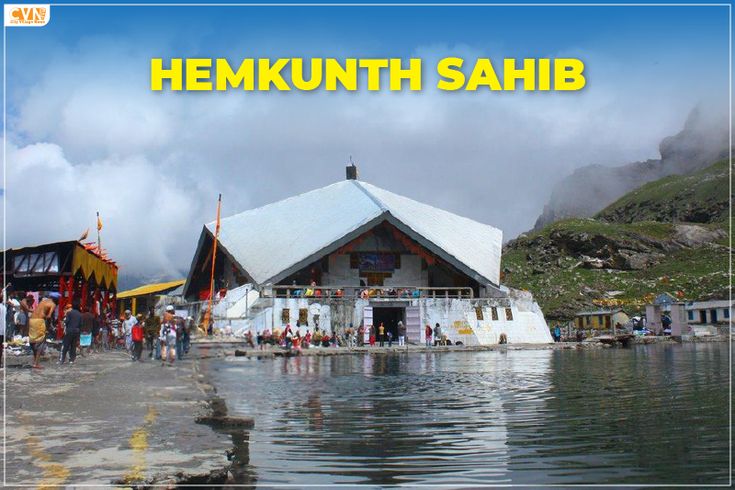
Relentless uttarakhand monsoon rainfall has disrupted normal life across Uttarakhand, forcing the closure of 118 roads, damaging key highways, and prompting the India Meteorological Department (IMD) to issue Red and Orange Alerts for several districts.
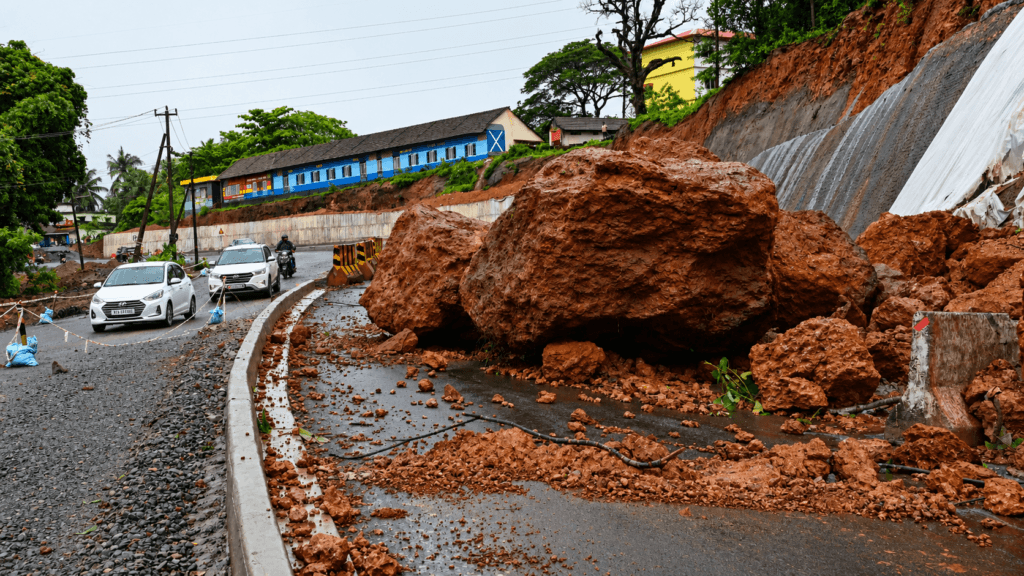
Landslide debris blocks a mountain road in Uttarakhand as heavy monsoon rains continue to trigger road closures and disrupt traffic across the Himalayan state.
Uttarakhand is once again bearing the brunt of the southwest monsoon with continuous heavy rains causing landslides, swollen rivers, road closures and travel disruptions in many districts. The India Meteorological Department (IMD) has issued Red and Orange Alerts for several parts of the state warning residents and tourists against extremely heavy rainfall, flash floods and landslides in the coming few days.
Latest official information available shows that in Uttarakhand there are still close to 118 roads closed due to debris from landslides, falling rocks and damaged road surfaces. The worst affected districts include Rudraprayag, where 22 roads have been blocked; Dehradun, with 21; Chamoli, with 16; Nainital, with 13 and Pithoragarh, with 12. Officials are working 24/7 to restore connectivity, but incessant rains are hampering clearance operations.
The monsoon has also impacted two of the most important pilgrimage routes in Uttarakhand. Traffic on the Gangotri National Highway was halted briefly after a landslide near Nalupani dumped a large amount of debris on the road. Meanwhile, another landslide on Thursday evening, triggered by continuing rains, extensively damaged a nearly 100-meter stretch of Yamunotri National Highway near Syanachatti.
Officials are advising people to avoid unnecessary travel, particularly in areas prone to landslides, with rivers already running above normal levels and more rain predicted over the next few days.
Why Uttarakhand Is Facing Severe Monsoon Conditions
Uttarakhand’s unique Himalayan geography makes it one of the most vulnerable states of India during the monsoon. Steep mountain slopes, fragile geology, narrow valleys and fast-flowing rivers provide the perfect conditions for landslides whenever there is prolonged rainfall.
The southwest monsoon brings moisture-laden winds from the Arabian Sea and the Bay of Bengal over northern India. They are quickly uplifted when they hit the mountain ranges of the Himalayas and dump torrential rain. This process is known as orographic rainfall and often leads to very heavy rain in a short period.
The constant rain soaks the ground and weakens the soil’s ability to hold together. Water that seeps deep into the slopes of mountains can cause loose rocks and soil to collapse, triggering landslides that block highways, damage infrastructure and at times, cut off entire villages.
This year too, the pattern has been similar, with many districts witnessing continuous rainy days. This has made several roads impassable and rivers continue to rise dangerously.
Road Closures Across the State
The monsoon’s effect can be seen on Uttarakhand’s roads network.
Official reports said 118 roads were still blocked by landslide debris and damaged road surfaces. Rudraprayag district has the maximum number of closures with 22 blocked roads, followed by Dehradun with 21 blocked roads. There are 16 road closures in Chamoli and 13 in Nainital, while Pithoragarh has recorded 12 blocked routes.
Smaller roads in the district have also been affected and local residents’ daily lives have been disturbed.
Road restoration teams of the Public Works Dept., Border Roads Organisation and district administrations are working with heavy machinery to clear the debris. But new landslides are triggered by intermittent rains, making restoration efforts very difficult.
Officials have said whether roads will be reopened will depend entirely on weather and public safety.
Gangotri and Yamunotri Highways Hit by Landslides
One of the most serious disruptions is on the routes leading to the Char Dham pilgrimage in Uttarakhand.
A landslide in the Nalupani area on the Gangotri National Highway briefly blocked traffic as boulders and debris fell on the road. Emergency teams managed to restore limited movement after clearance operations but the stretch continues to be monitored by the authorities, as fresh landslides can be triggered by more rainfall.
The damage to the Yamunotri National Highway is even more severe.
The highway collapsed in a nearly 100-meter section after a hillside near Syanachatti weakened due to continuous rainfall. The damaged stretch has badly affected connectivity to the Yamunotri shrine, one of the four holy destinations included in the Char Dham Yatra.
Authorities are also finding out what repairs are needed and at the same time making sure pilgrims and local residents are safe.
Rivers Continue to Swell
Continuous rain has led to a rise in the water level in several rivers flowing through Uttarakhand.
Officials have not reported widespread flooding in all districts but rising river levels remain a major concern. It is a combination of fast-flowing rivers and unstable mountain slopes that considerably raises the likelihood of flash floods, especially in narrow valleys.
Officials of the disaster management authority are still monitoring the vulnerable places and have urged people living near riverbanks to stay alert to the changing water levels.
Hydrological monitoring stations also monitor rainfall and river discharge rates to provide timely alerts when necessary.
IMD Issues Red and Orange Alerts
The India Meteorological Department has issued Red Alerts for districts likely to receive extremely heavy rainfall and Orange Alerts for districts likely to receive heavy to very heavy rain.
The warnings indicate an increased likelihood of landslides, flash floods, waterlogging, and disruption to transport.
District administrations have been asked to ensure that educational institutions, local authorities, disaster response teams and emergency services are fully prepared for any weather-related emergencies.
Residents have also been advised to avoid traveling through mountainous areas unless absolutely essential and to stay up-to-date with official weather bulletins.
Rescue and Emergency Preparedness
The state disaster management authorities are on high alert.
Teams of the State Disaster Response Force (SDRF), National Disaster Response Force (NDRF), police and district administrations have been deployed in vulnerable districts for prompt response in case of any emergency situation.
Heavy earth-moving equipment has been deployed near roads vulnerable to landslides to clear debris as soon as weather conditions permit.
Local administrations in remote villages, which could face access problems if rainfall intensifies further, have also been engaged more in communication with the officials.
Flood-prone areas remain on standby for emergency shelters in case of evacuation.
Background: Uttarakhand’s Annual Monsoon Challenge
Every monsoon brings a new challenge in the mountainous terrain of Uttarakhand.
The state has been ravaged by several devastating natural calamities in the last two decades, including catastrophic floods, cloudbursts and landslides, which caused huge loss of life and property.
The 2013 Kedarnath tragedy is one of the most devastating natural disasters in India, demonstrating the vulnerability of Himalayan ecosystems to extreme weather conditions.
Since then, authorities have vastly improved disaster preparedness, early warning systems, forecasting of the weather and emergency response capabilities. “But the chances of heavy rainfall with long duration are still quite high every year.
The fragile Himalayan region is experiencing rapid infrastructure development, increasing tourism, road expansion projects and environmental changes that have led to intensified discussions on the balance between development and ecological sustainability.
Timeline of the Current Weather Situation
Heavy monsoon rain has increased across Uttarakhand over the past several days, raising the risk for landslides and flooding. Persistent rains caused a landslide on Thursday night, damaging a 100-meter stretch of Yamunotri National Highway near Syanachatti. Around this time, debris from a second landslide blocked traffic for a short period on the Gangotri National Highway near Nalupani. By Friday morning, officials said 118 roads statewide were closed because of rocks and debris falling on them. Issuing Red and Orange Alerts for some districts, the India Meteorological Department has advised people to take care due to deteriorating weather conditions and warned of heavy rainfall.
Why This Matters
This is not just a temporary travel inconvenience given the current weather situation.
Uttarakhand is a strategic Himalayan state, an important pilgrimage destination and a tourism hub. Every year, millions of pilgrims visit the Char Dham shrines, and thousands of tourists traverse mountain highways.
Local business, tourism, transportation, access to emergency health care and supply chains for remote villages are all directly impacted by road closures.
Too much rain can also damage crops, erode soil and reduce agricultural productivity, creating uncertainty for farmers.
This is a very important issue as the Himalayan regions are facing increased frequency of climate-related disasters and need better planning, resilient infrastructure and better environmental conservation.
India Angle
The monsoon situation in Uttarakhand is of national importance to India.
The Char Dham Yatra attracts pilgrims from all states and any disruption in travel affects visitors from different parts of the country.
The Himalayan ecosystem is critical to India’s water security as well. Rivers that start in Uttarakhand provide agriculture, drinking water and hydroelectric power to northern India.
Disaster preparedness is becoming all the more critical as experts warn that changes in climate patterns could lead to heavier rainfall events in mountainous areas.
Today’s situation is a reminder that in the development of infrastructure in sensitive ecological zones, environmental sustainability must be given equal importance along with economic growth.
Analysis
From an editorial point of view, Uttarakhand’s current monsoon emergency is a perennial problem that needs long-term solutions rather than seasonal ones.
State authorities have made great progress in emergency preparedness since past disasters, but the road collapses and landslides keep happening, showing that there is still a lot of work to do to make infrastructure more resilient.
Also read:Delhi-NCR Rain Alert: Heavy Monsoon Showers Trigger Waterlogging as IMD Issues Orange Warning
Modern weather prediction has made it possible for earlier alerts to prepare rescue teams ahead of time. However, it is always better to prevent than to react.
Better stabilization, scientific road construction, afforestation, better drainage systems and stricter land-use planning could significantly reduce future monsoon-related disruptions.
It is equally important for an SEO news writer to not sensationalize weather events as it is to accurately reflect the seriousness of official warnings. Weather reports are most useful to readers when they include both scientific explanations and practical safety information.
What Happens Next?
Weather forecasts say heavy rainfall will continue in several districts for the next 48 to 72 hours.
“Authorities will continue to monitor vulnerable roads, bridges, rivers and landslide-prone areas and deploy additional machinery where needed.
Crews will continue working to clear blocked roads when weather conditions permit, but fresh rainfall could slow efforts to reopen roads.
Those going for a pilgrimage to Gangotri or Yamunotri are advised to check the official travel advisories before starting their journey.
Local residents living near rivers and unstable mountain slopes should remain alert and follow any evacuation instructions from local authorities.
The India Meteorological Department will keep updating the weather warnings as the active phase of the southwest monsoon continues to change the pattern of rainfall. The story also covered by NDTV
Conclusion:
Uttarakhand is back to the grip of relentless rains, bringing back the harsh reality of the Himalayan monsoon with several districts facing landslides, road blocks, damaged highways and swollen rivers. Continuous rainfall has caused the closure of 118 roads and disruption on Gangotri and Yamunotri National Highways, showing its huge impact on transportation, tourism and daily life in the state.
The India Meteorological Department has issued Red and Orange Alerts, which shows the gravity of the situation and advises residents, pilgrims and tourists to be alert. Emergency crews continue restoration and rescue preparedness, but the next few days will be crucial, with new rain potentially triggering more landslides.
The annual monsoon challenges witnessed in Uttarakhand only serve to highlight the need for more robust infrastructure, better environmental management and greater disaster resilience. Protecting life and connectivity in the fragile Himalayan region must remain a national priority in the long run.